


Ancient City of Eleftherna
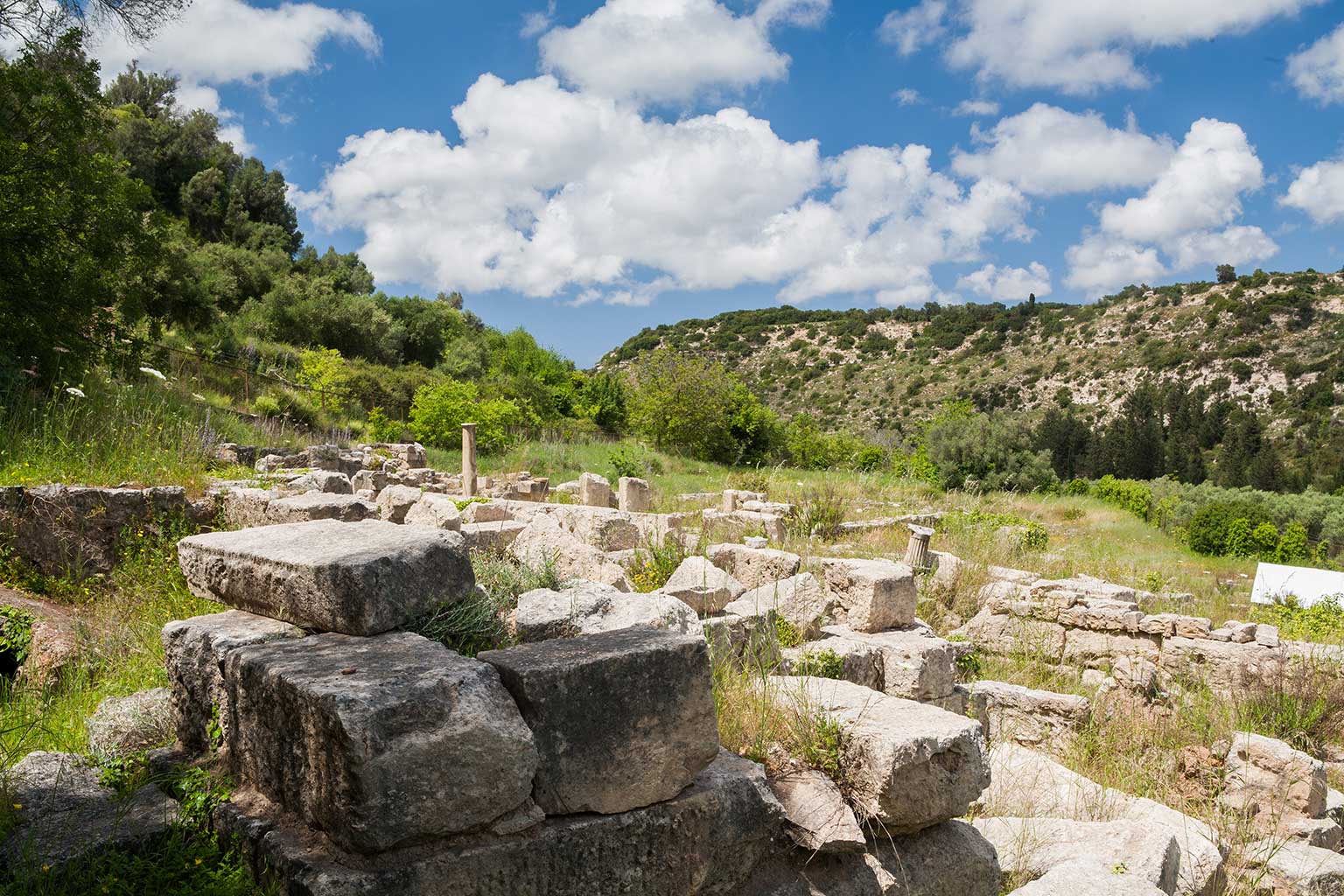
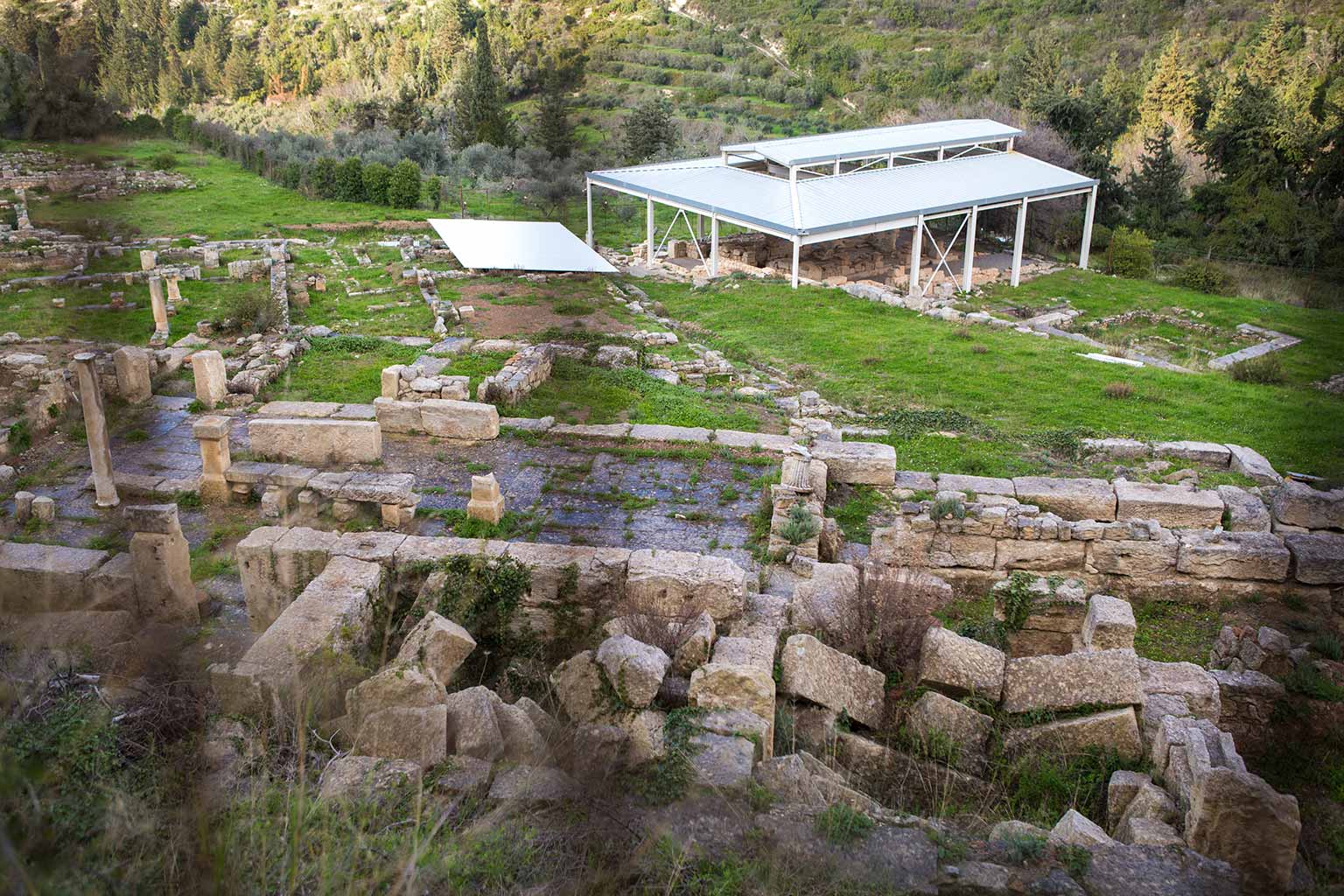
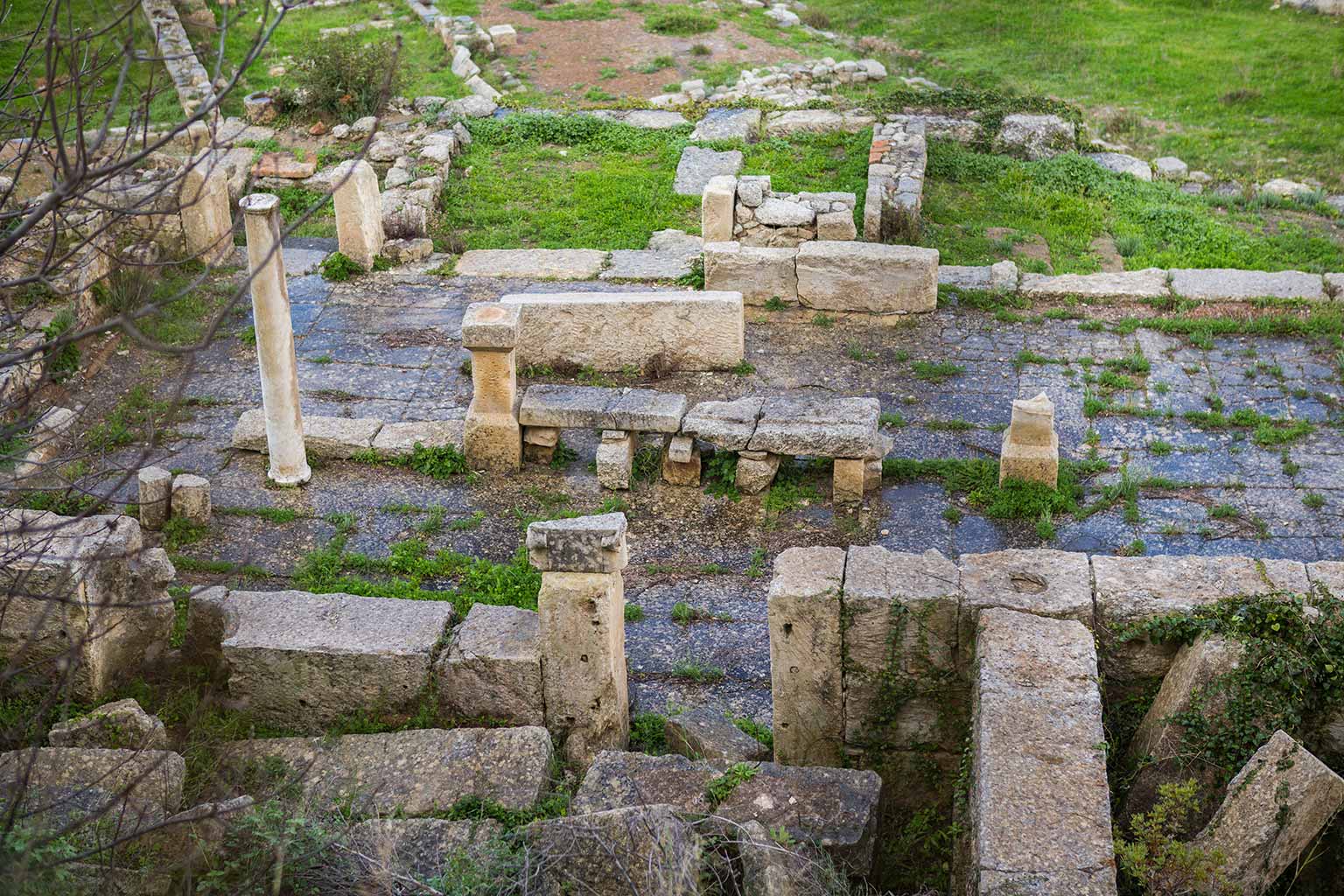
On the northwest slopes of Mount Ida (Psiloritis), where eagles nest and the cradle of the greatest of the gods, Cretan-born Zeus, stood, the ancient wind still blows secretly whispering the foundation and acme of a uniquely revealed ancient city, Eleftherna. The site resembles a vast stone ship pointing its prow towards the northwest, moored among the ineffable green of olive trees, vines, kermes oaks, carob trees, and styrax shrubs.
According to tradition, the city was named after Eleftheras, one of the Kouretes, who protected the infant Zeus by beating upon their bronze shields thus preventing his father Cronus from hearing his cries and devouring him.
Current archaeological evidence shows that, Eleftherna was one of Crete’s most important ancient cities, a capital city of the Geometric and Archaic periods – that is, the periods when the Homeric poems were disseminated and recorded in writing. The city minted its own coins in the fourth century BC. In the third century BC, Eleftherna fought against Rhodes and its ally Knossos. In 220 BC, when the Cretan cities fought against each other, Eleftherna sided with Knossos, but a siege forced it to break the alliance. In 68 BC, when the Roman general Metellus attacked Eleftherna, the city managed to resist for some time because of its fortified location, but was finally conquered through treason.
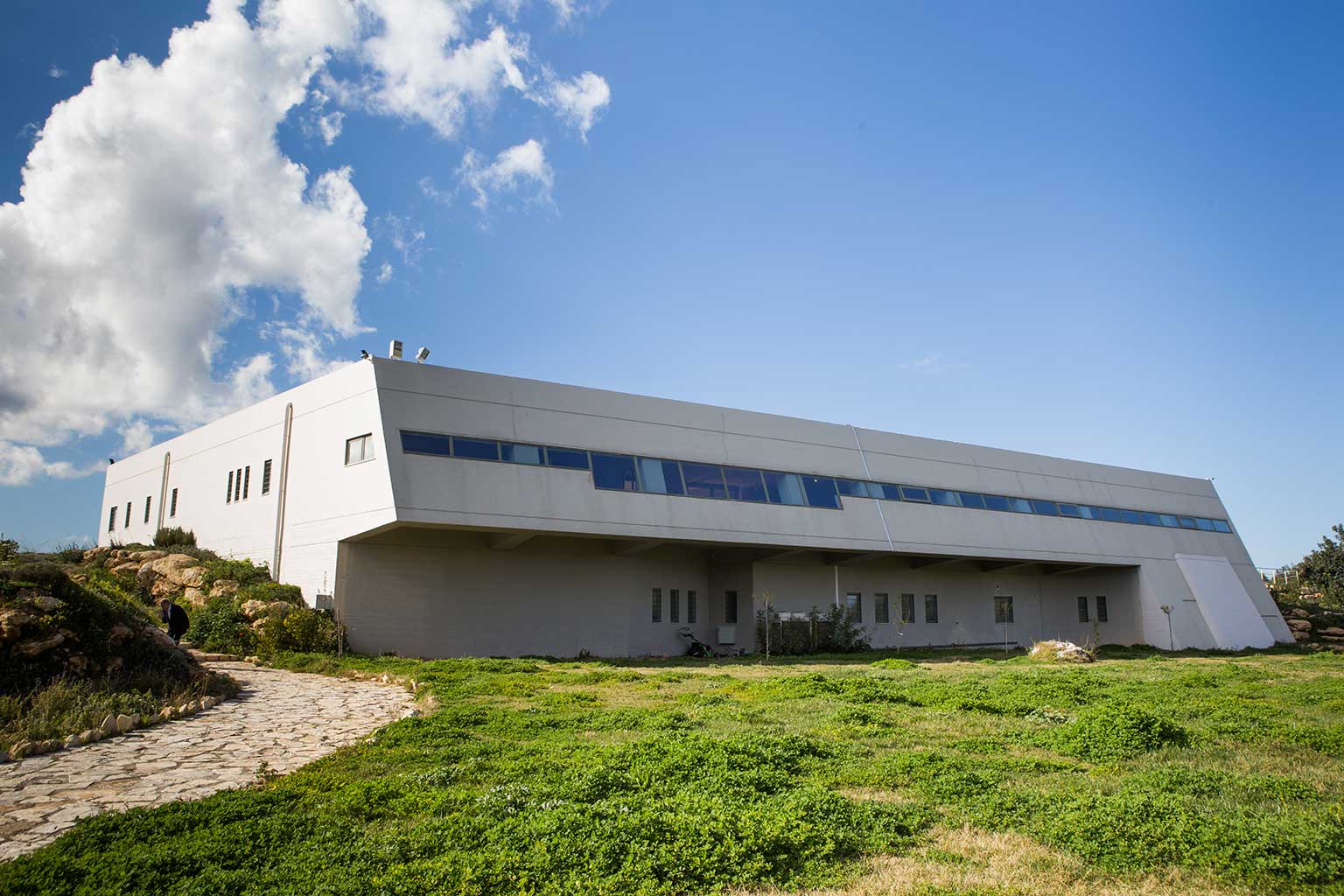
The Museum of ancient Eleftherna – Homer in Crete, the first archaeological site museum in Crete, although smaller in size, is similar to those of Olympia, Delphi, and Vergina. The museum was created to house the results of the excavations carried out for thirty years in the ancient city of Eleftherna. The originality of this museum is that the objects of the permanent exhibition will be updated
periodically with new and older finds, so that the public’s interest is continuous and relates to the discoveries and expansion of the excavation work on the site. The exhibition will be accompanied by original and modern audiovisual exhibits.
Preveli Monastery
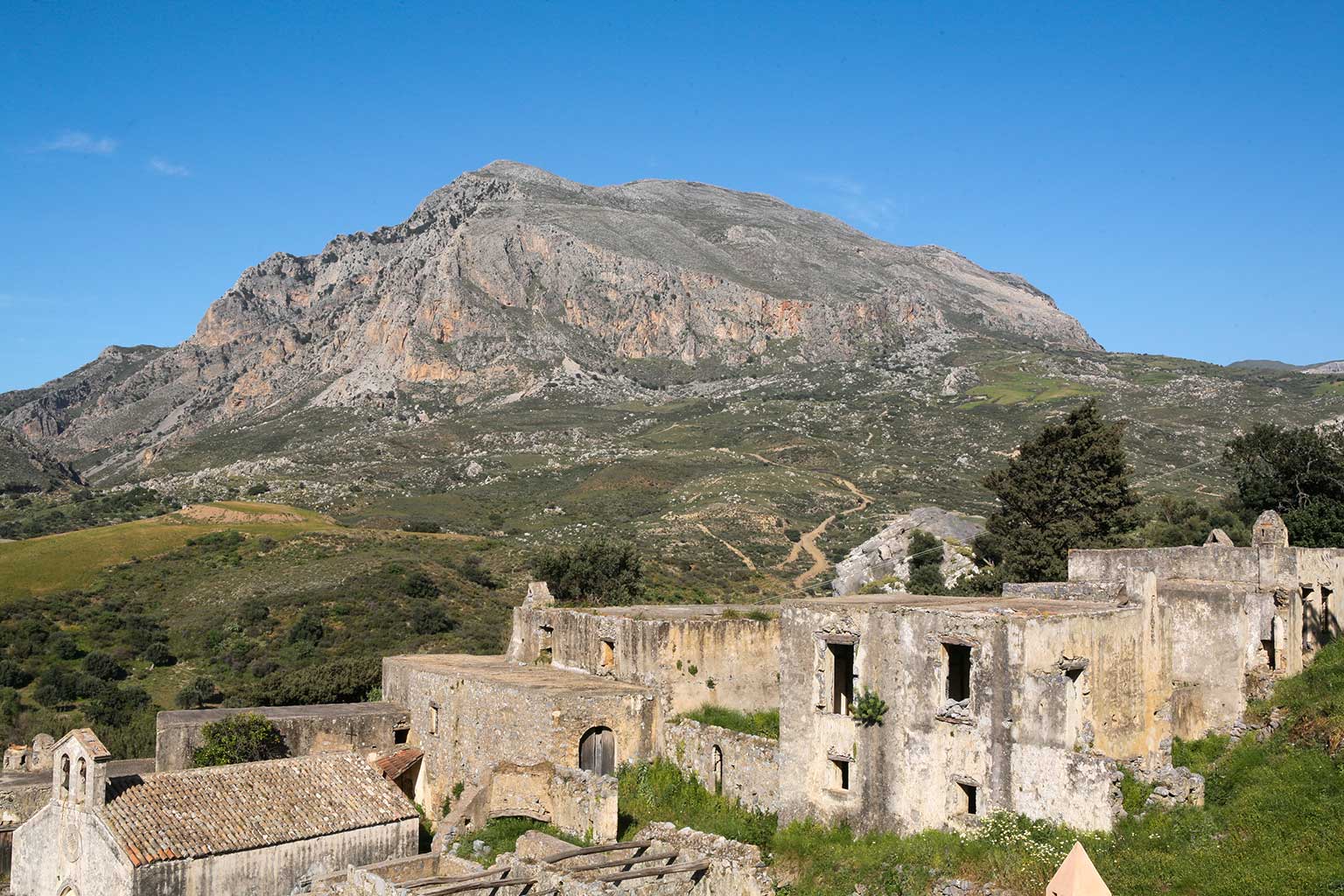
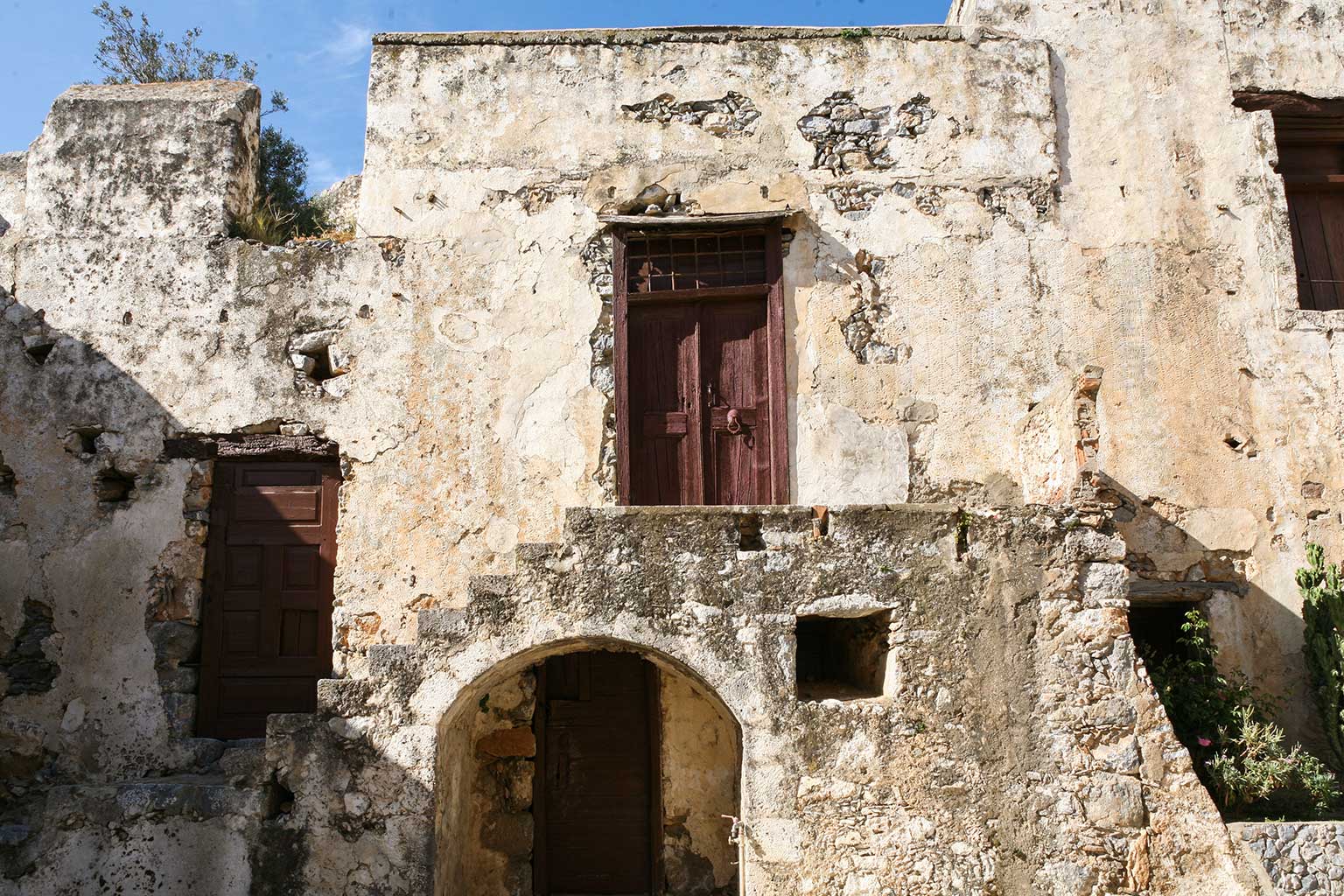
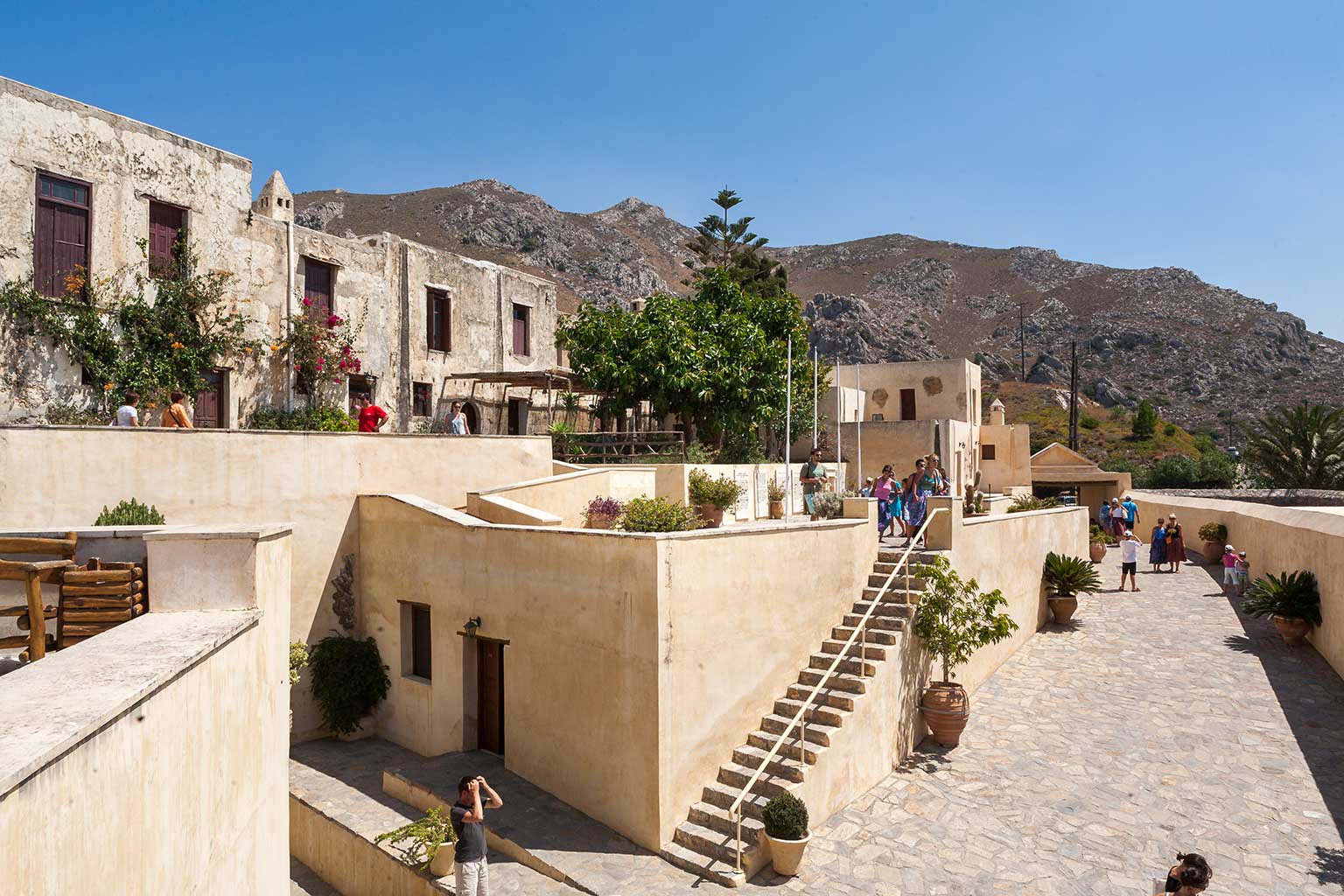
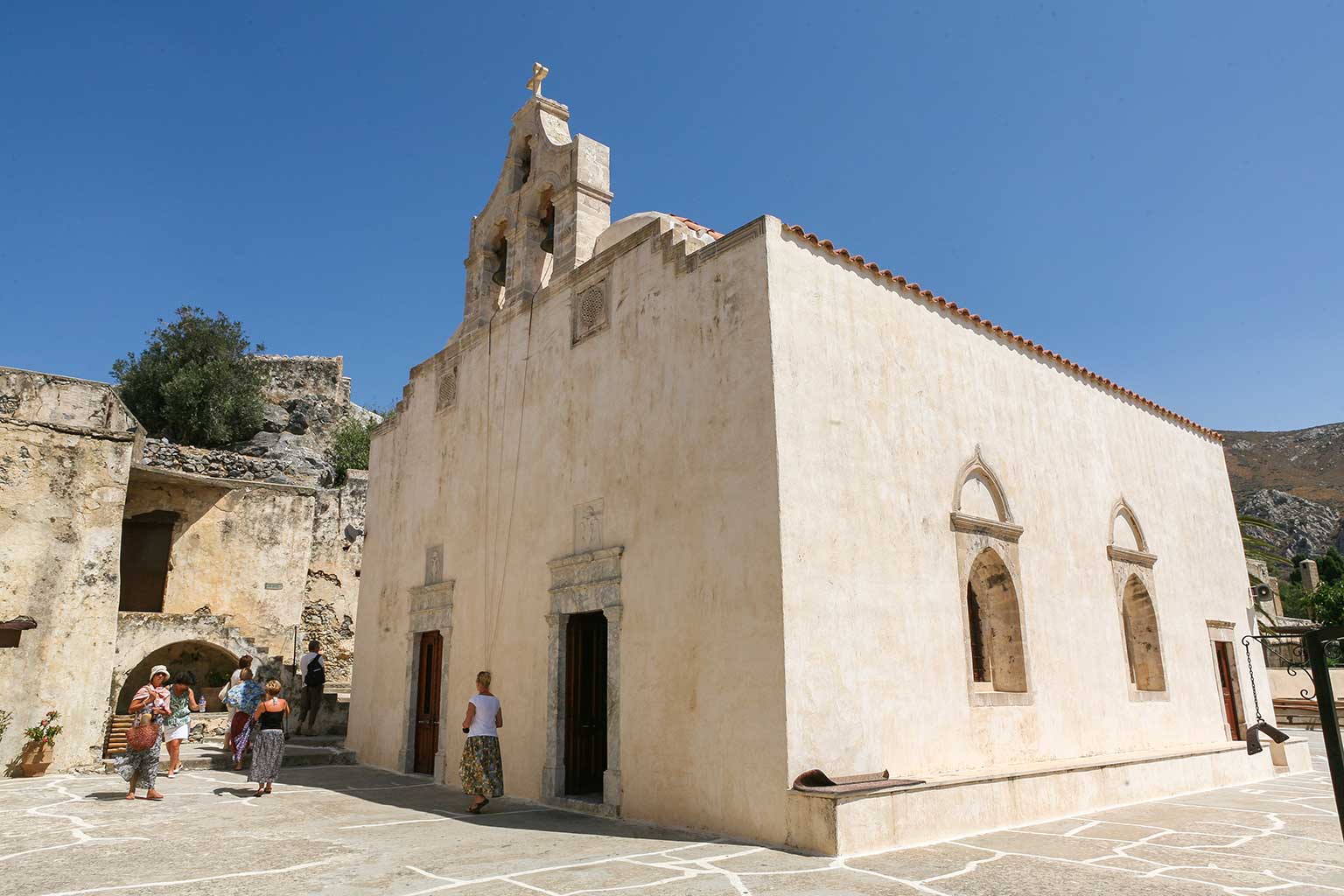
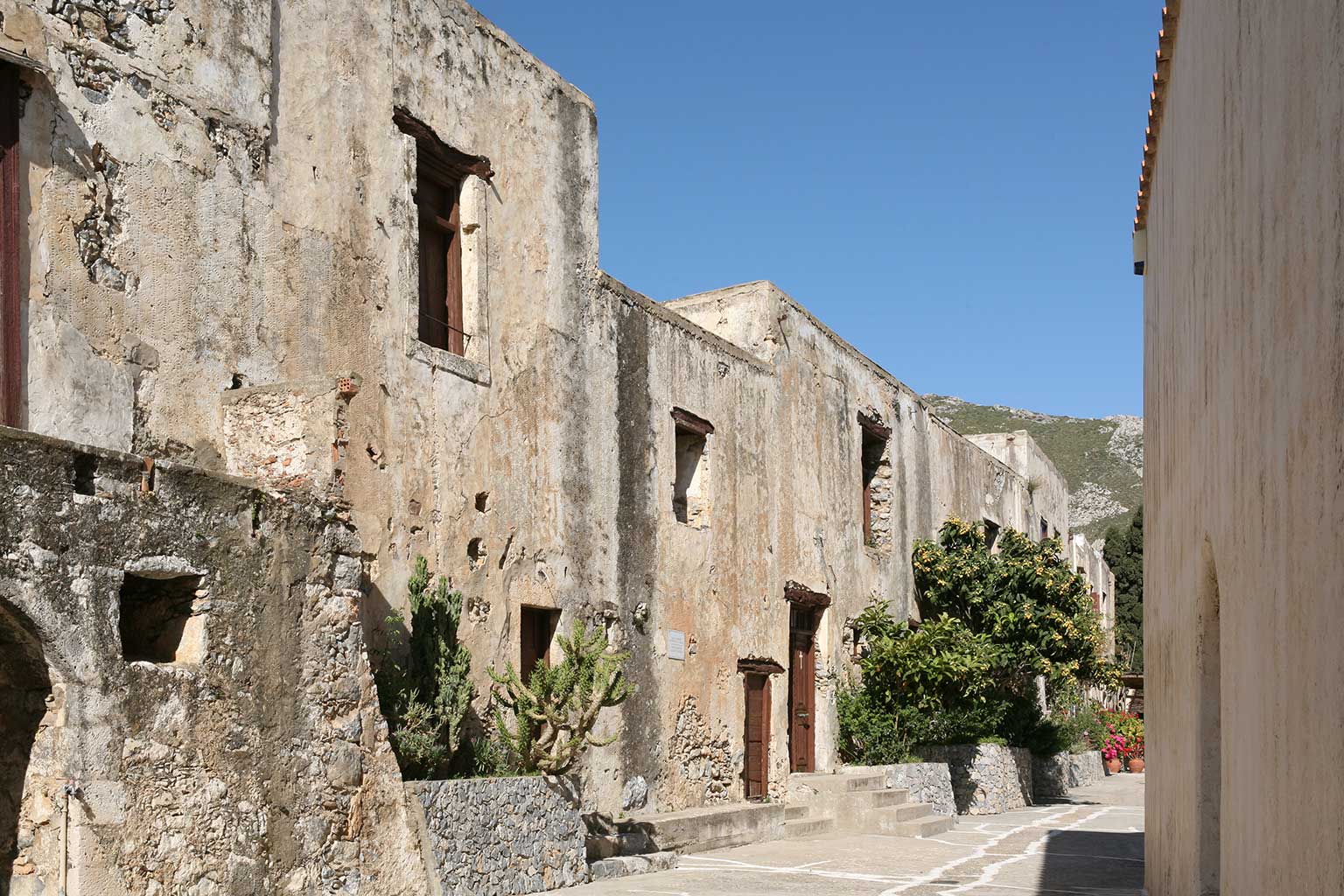
The Preveli monastery lies 37 km from Rethymno. It consists of two main building complexes, that are 3 km apart: the Lower (Kato) Monastery of Saint John the Baptist and the Rear (Pisso) Monastery of Saint John the Theologian, which is in operation today. Starting from the Monastery, you can follow the dirt road that will lead you after a 15 minutes walk on a magnificent sandy beach with palm trees right at the mouth of the river Kourtaliotis.
Patsos Gorge
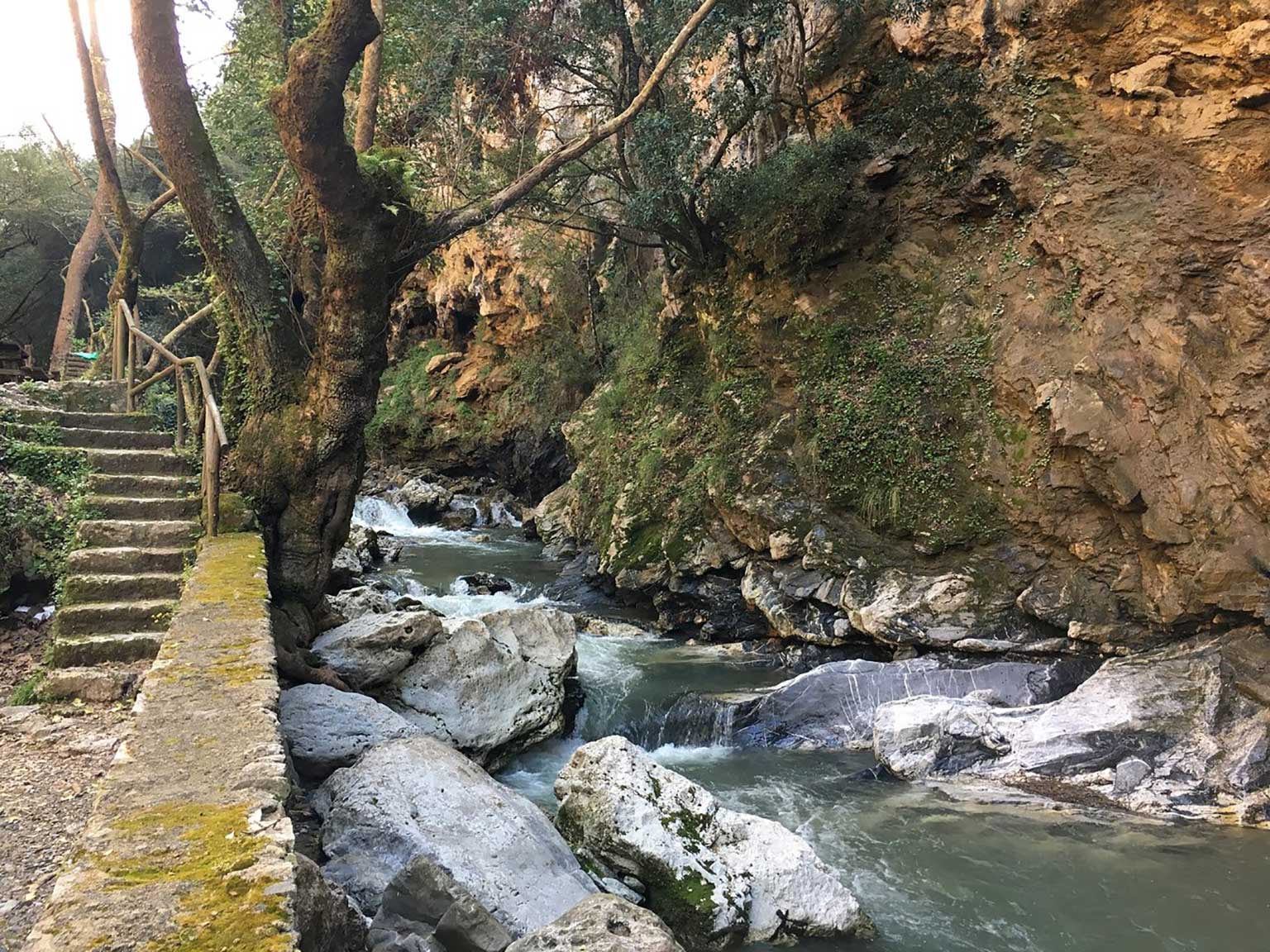
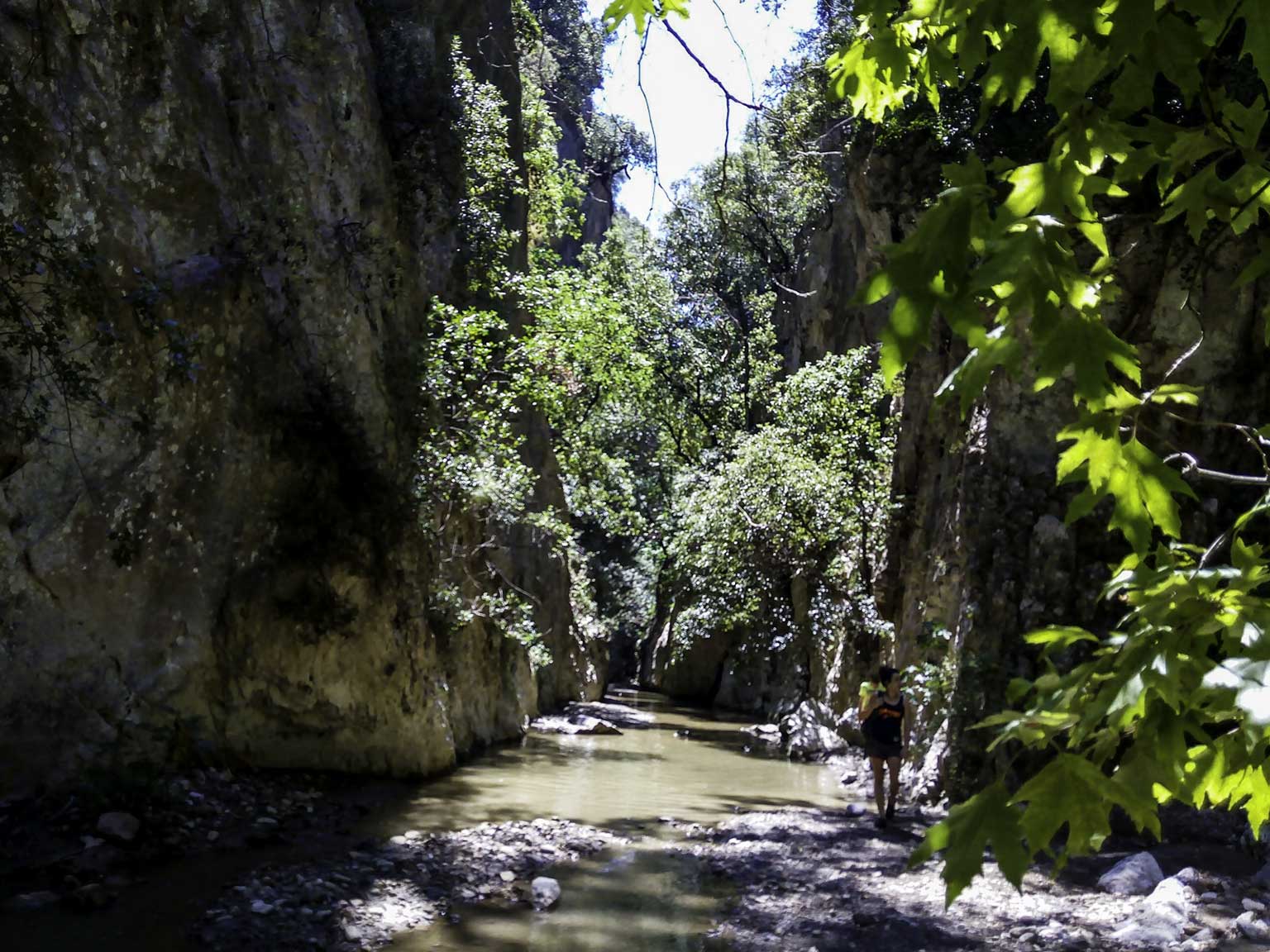
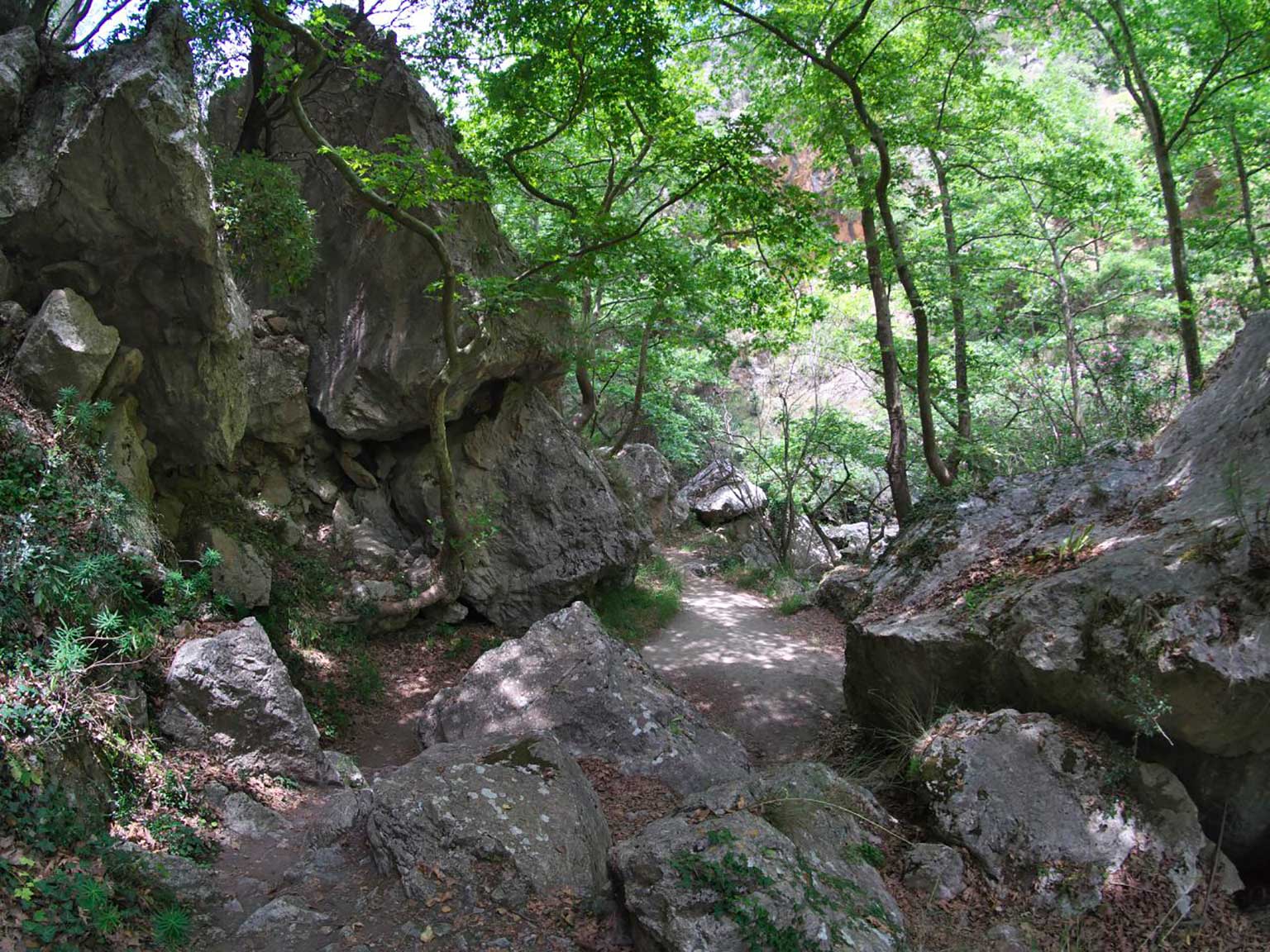
The exceptional natural beauty of verdant Patsos Gorge, will impress its visitors with the small river that runs through it, and the huge plane trees and its lush vegetation that grows in its bed. The river length is about 2 km and the hiking trail takes approximately 2 hours. You can visit the small cavernous chapel of St. Anthony; next to it was in antiquity the altar of the open-air sanctuary of Kranaios Hermes, protector of the shepherds, the forests and nature’s fertility. Inside the gorge there are designated rest areas and a birdwatching post.
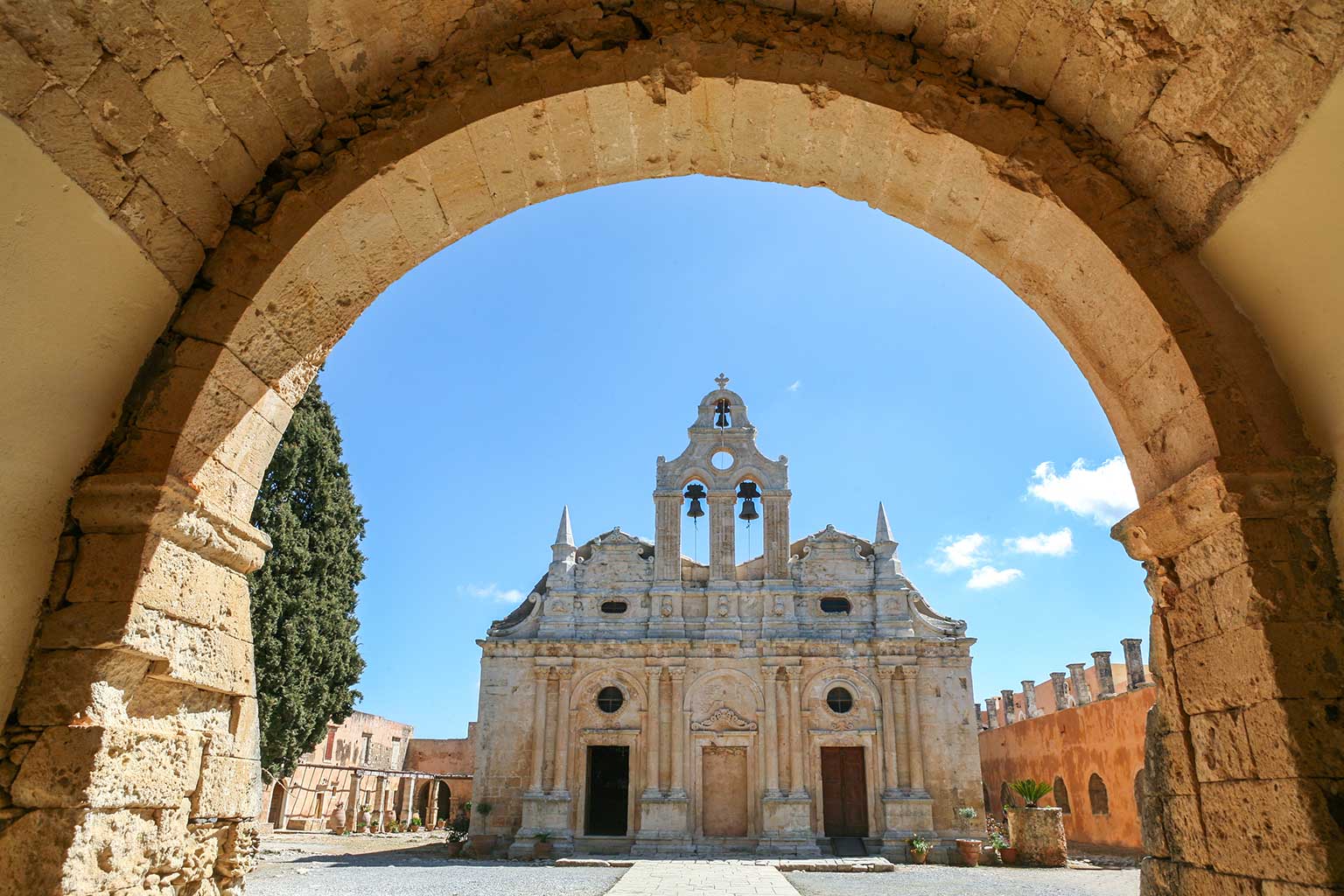
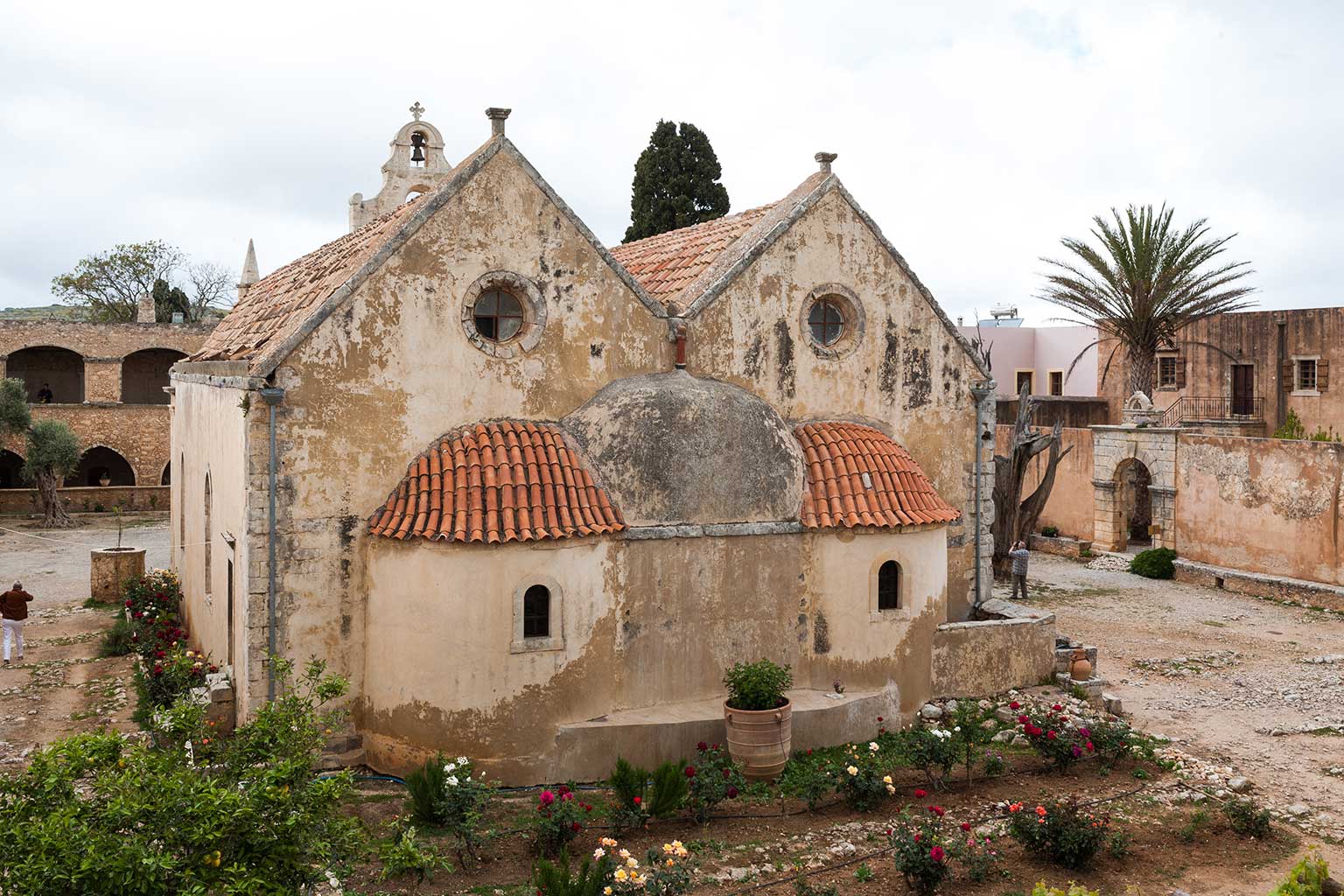
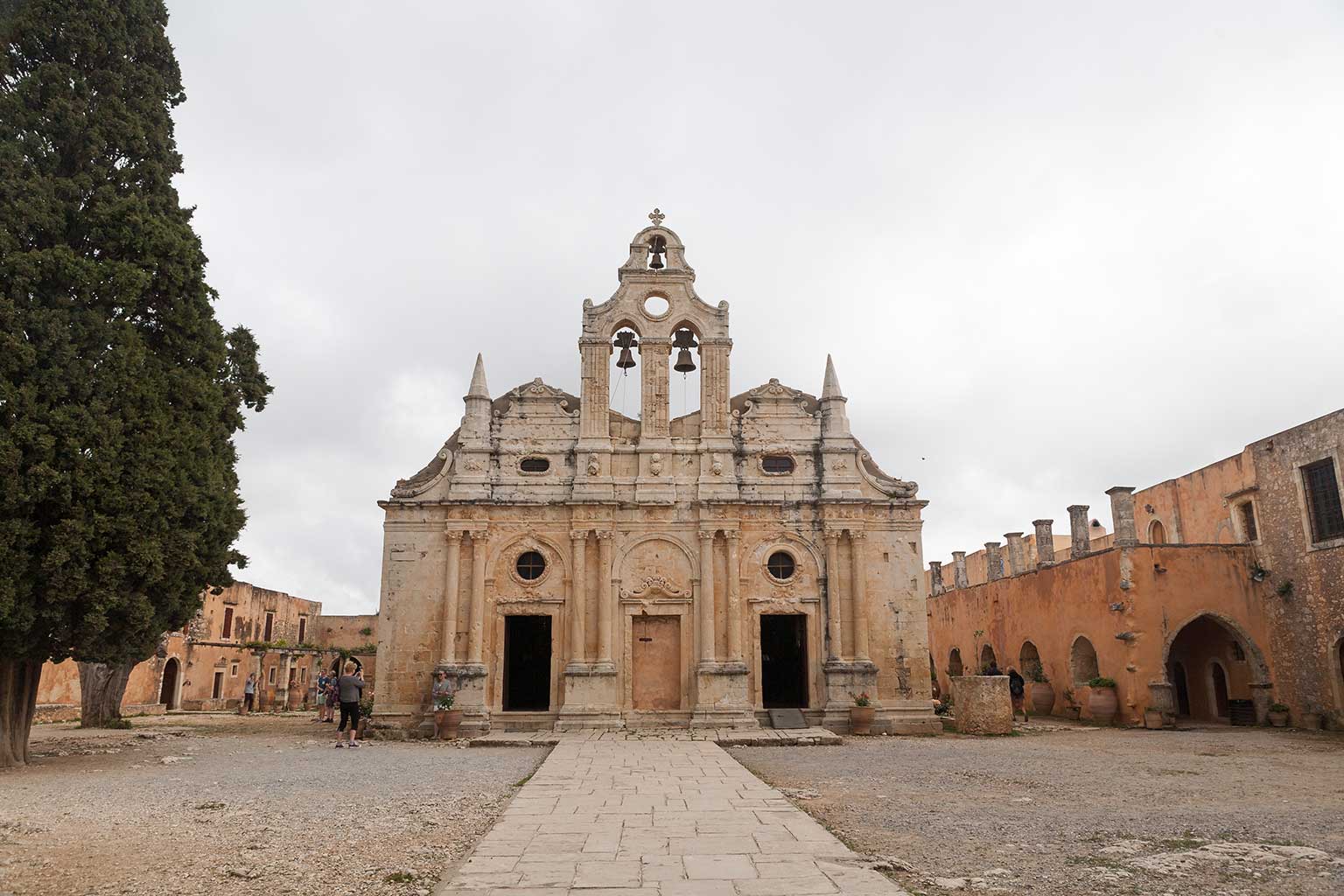
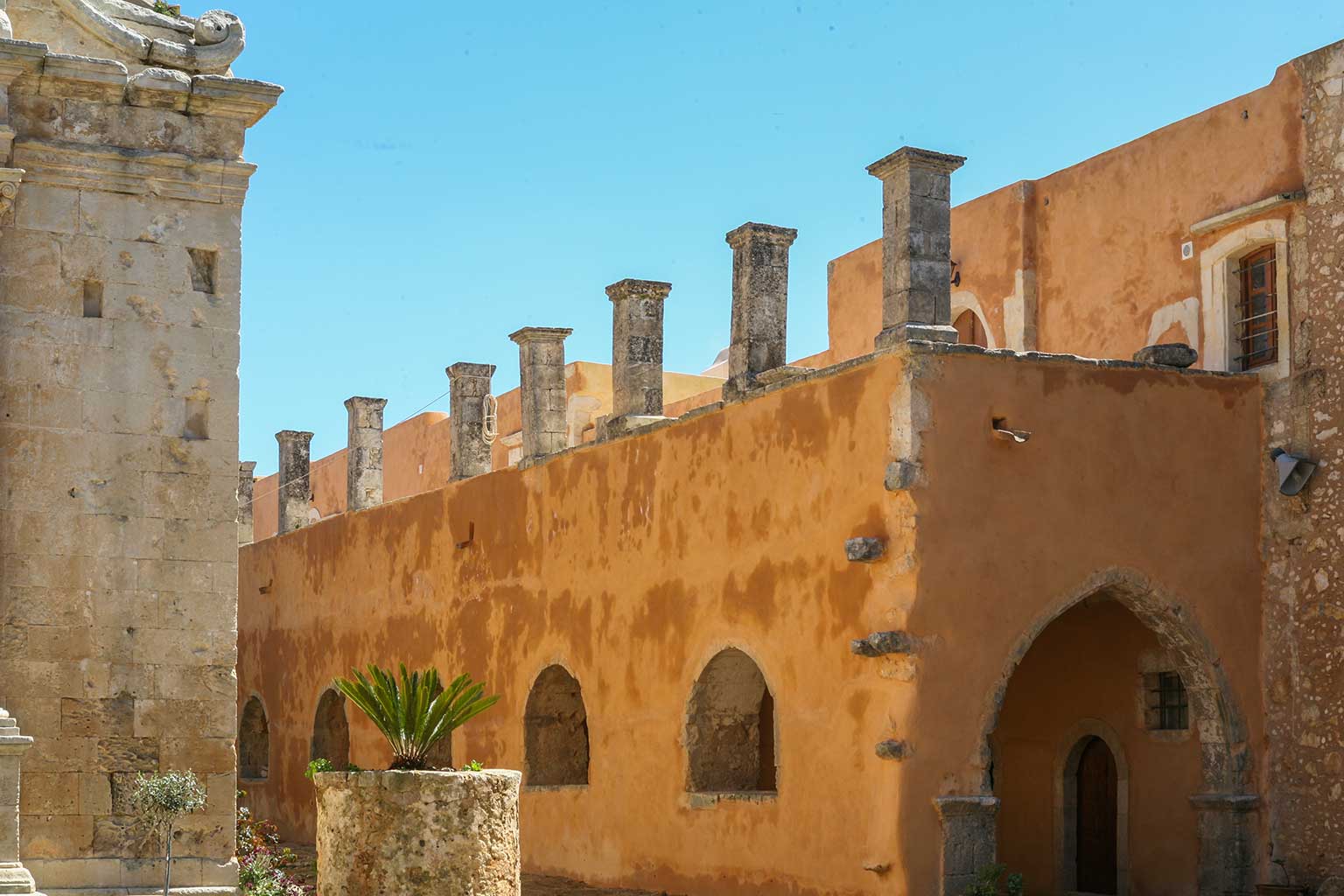
Arkadi Monastery
Arkadi is a historic and at the same time a religious monument, that has been designated by UNESCO European Freedom Monument. Arkadi is the most prominent Monastery of Crete that lies on a small, fertile, verdant plateau, only 20 km away from Meronas Village and 23 km from Rethymno Town.
The Monastery was founded in the beginning of the 16th c. although its present form was given back in 1572 when the complex was renovated and transformed into a communion…
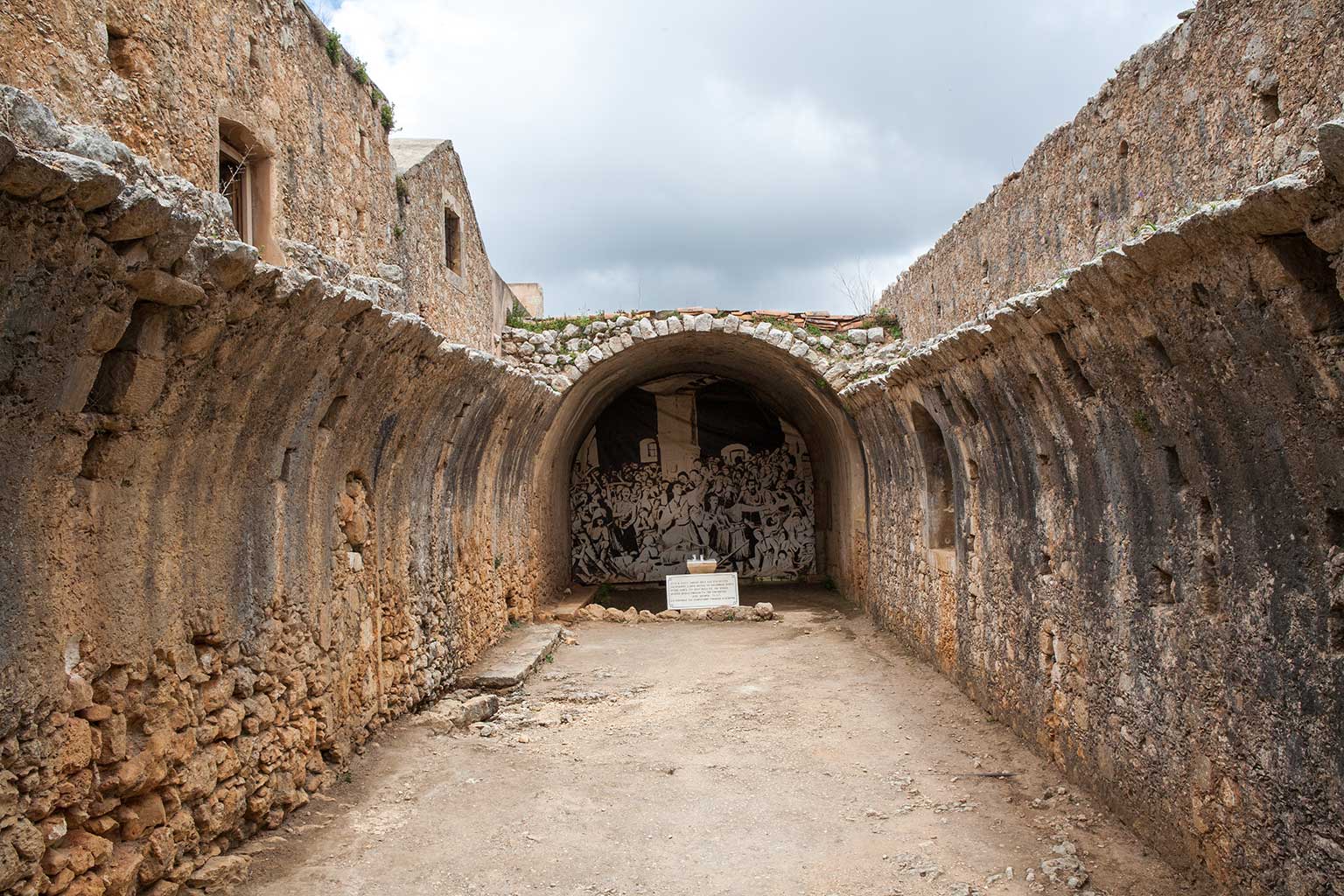
In November 1866, the ottoman troops surrounded the Monastery, where 700 women with children and 260 Cretan Warriors sought refuge after the Abbot’s (hegumen) refuse to surrender. After a two days battle, children, women and warriors under Konstantinos Giamboudakis that gathered them all in the gunpowder magazine, set the barrels of powder on fire and the explosion resulted in numerous deaths of the besiegers.
Arkadi buildings include hosting rooms, the Abbot’s residence, the refectory, the kitchen, the bakery, the kneading room, the wine storage, warehouses etc. Some rooms have been transformed into a museum with impressive ecclesiastical collections of vestments, icons, sacred vessels, books, manuscripts and objects that are linked to the Revolution of 1866.
Ancient City of Monastiraki
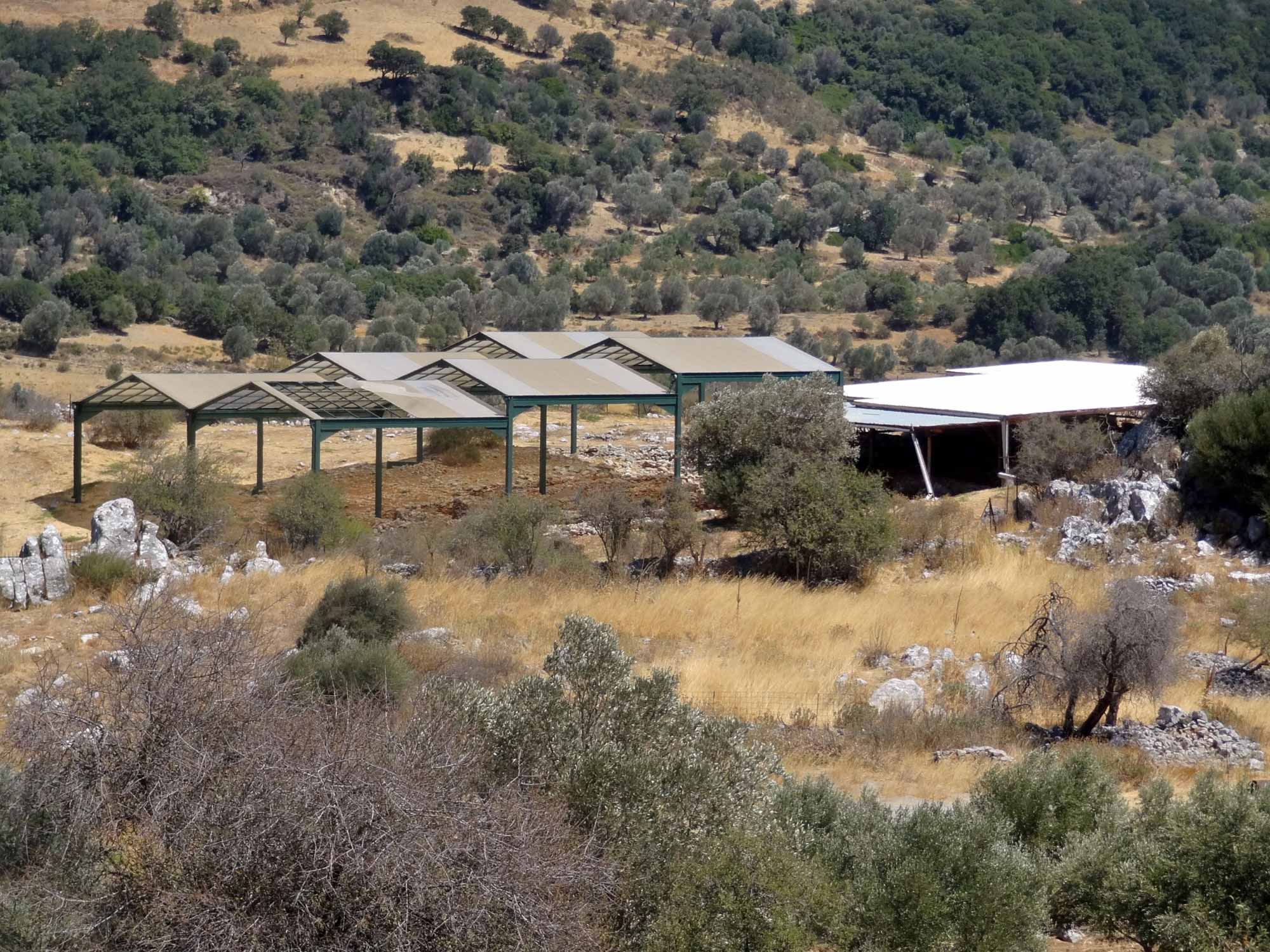
In Monastiraki Village, an important Palatial Minoan settlement was brought to light from excavations, in the centre of which was a two-storeyed complex with palatial characteristics. It seems that it was founded in approximately 2.000 B.C. and that it was violently destroyed, like all the other Minoan palaces by either an earthquake or a fire in approximately 1700 BC.
The excavations have brought to light warehouses, places of worship as well as rooms, probably archive rooms of the Palace, by the large number of clay seals that were revealed.

Quicklinks
Newsletter
Subscribe
and keep up to date with latest news, behind the scenes, exclusive offers and more
Villa Angelica © 2020 | GDPR | Impressum | Social Responsibility