


Meronas Village
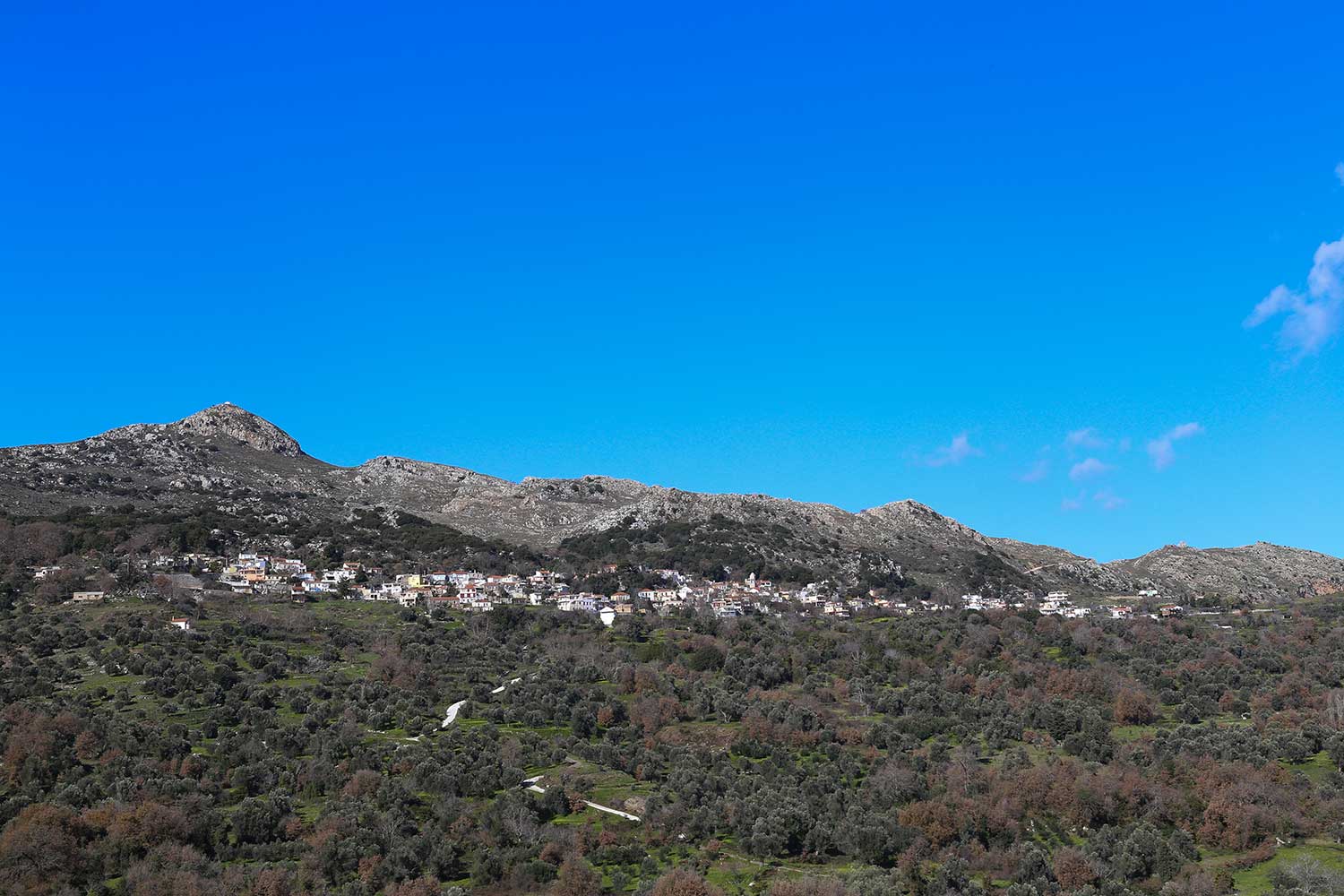
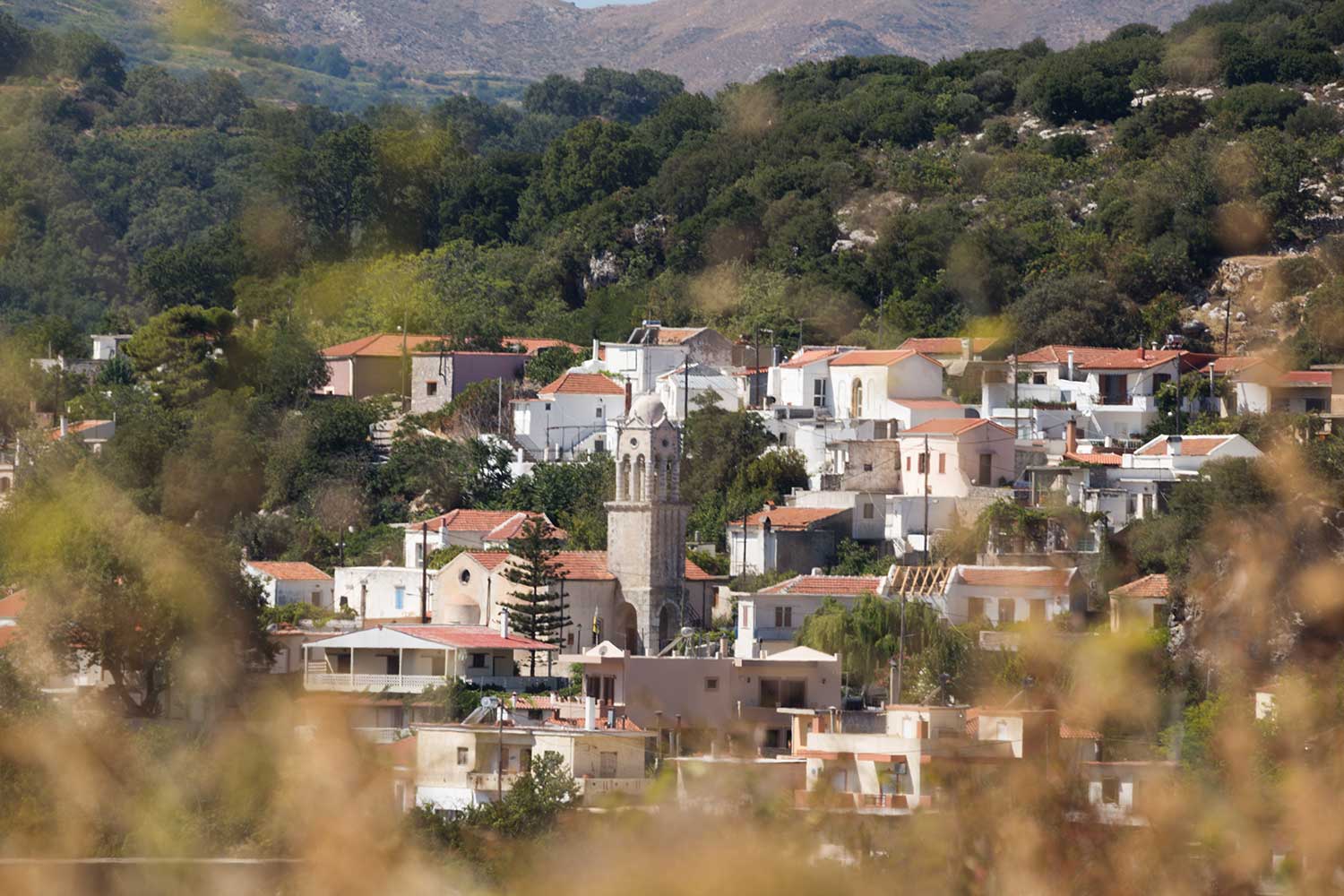
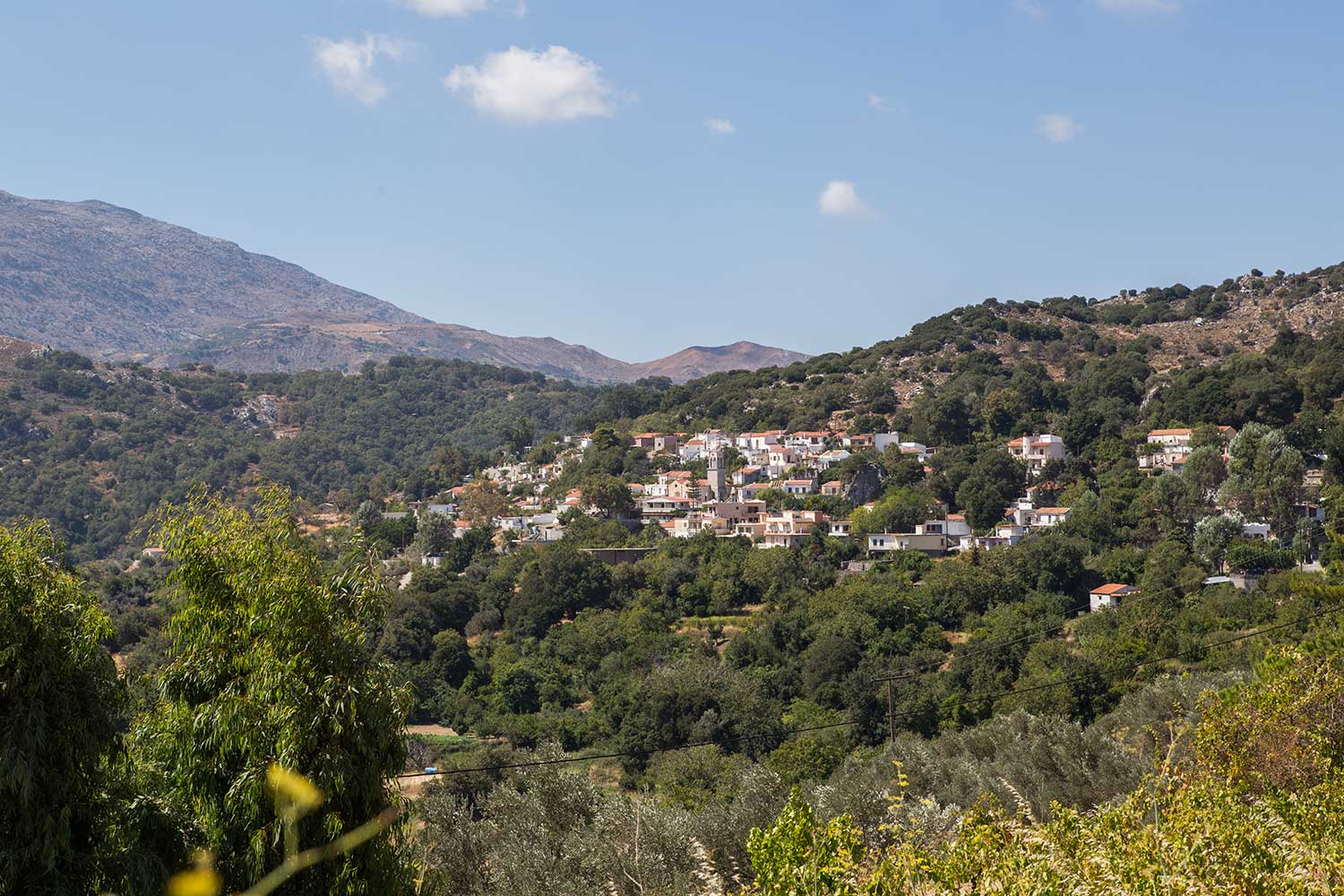
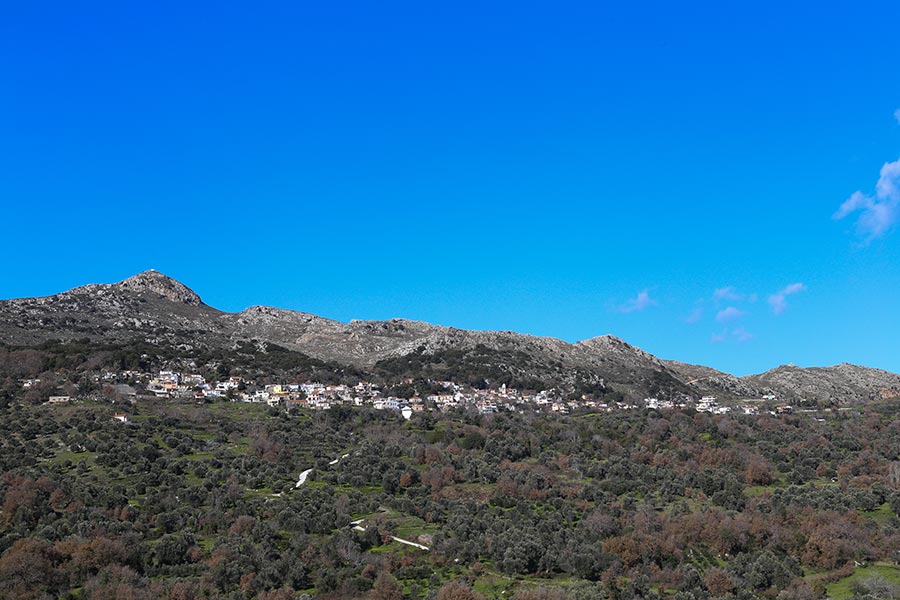
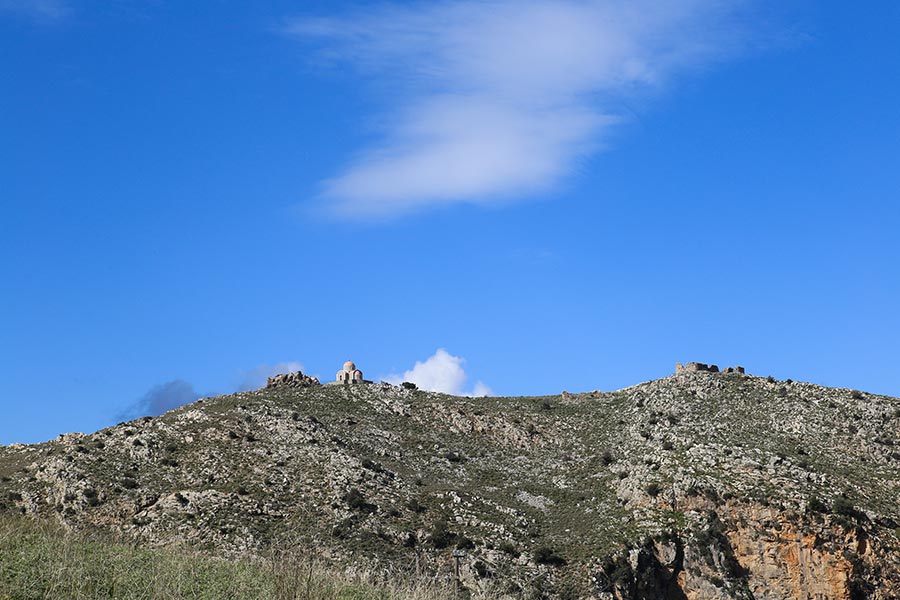
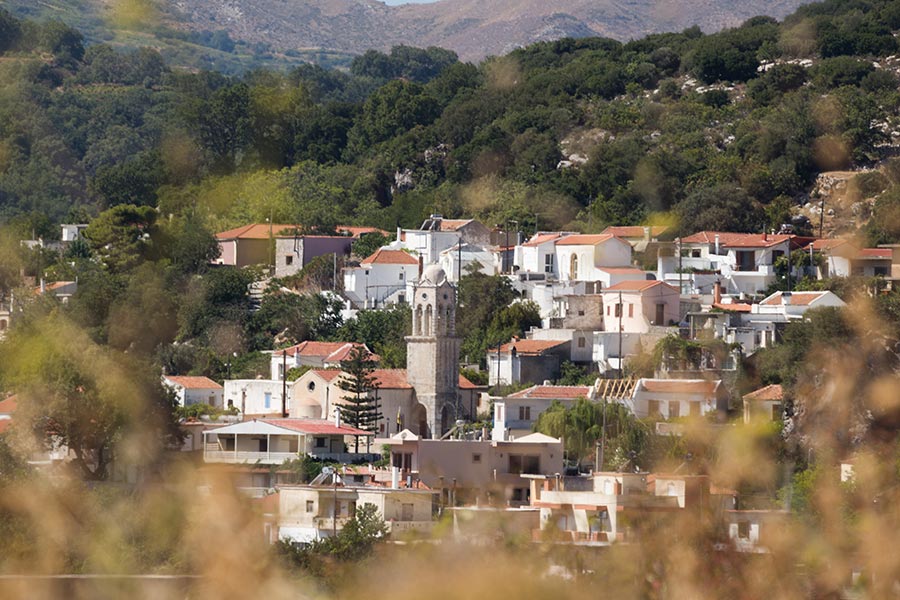
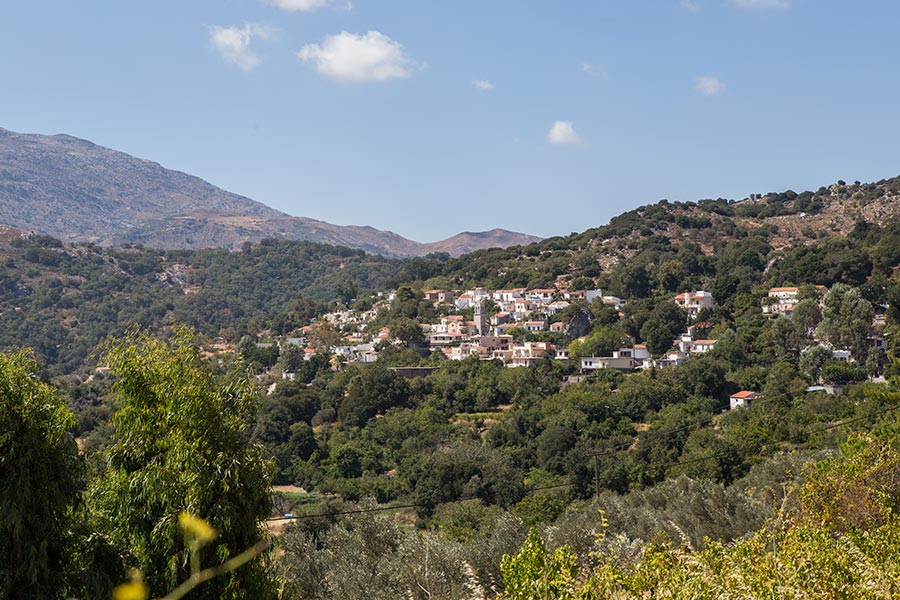
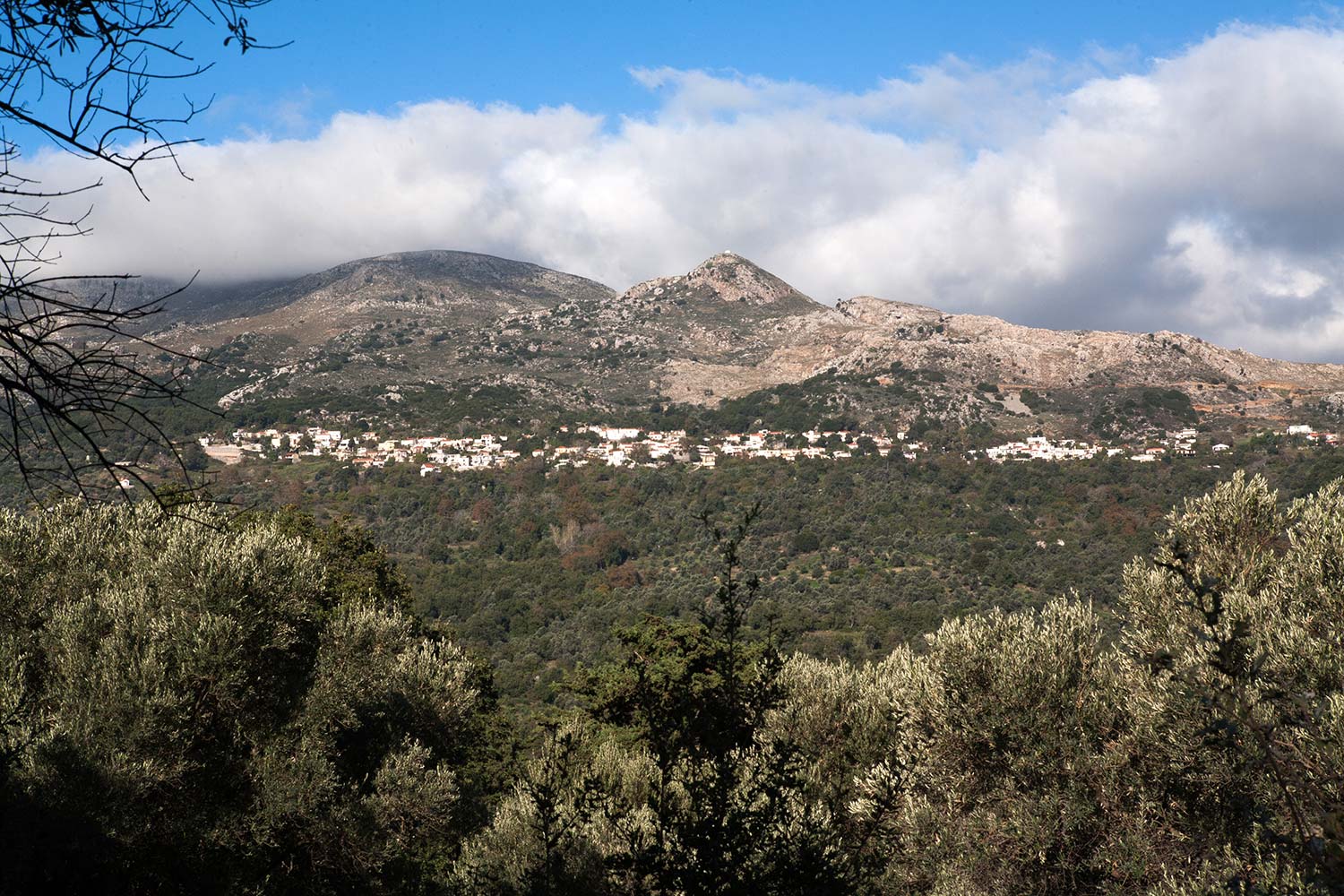
Meronas Village in the heart of Amari Valley and in an altitude of 620 m., is proudly known as the balcony of Amari. The Village was once named “Elia”, which means ‘bright place’!
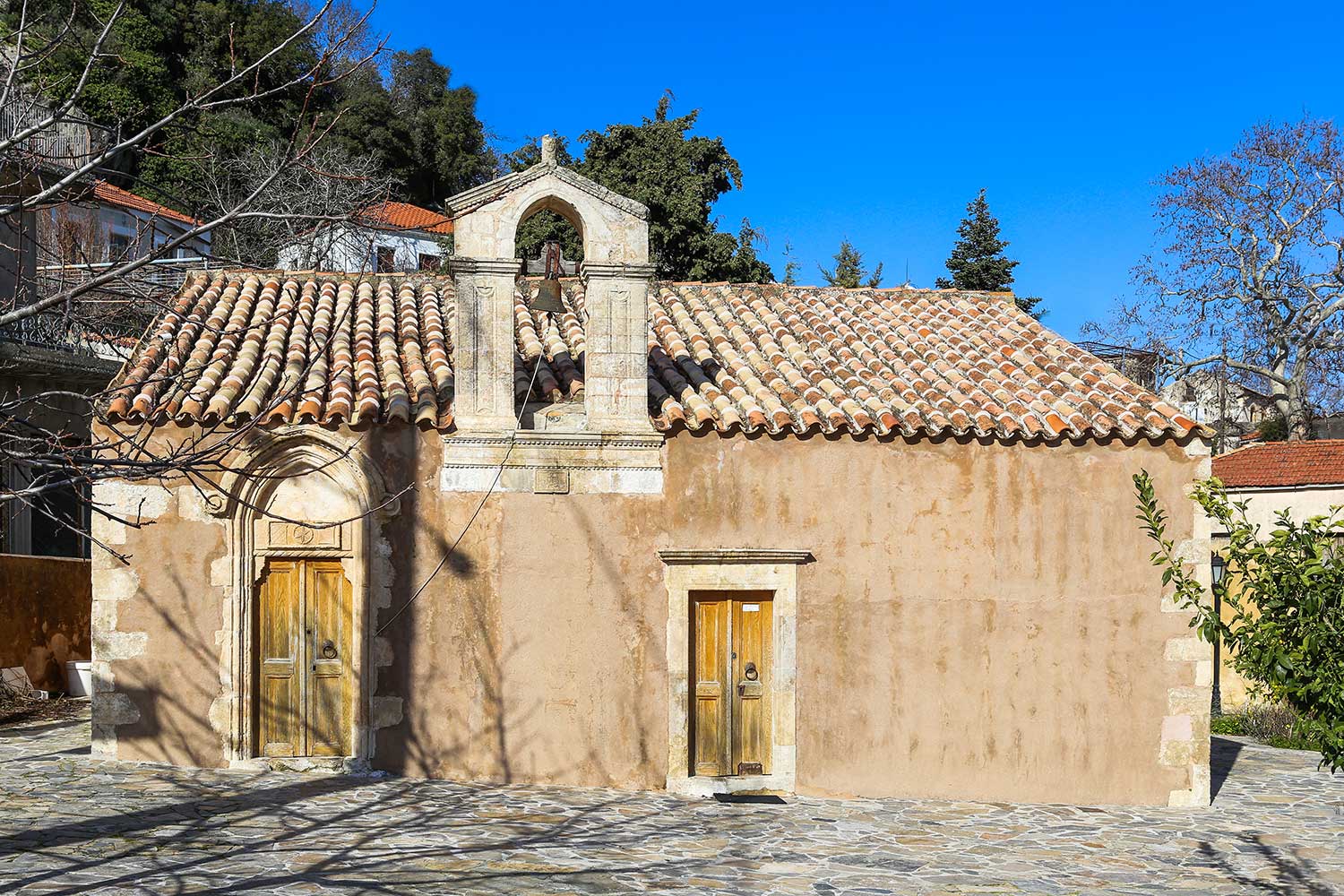
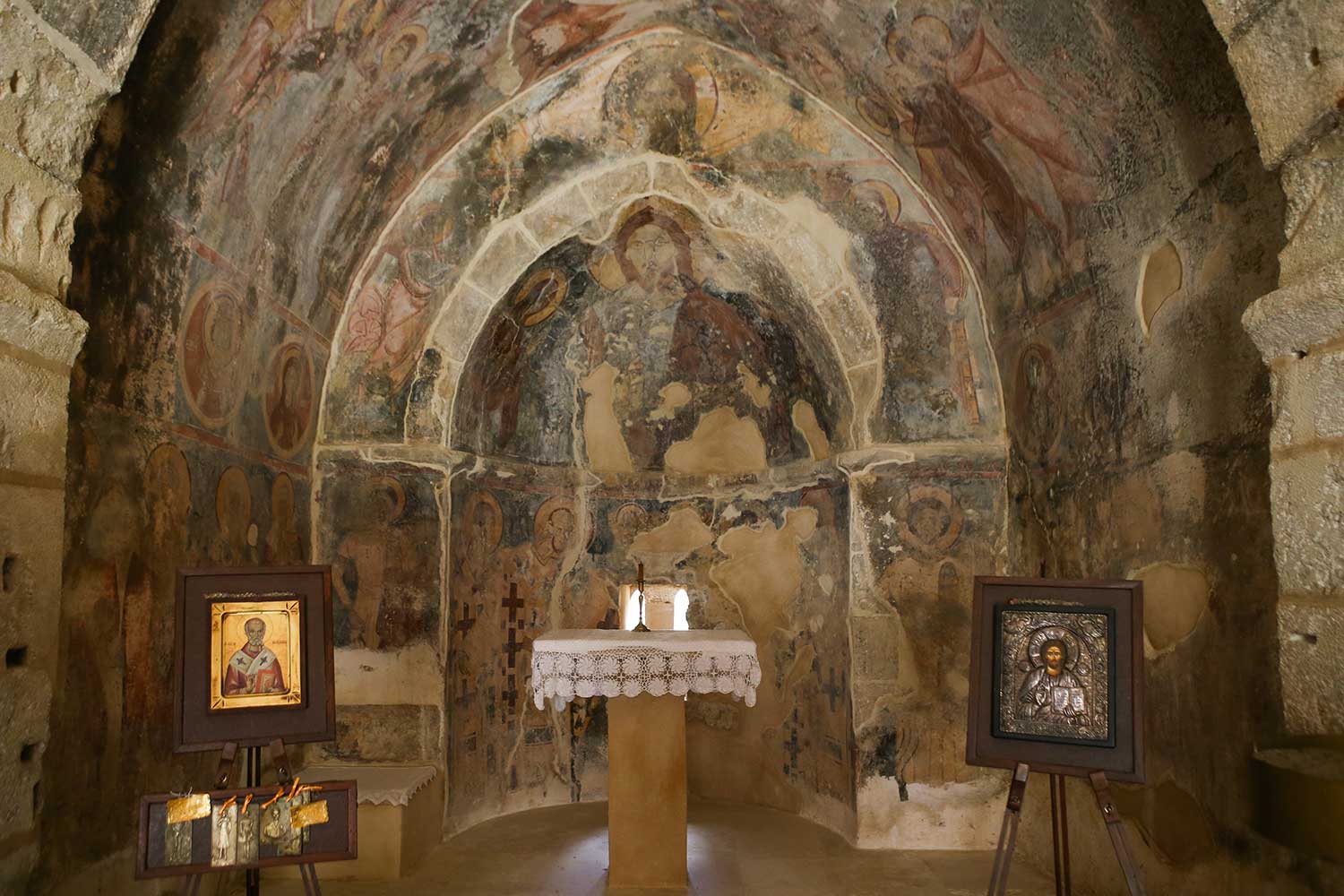
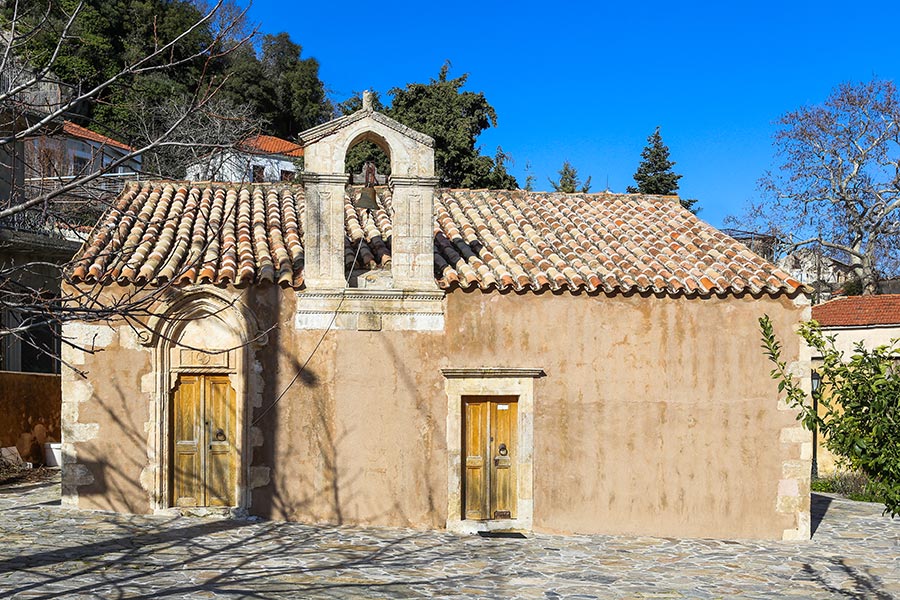
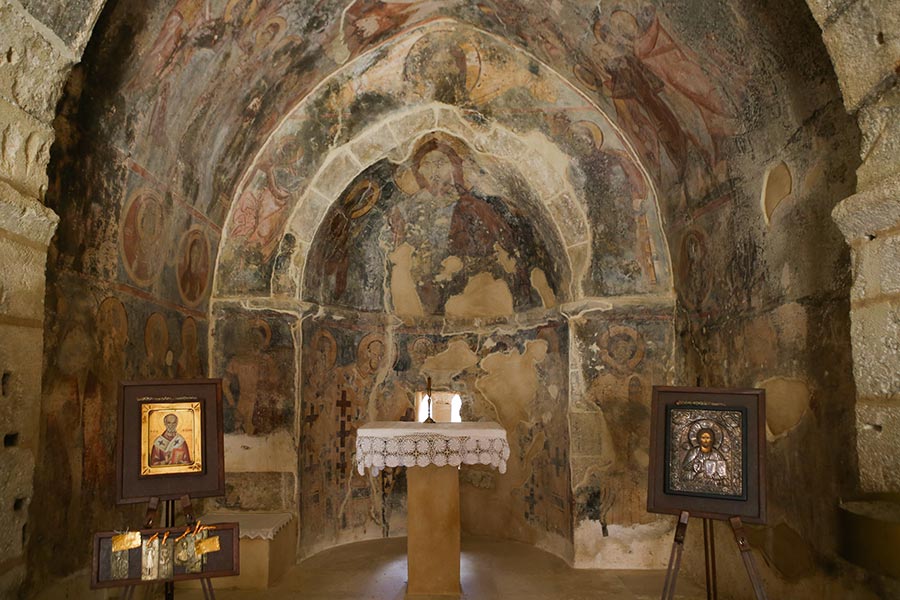
The History of the village dates back to the 14th c. A.C and the legendary Kallergis Family (noble house) that has built within the village in the mid 1300’s the Byzantine Church of Panagia Odigitria (Virgin Mary), one of the most prominent ones.
The three-aisled church has a rare decoration with frescoes and icons, including the icon Of Virgin Mary, also known as the ‘Mona Lisa of Byzantium’.
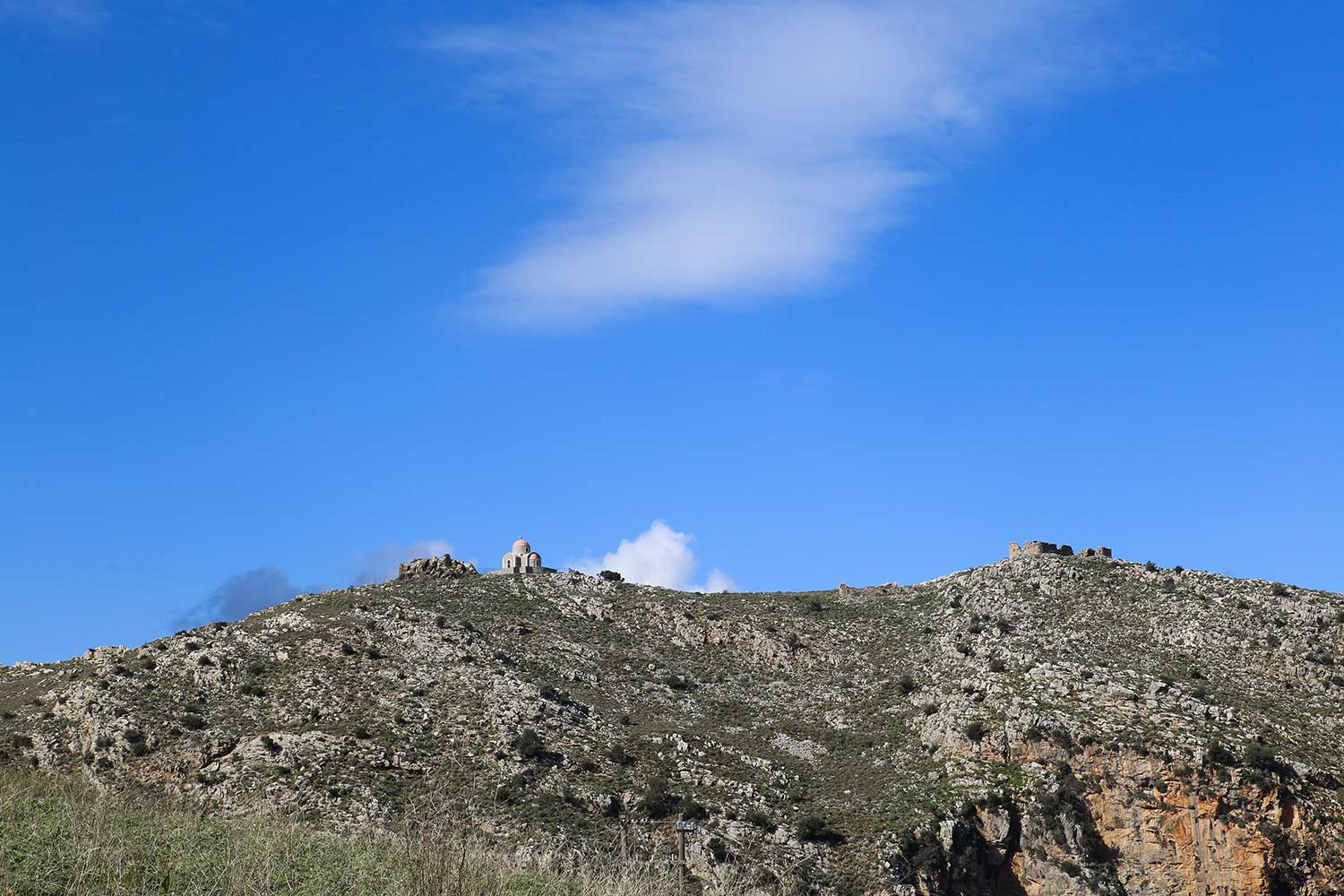
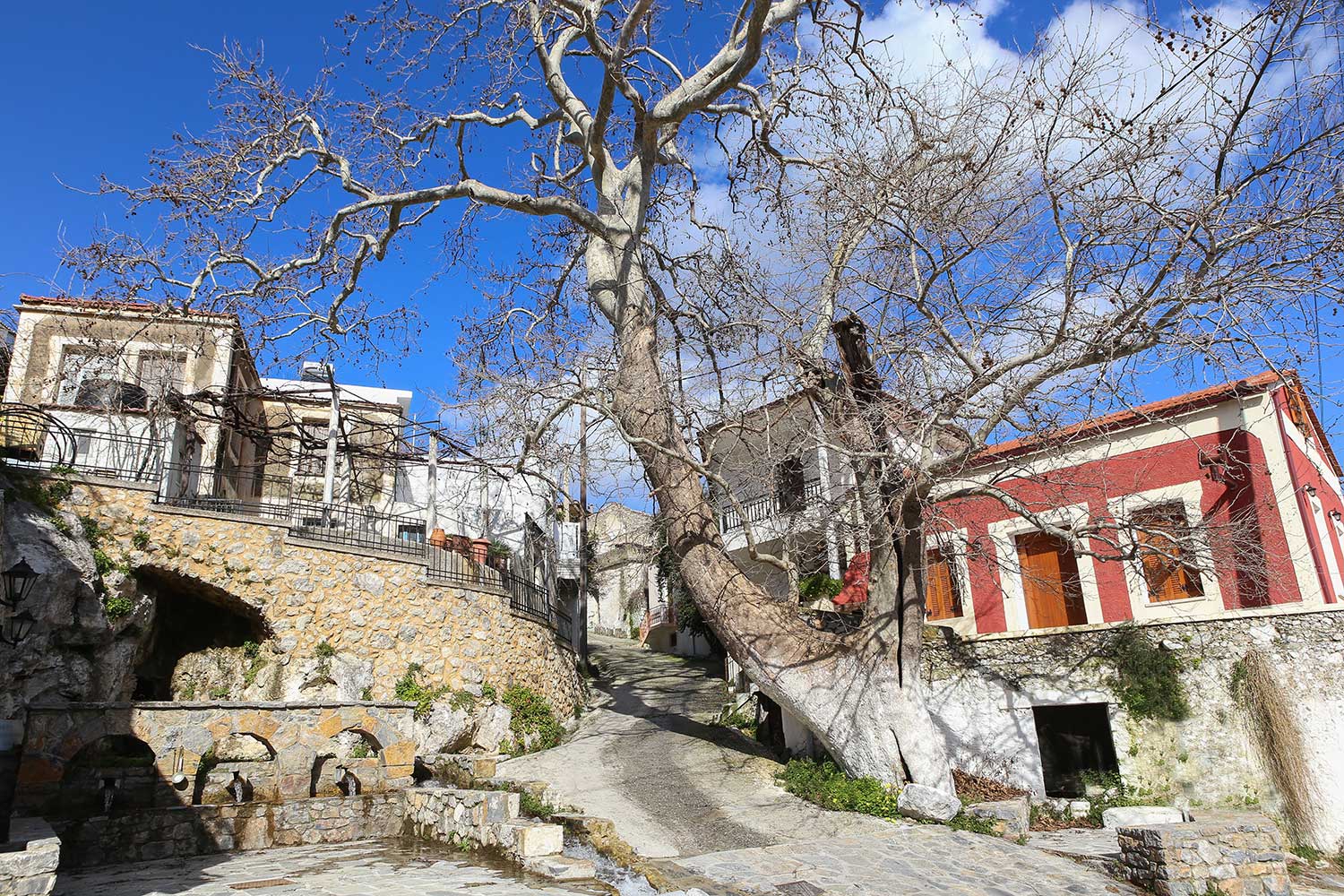
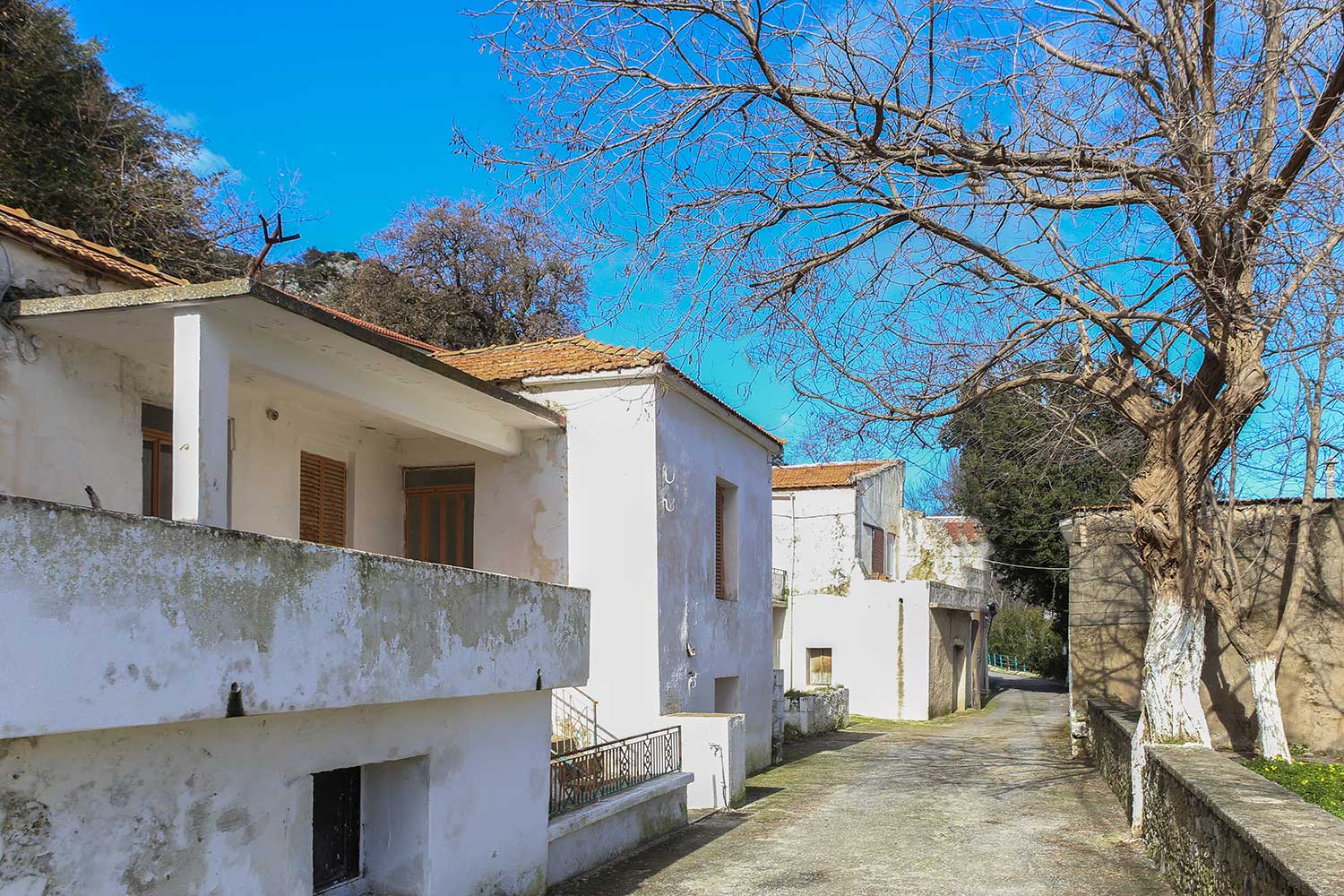
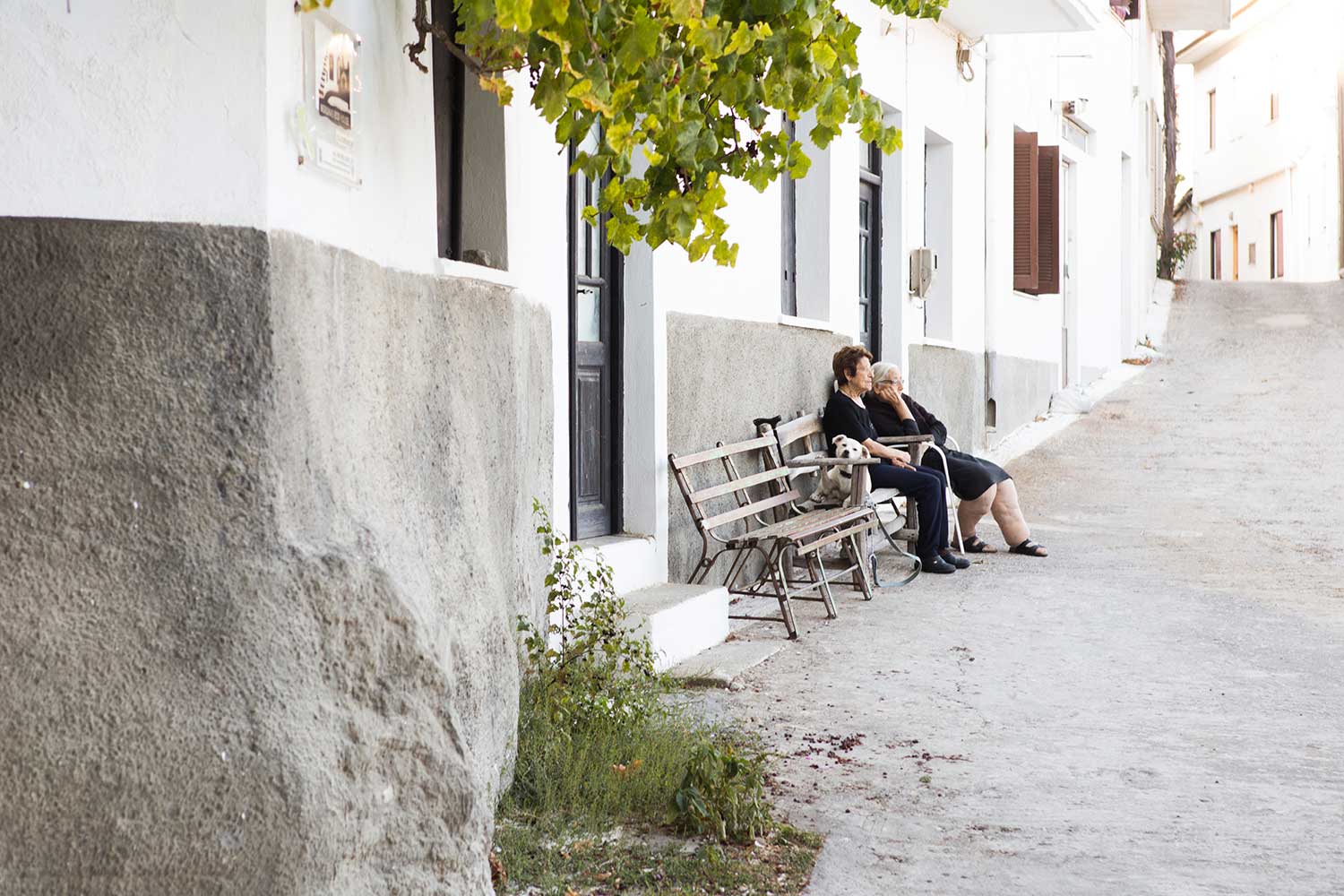
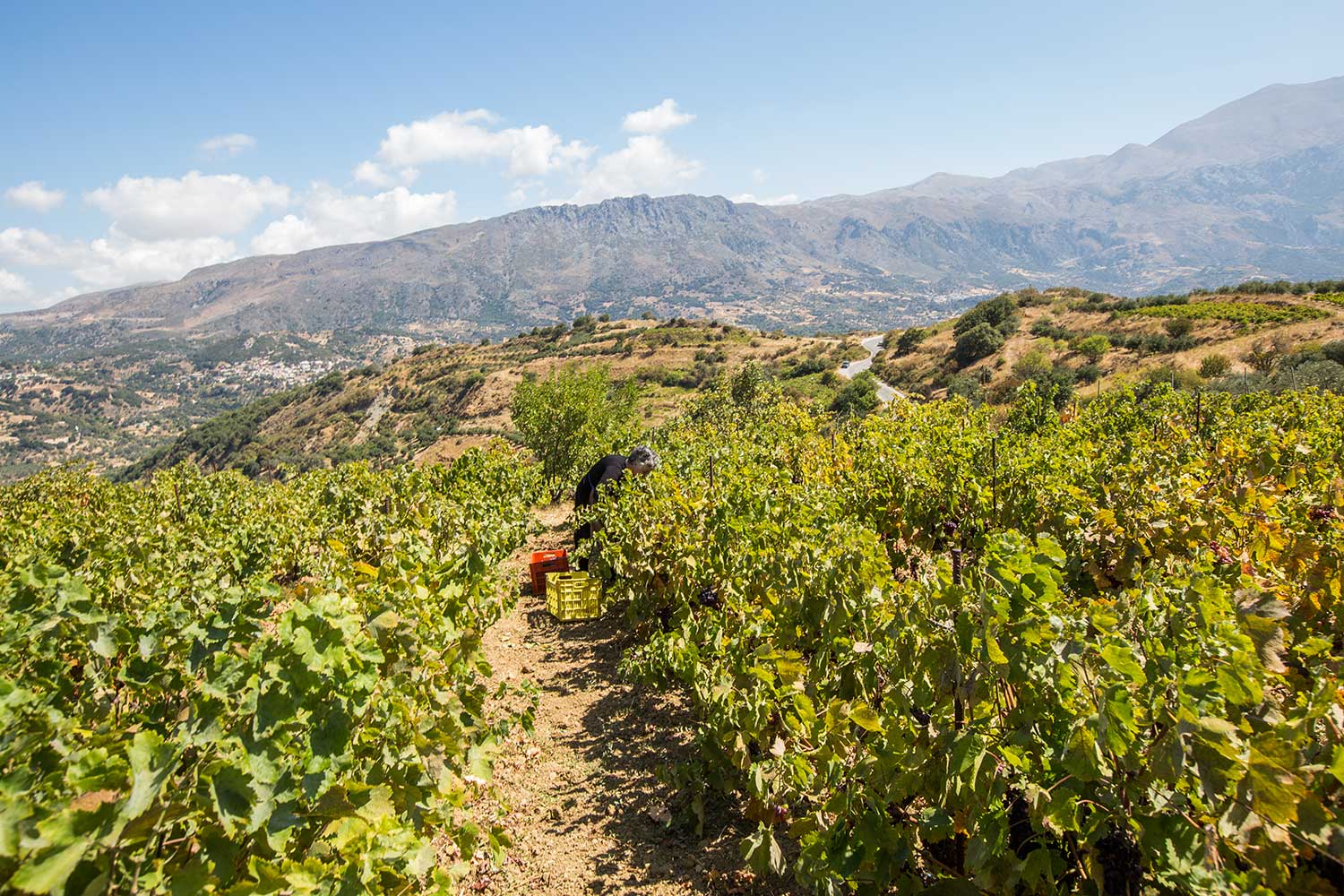
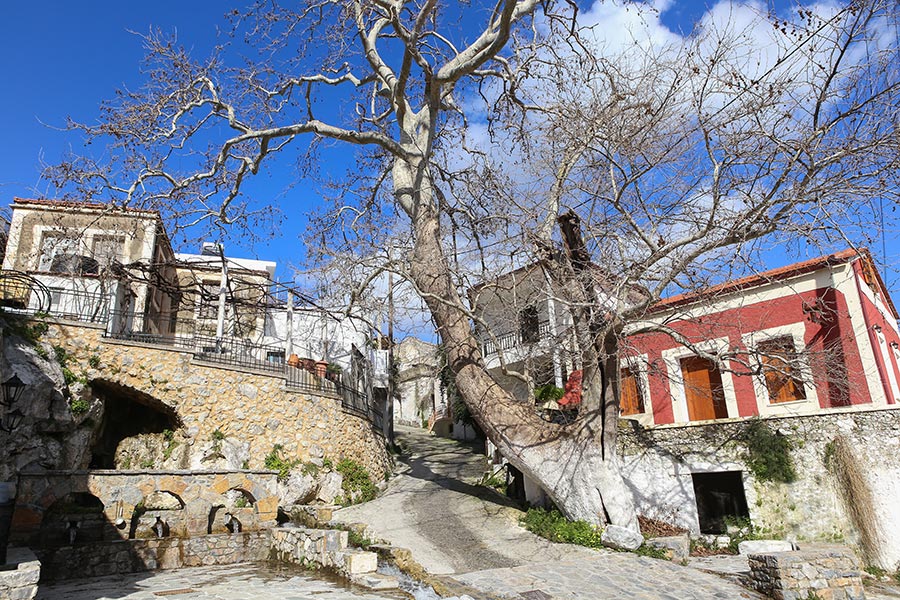
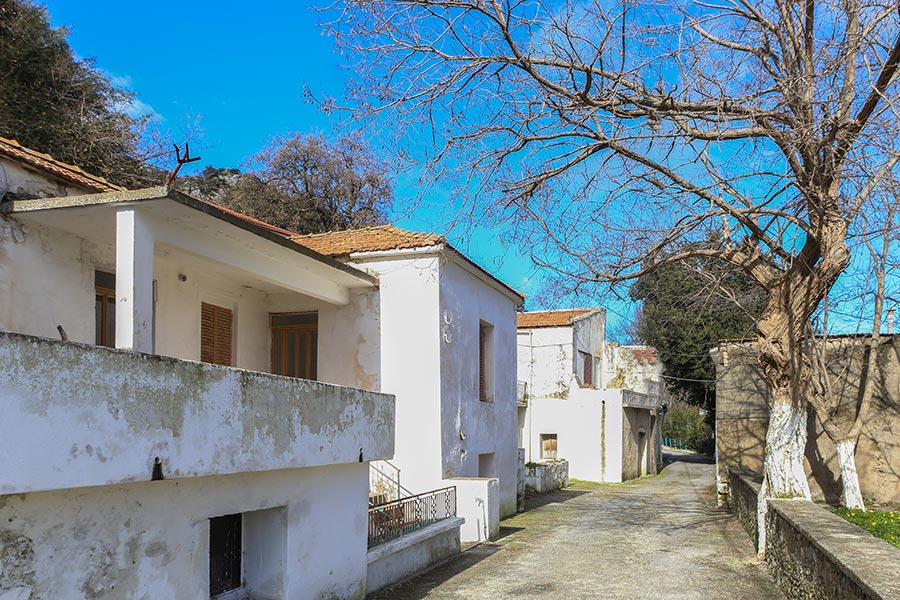
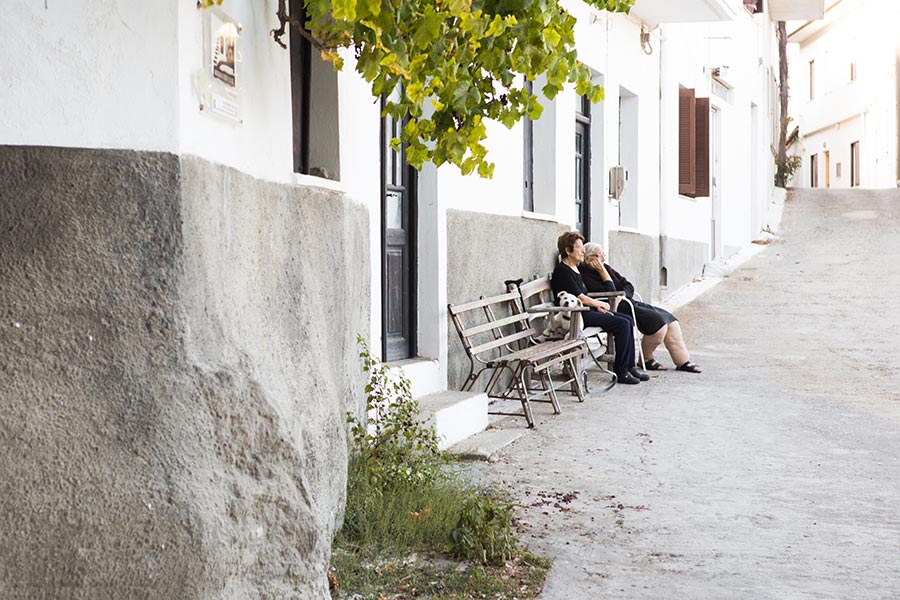
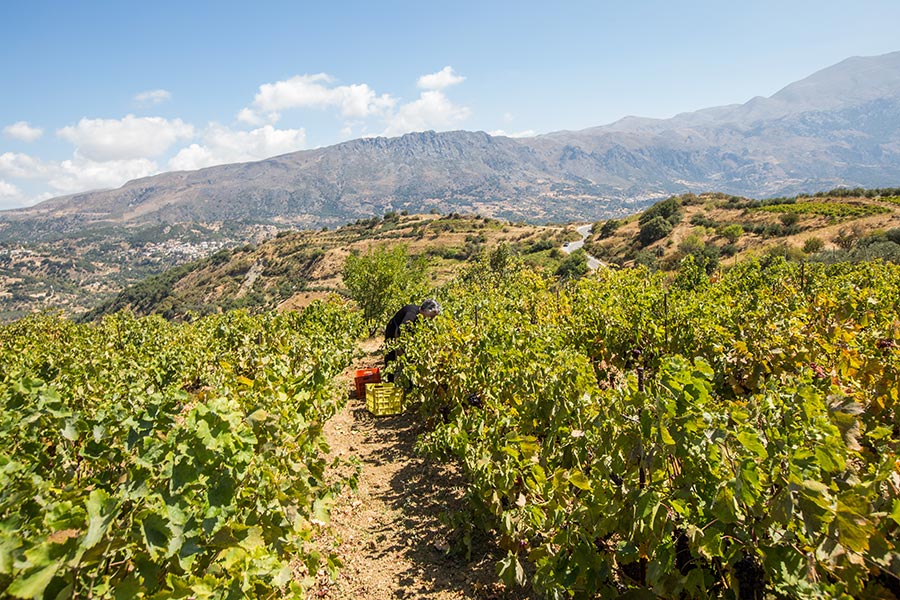
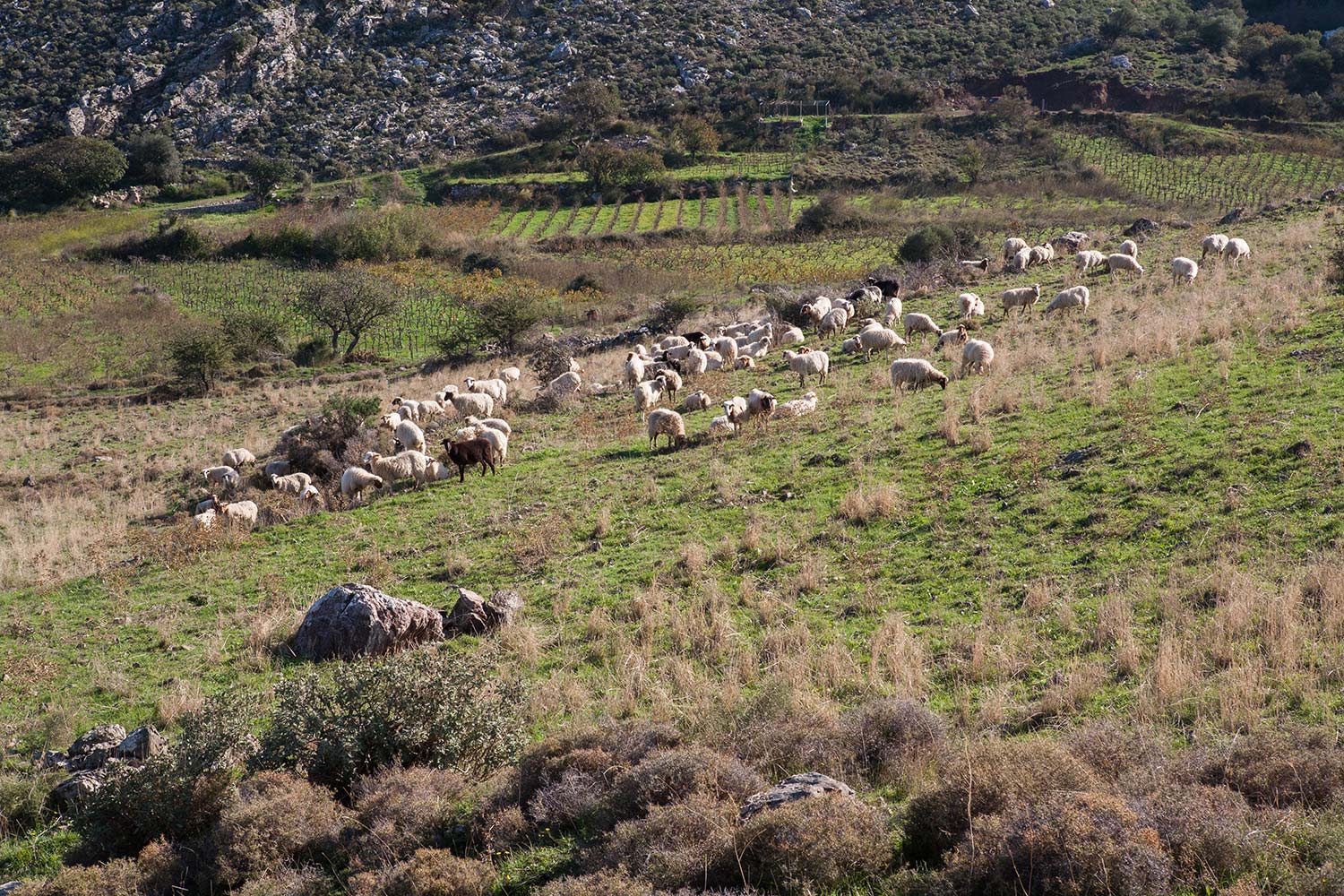
There is a large network of Byzantine chapels inside and outside the village that are restored and are open and accessible to the public. In the wider region of Meronas there are approximately twenty caves, among the most important of them is Mygiospilio. According to a legend, in this cave Kourites, Zeus’ sleepless guards on Mt. Psiloritis, performed their rituals. The narrow lanes and cobblestones from another era lead to the neighborhoods of the village, and the housewives hanging the whitewashed laundry outside in their flower-filled courtyards. The 100 habitants of Meronas are breeders-shepherds and mostly farmers; they plant their fertile fields with seasonal vegetables and fruits in the summer, they pick the olives in wintertime and their cherries at the beginning of summer. In Autumn, after the grape harvest, they follow a special century-old procedure of making the renowned Cretan rakí, a procedure that remains unaltered through time: the Cauldron feasts (called kazanemataor kazania), celebrating the arrival of winter.
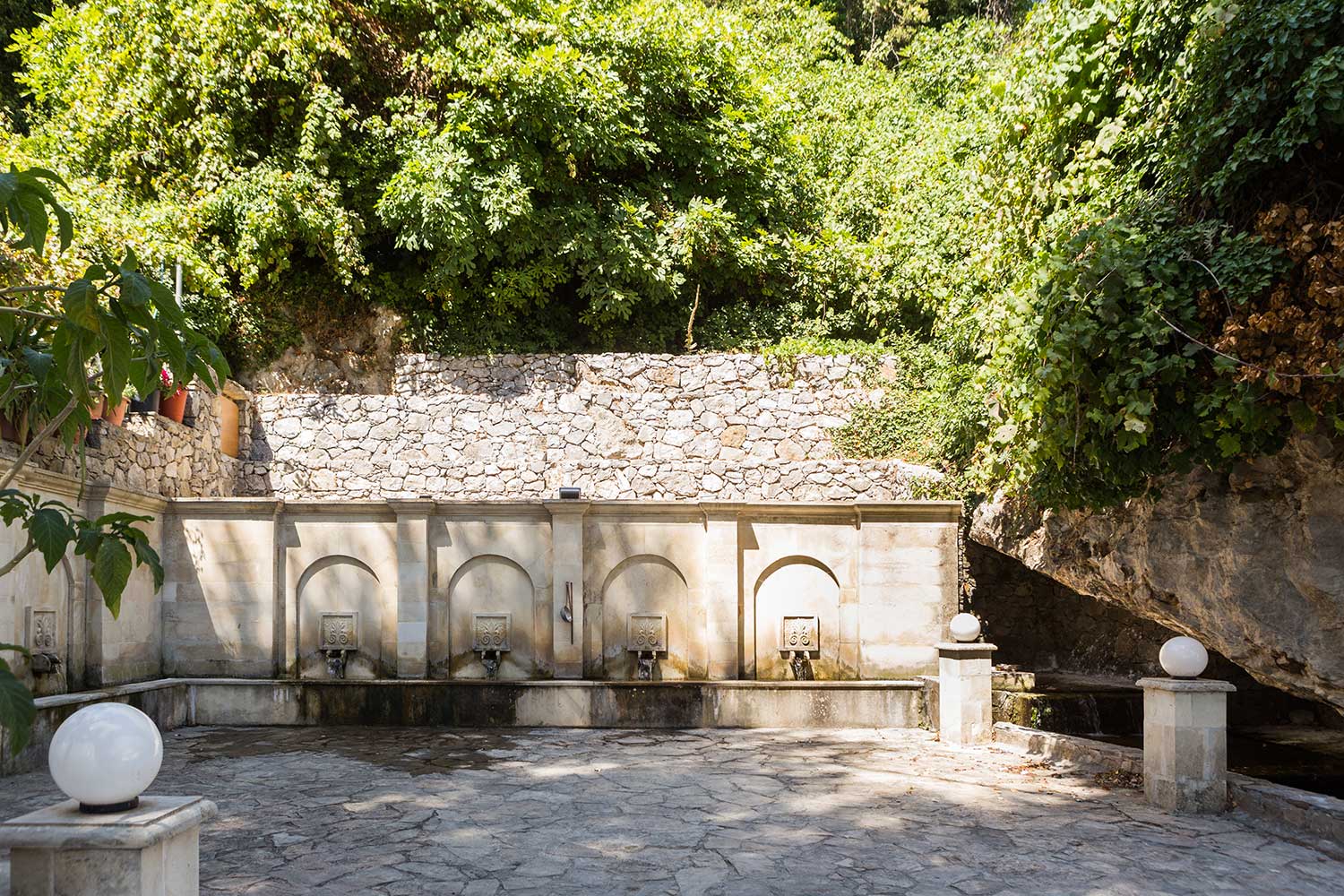
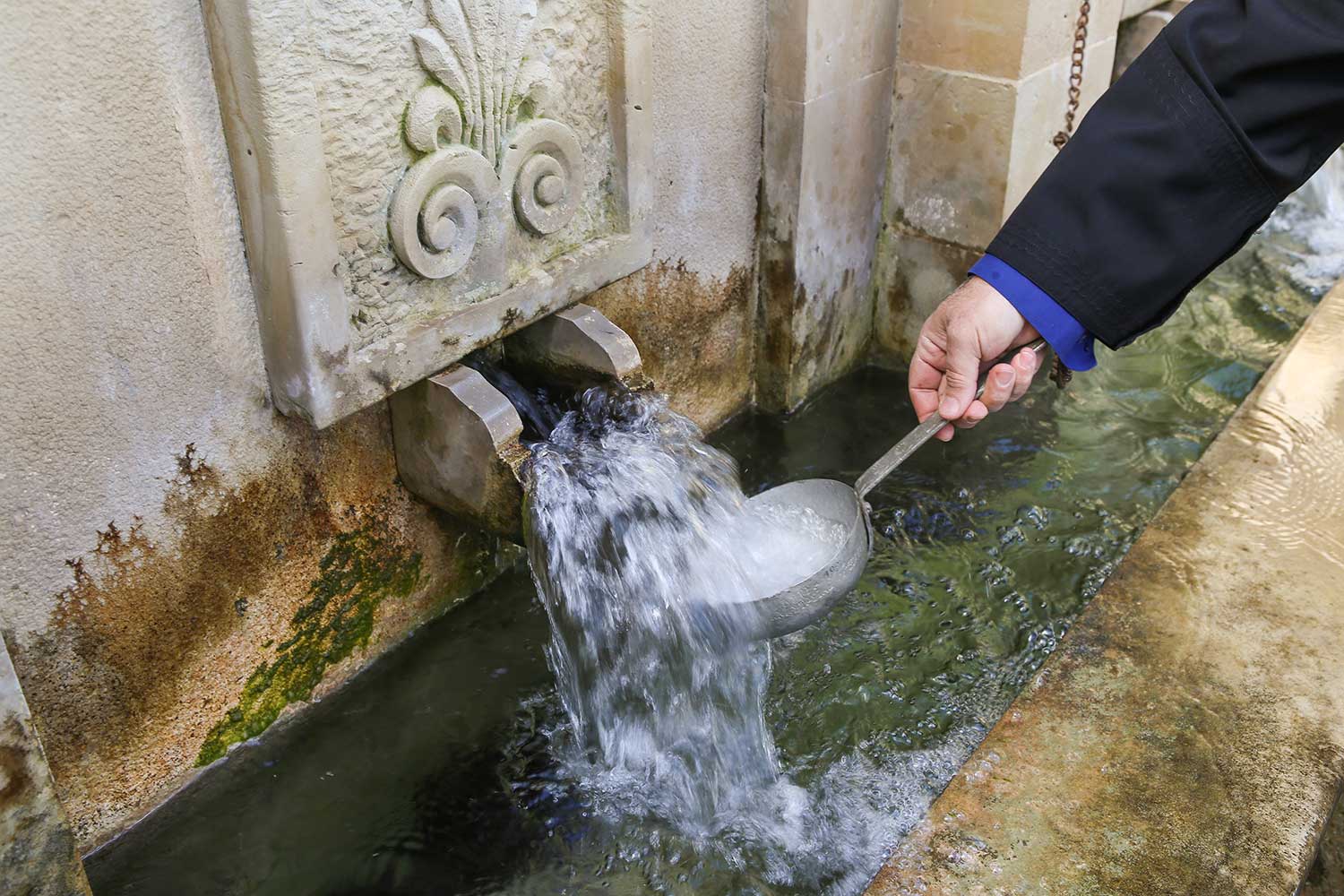
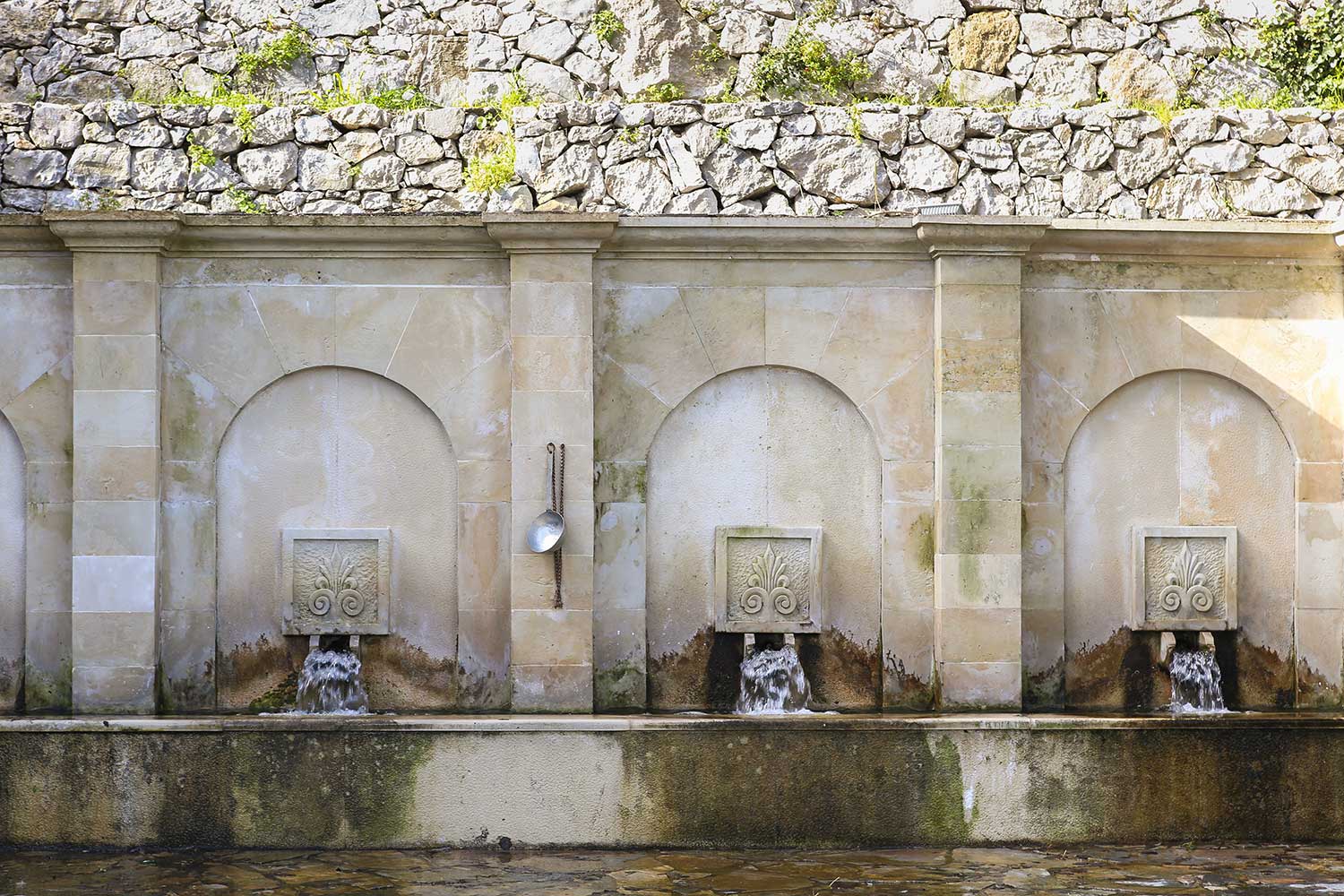
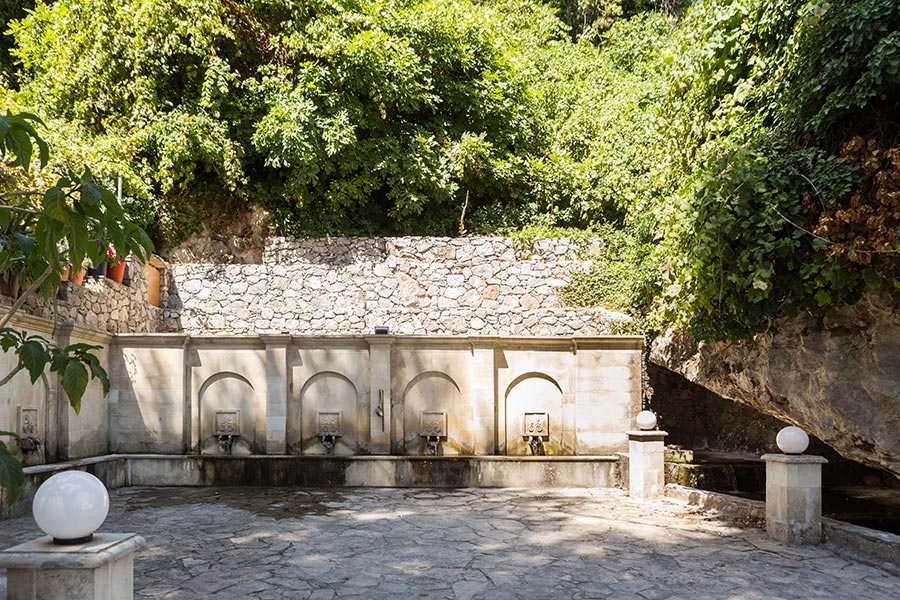
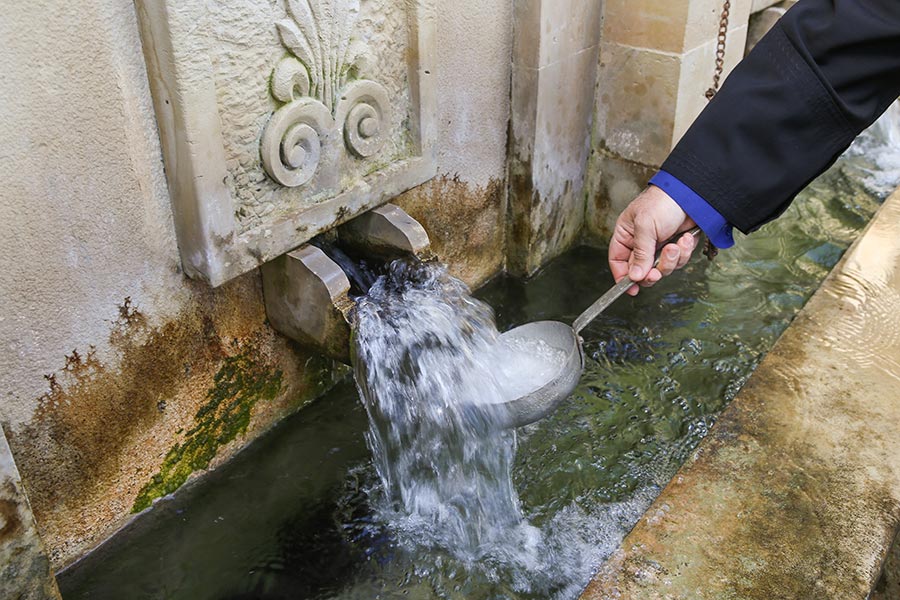
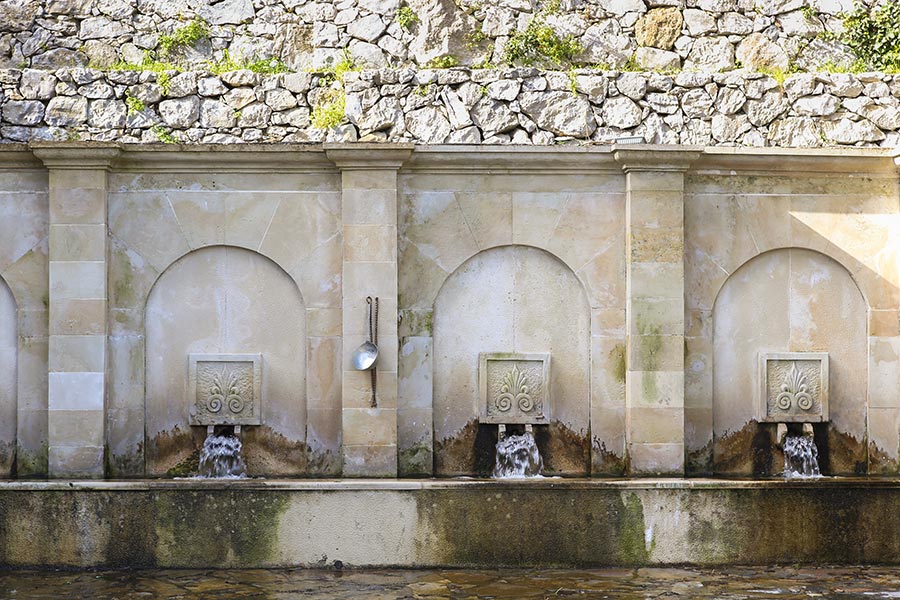
Abundant spring waters coming from the surrounding mountains, were always offering water to the village. There are two fountains, the one in the upper village and the second one in the lower, which gush out unceasingly, throughout the year and cool the passers-by and animals off.
Many houses follow the traditional architecture with venetian elements; they also have vineyards and buganvilias to “adorn” their walls while fruit trees on the streets, make a call to passers-by to stop by and taste them.
Open Market
Every day, there are many vendors that are passing by through the village with their vehicle full of goods; traditional bread, cheese and cured meat products, fresh vegetables and fish, sweets, jams and many more! Meronas has a long culinary tradition and is proud for many recipes always with fresh local raw materials.
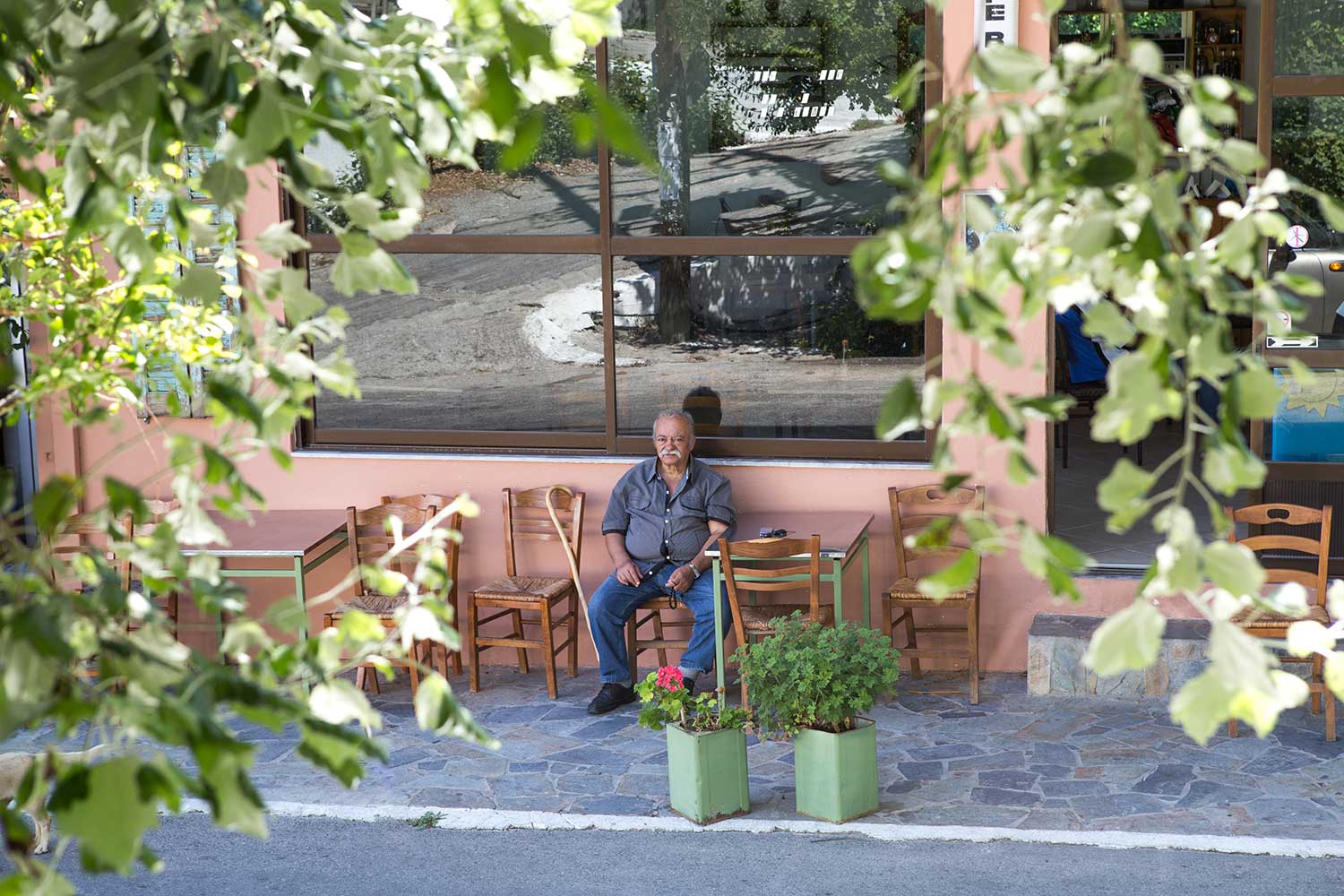
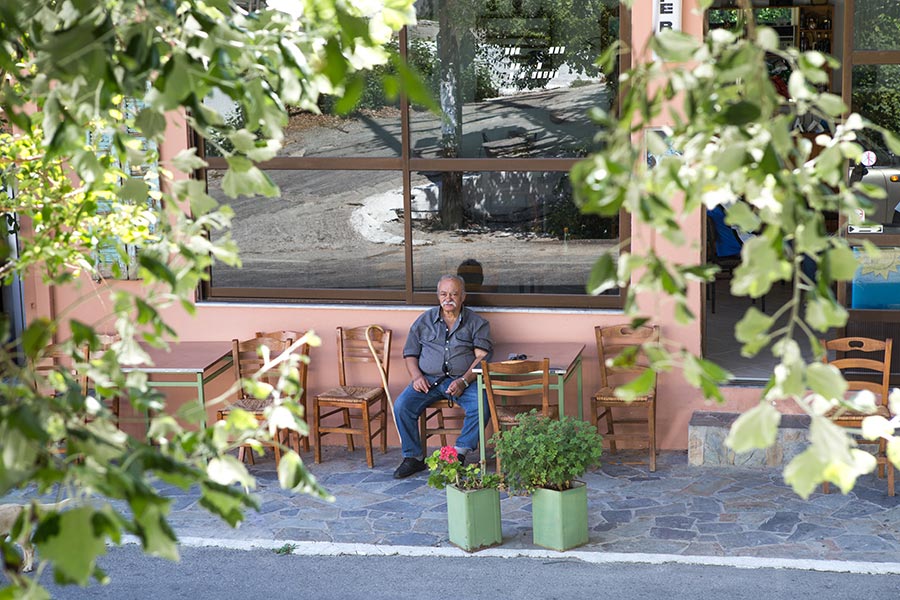
In Meronas, there are many traditional coffee shops (kafeneia) and tavernas, where very often small celebrations take place spontaneously with young and old people singing and playing Cretan music with traditional Cretan instruments.
Meronas’ Cultural Association is very active and revives throughout the year local customs and traditions open to everyone who wants to be part of them; Christmas and New Year’s carols, Clean Monday (Ash Monday), kantades, traditional feasts (panigyria), etc.
Distances from Meronas
Amari Valley
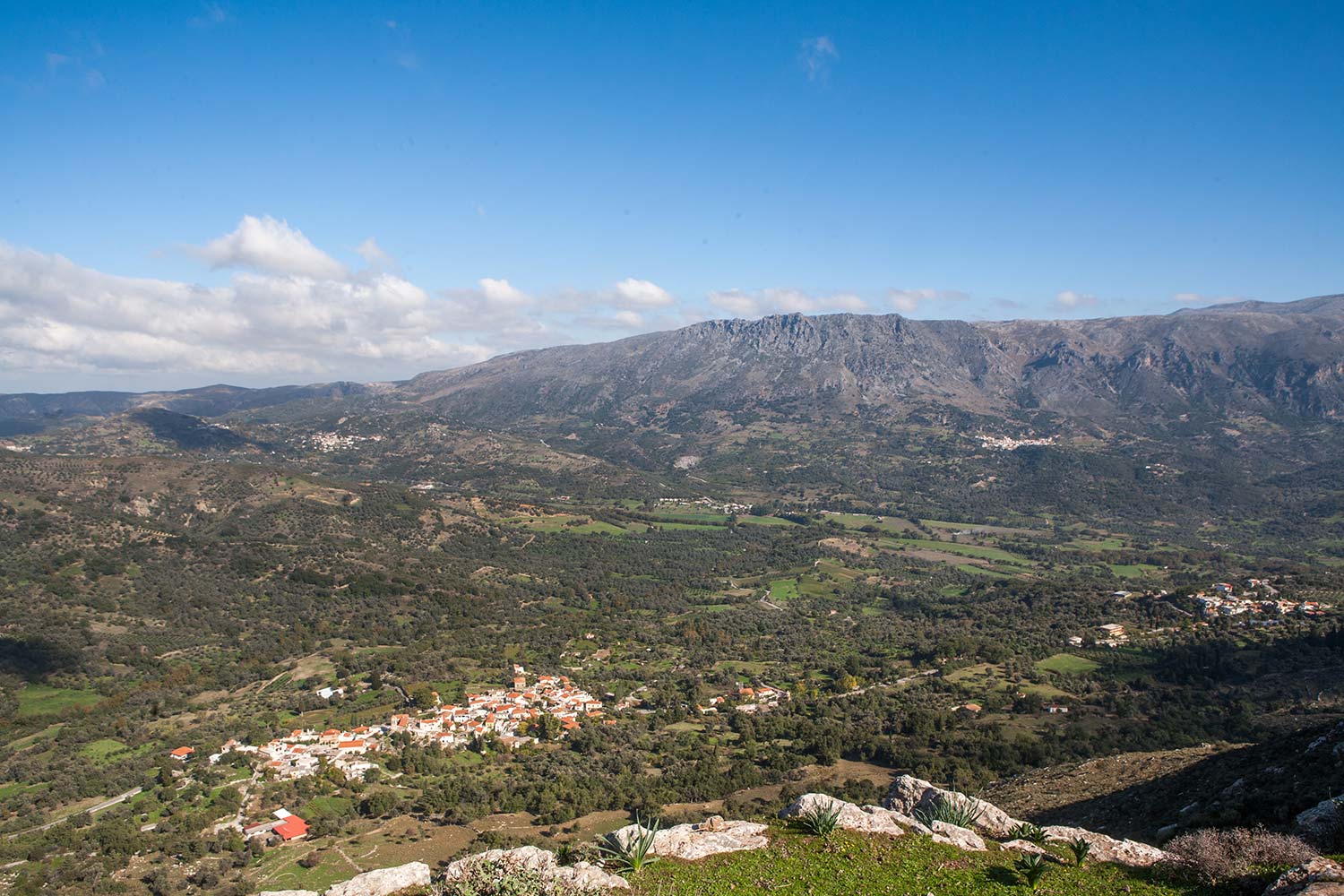
The Amari Valley is an area of great importance in terms of geology, uniqueness and beauty.
It is part of Psiloritis Geopark, also part of the UNESCO World Geopark Network.
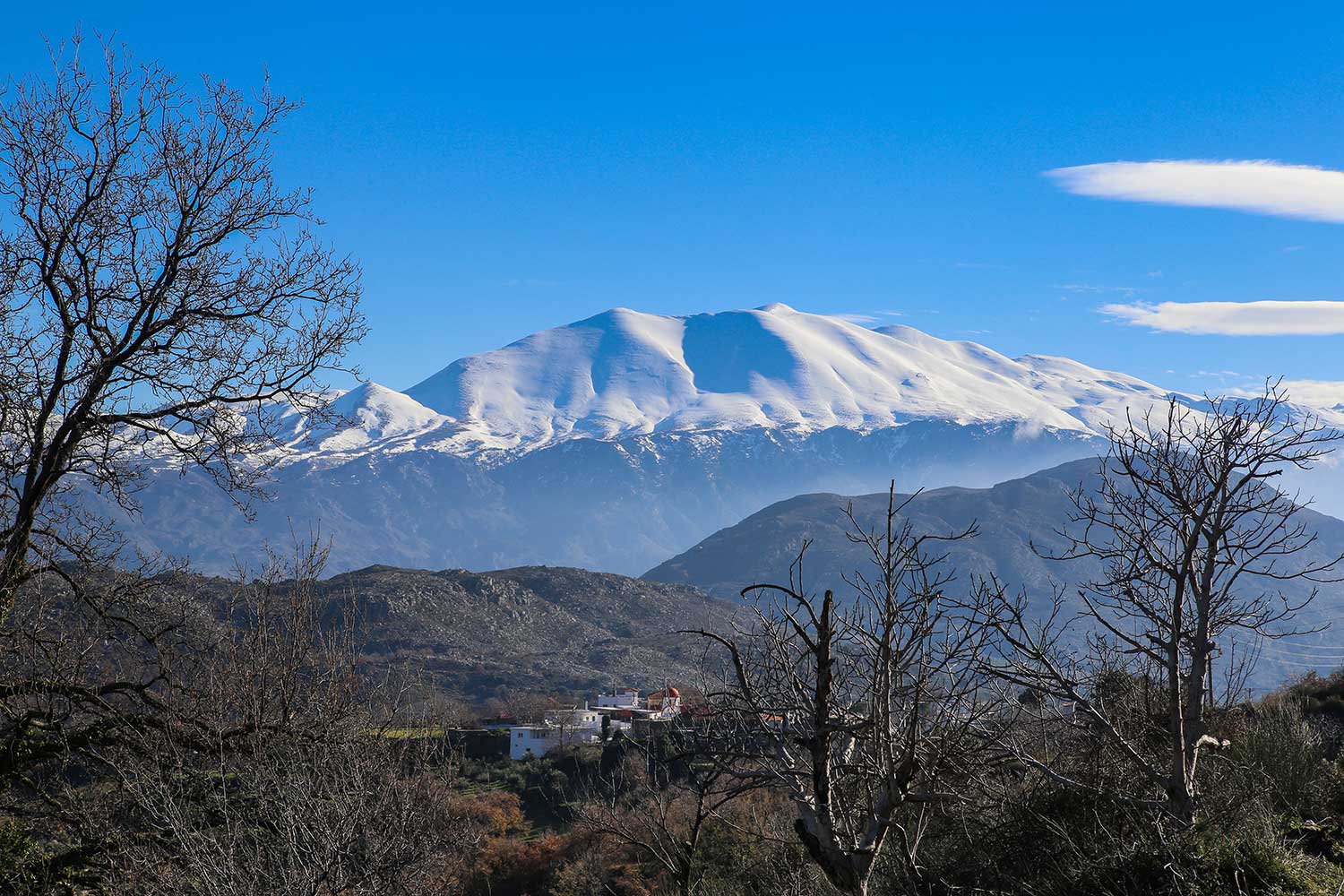
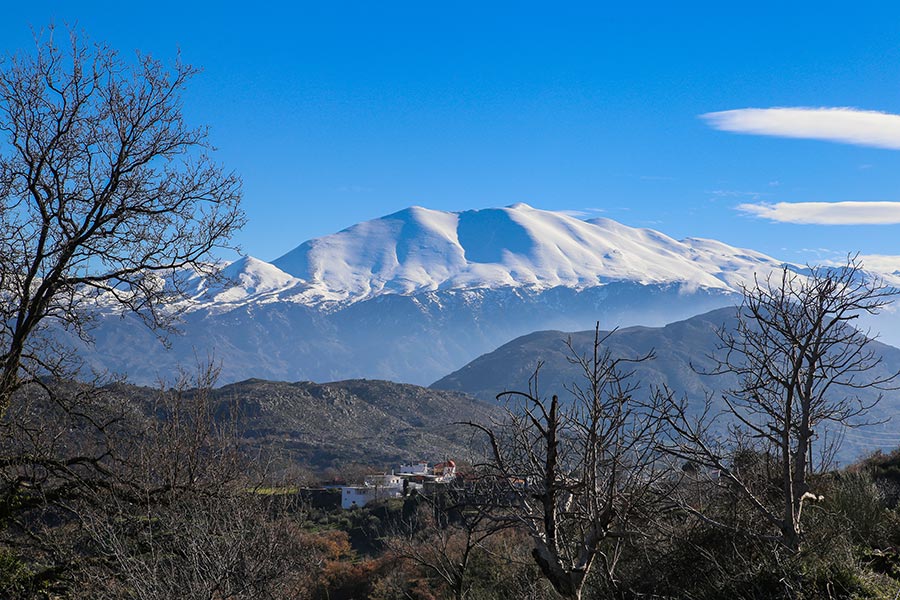
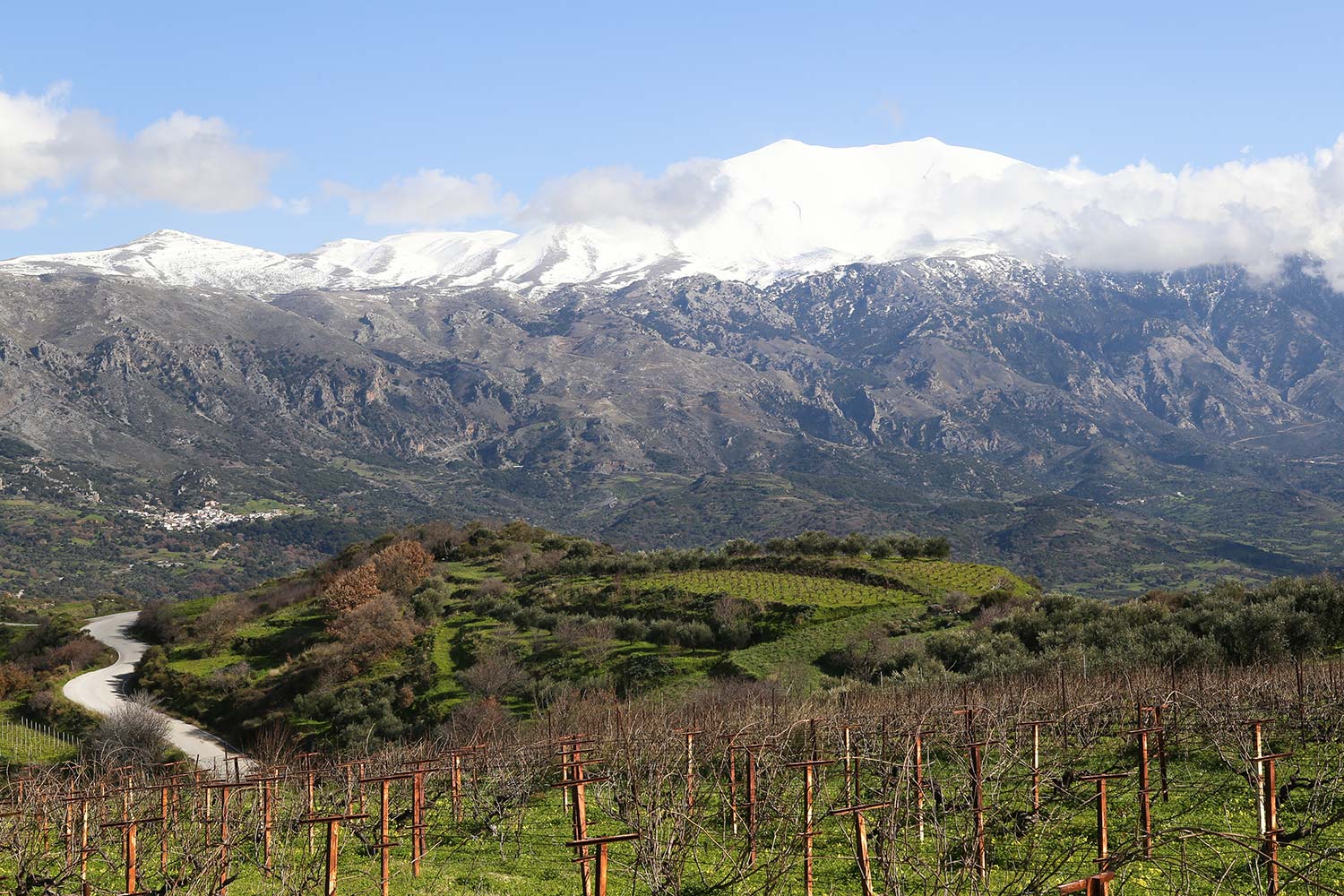
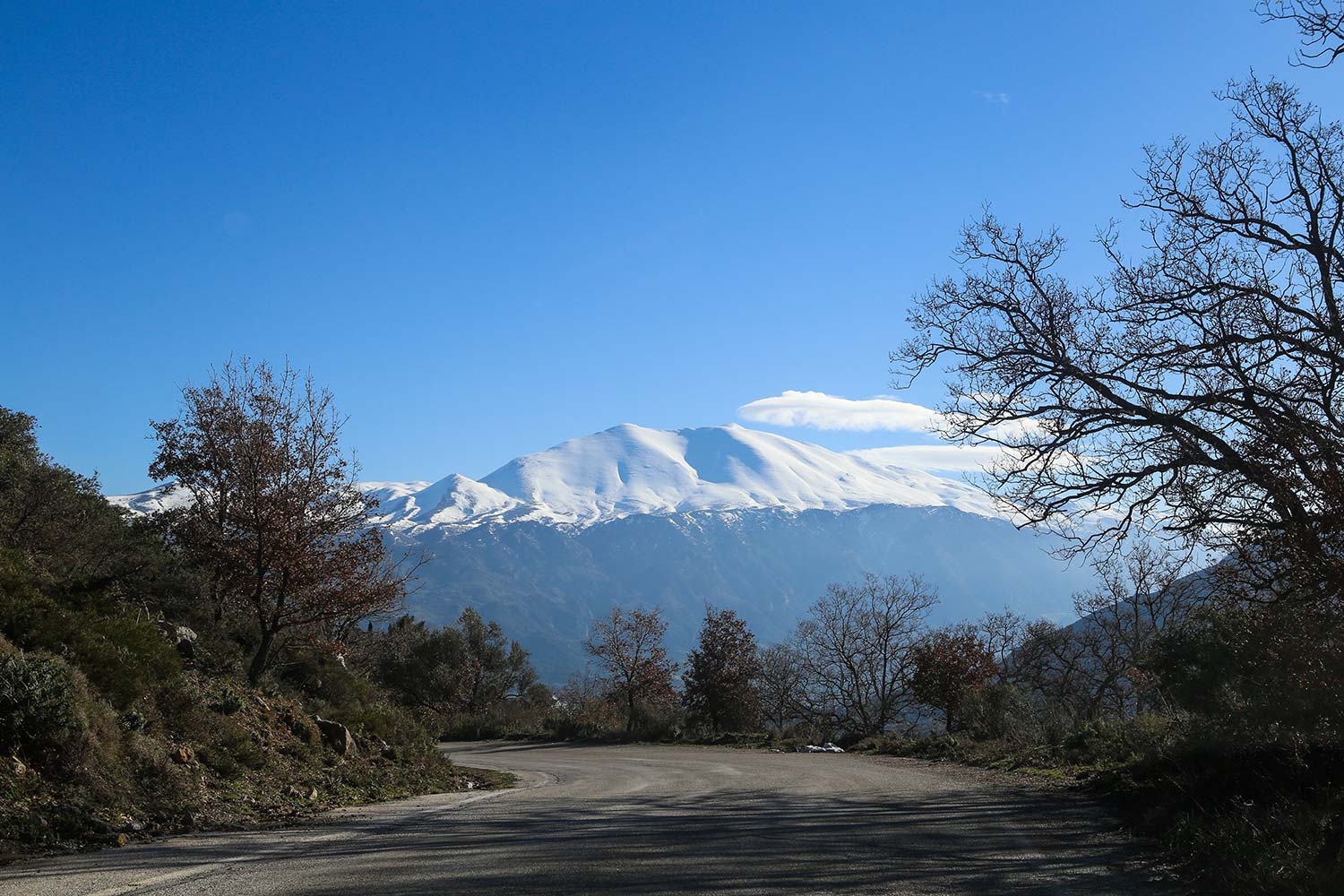
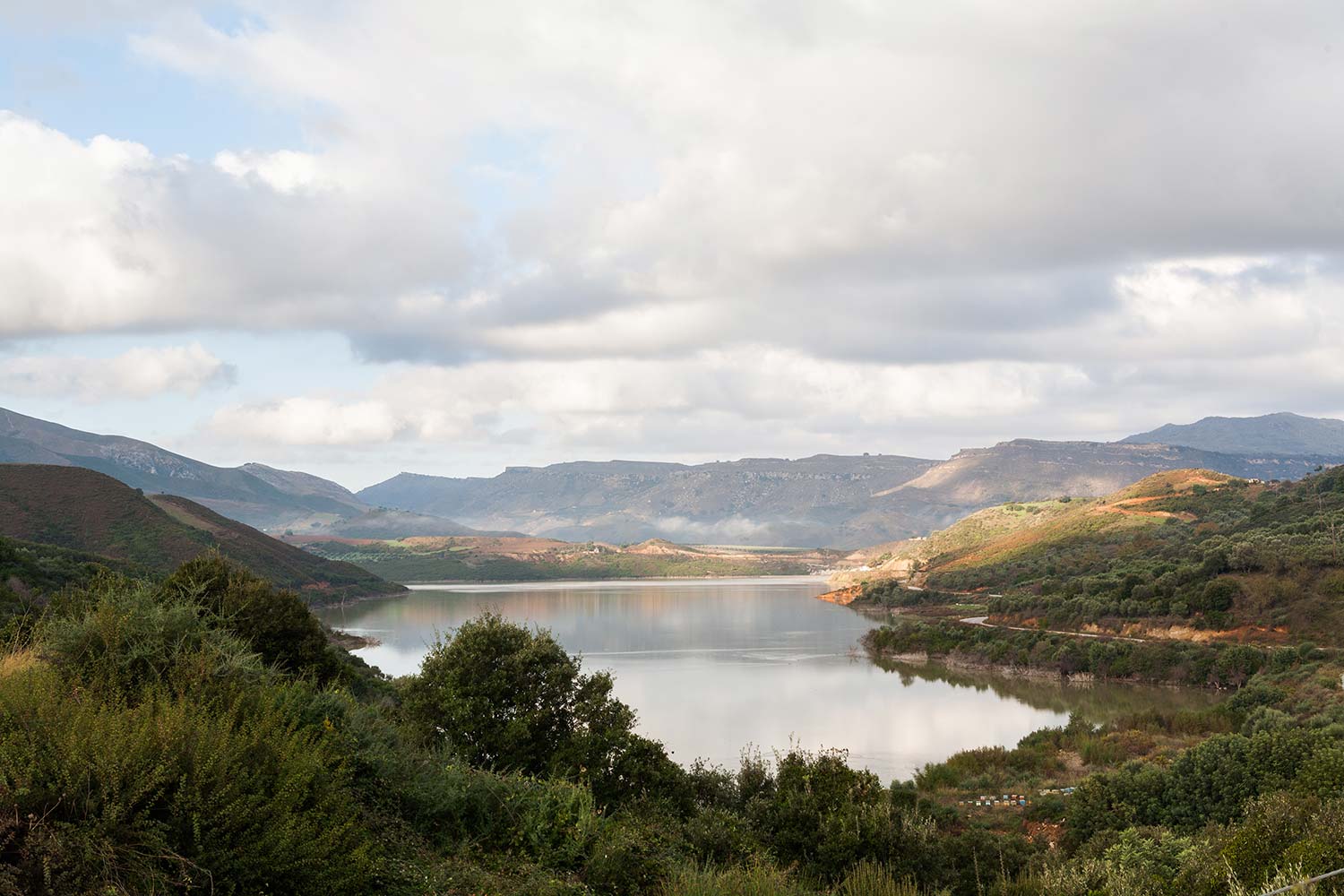
Amari lies in the heart of Crete, in the south and east of Rethymnon prefecture. A group of small, traditional, picturesque villages enjoy the beauty of its green, fertile valley; as watchful guards stand the surrounding mountains of Kentros, Samitos and, of course, Psiloritis (Iti).
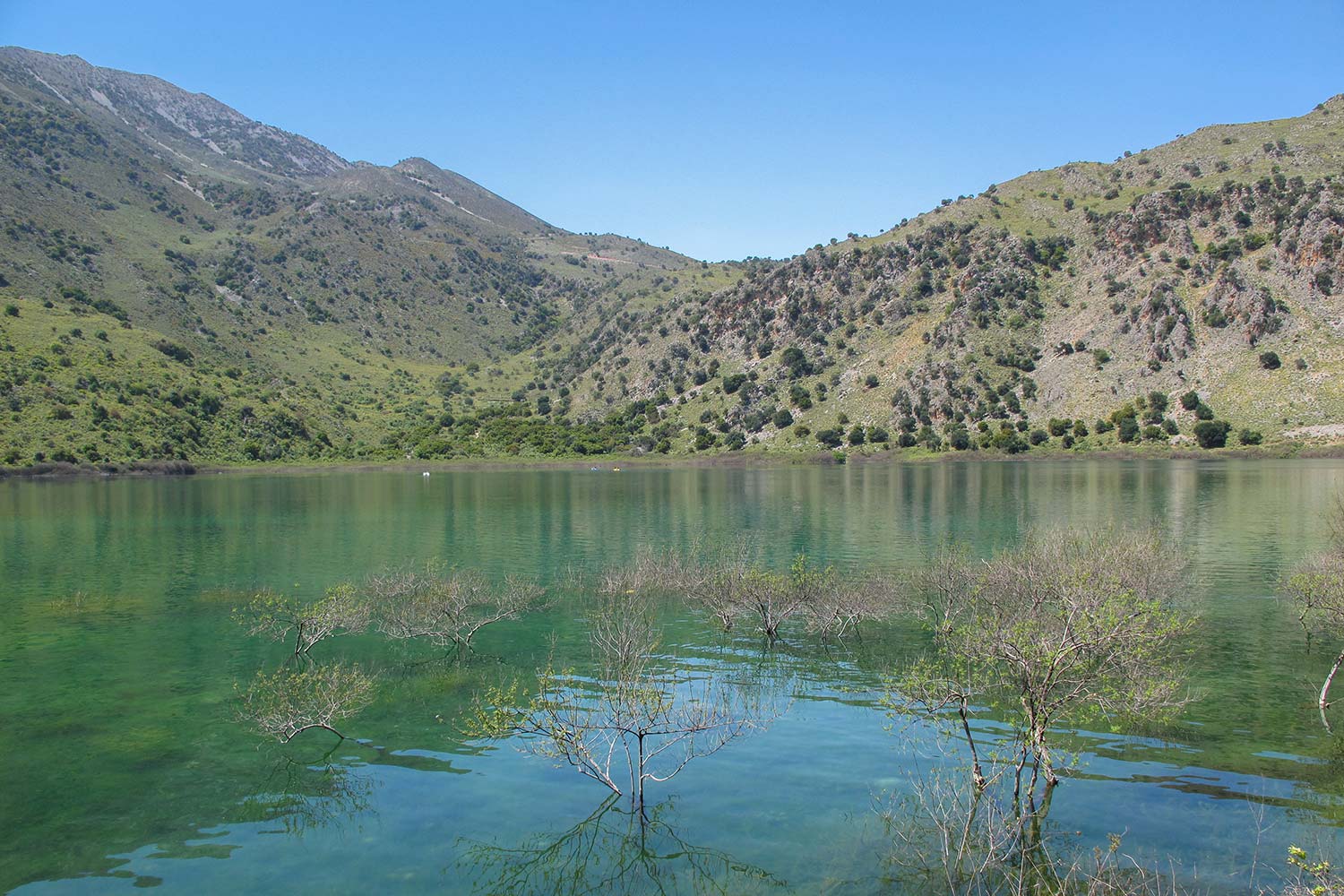
Its nature is untouched, with great changing scenery; sometimes it is wild and mountainous and sometimes is tranquil and calm.
The constant flow of the springs’ water maintain the green all year round; the olive trees form a unique canvas, together with the different kinds of fruit trees, plants and flowers. Signed footpaths lead to pristine spots of natural beauty between hills, waterfalls, springs, mountainous meadows, etc.
The Valley of Amari is steeped in myth and legend. The glory and renowned of Amari’s past prominence is attested in a large number of findings that the excavations brought to light. Important cultural monuments “adorn” the area, such as the Minoan settlement in the nearby village of Monastiraki, the ancient Minoan town of Syvritos, that you will find in a short distance, as well as the numerous Byzantine churches, scattered all over the valley of Amari.
The inhabitants of Amari villages are famous all over Crete for their hospitality and their exceptional local character as well as their deeply rooted traditions.
Rethymno
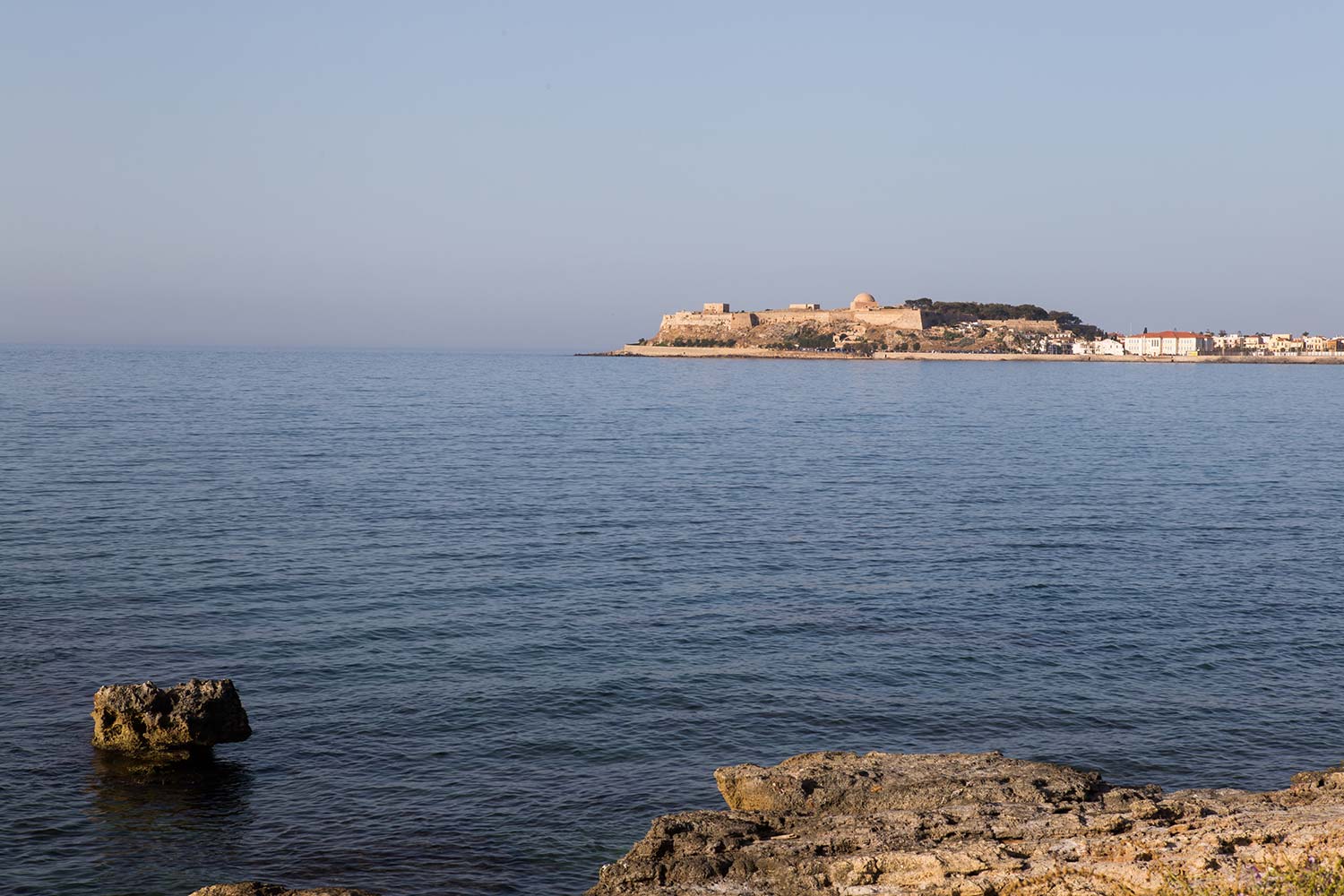
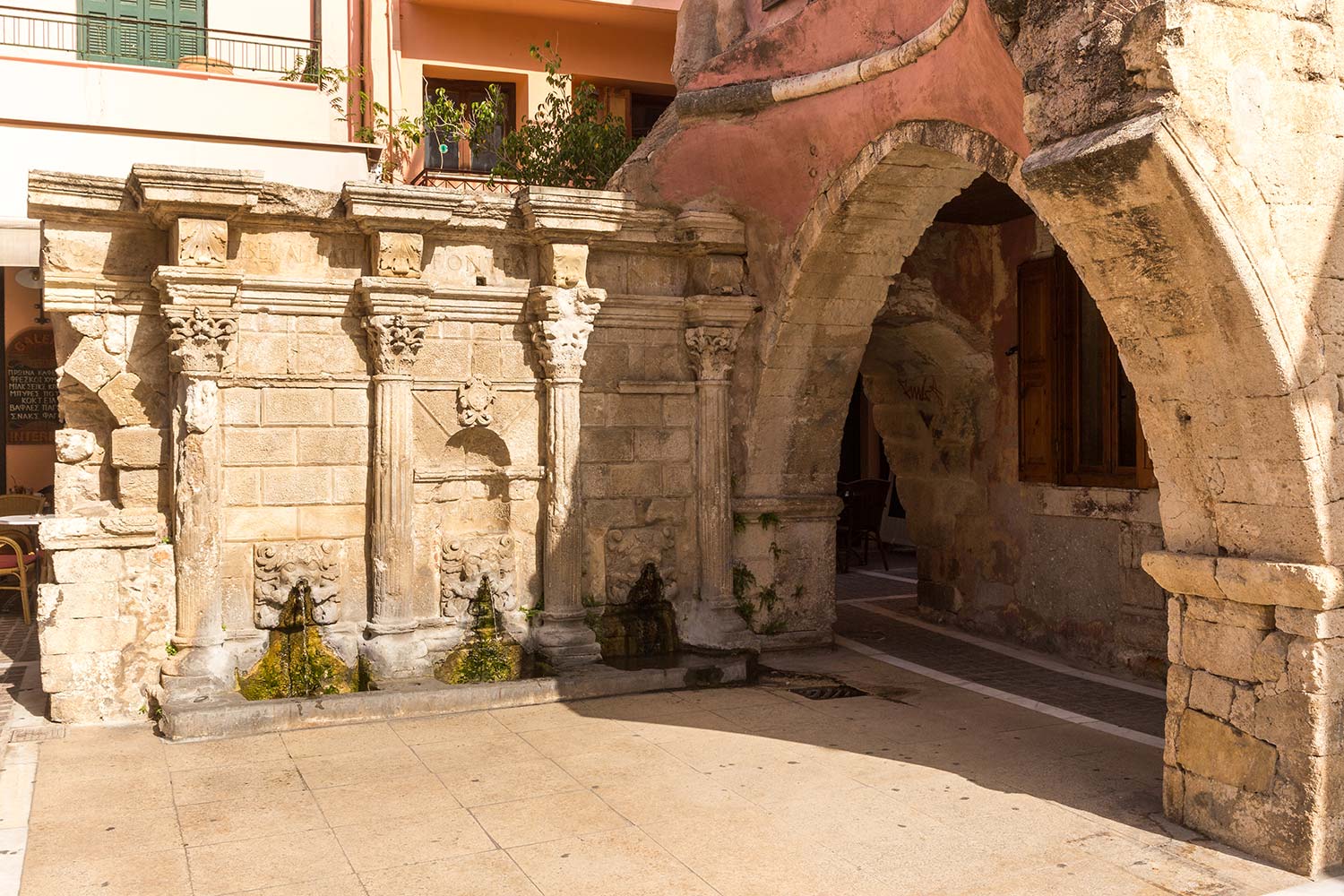
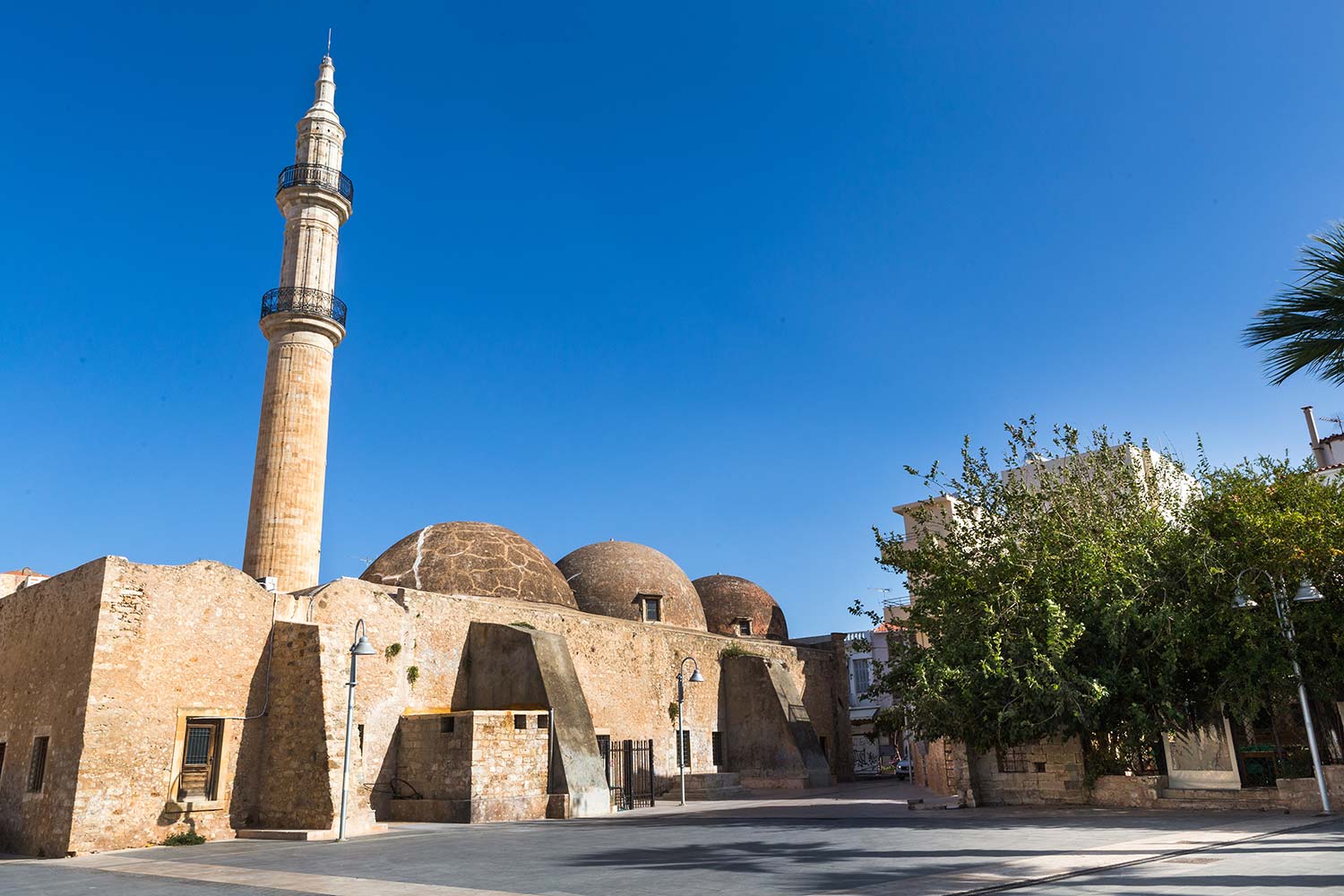
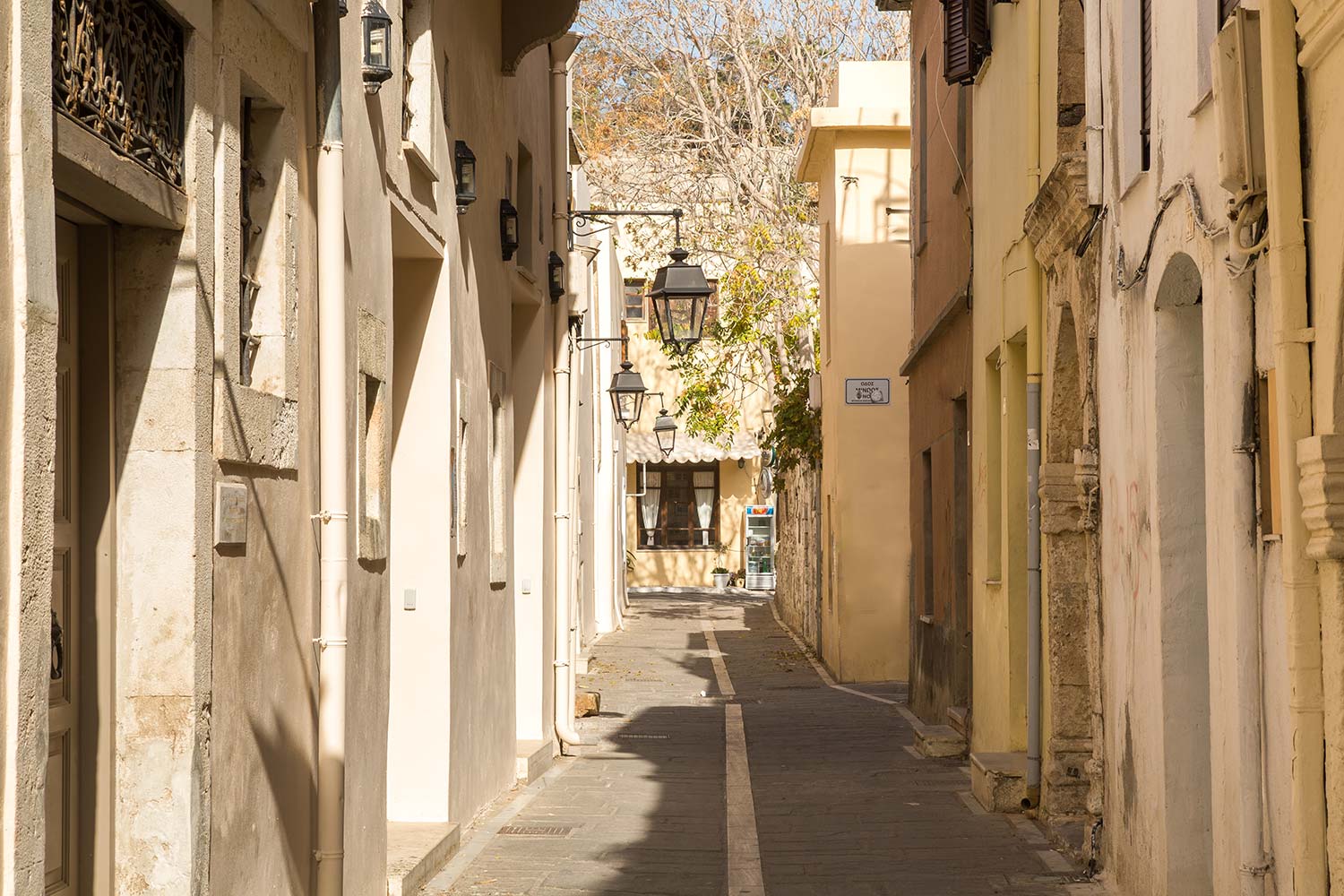
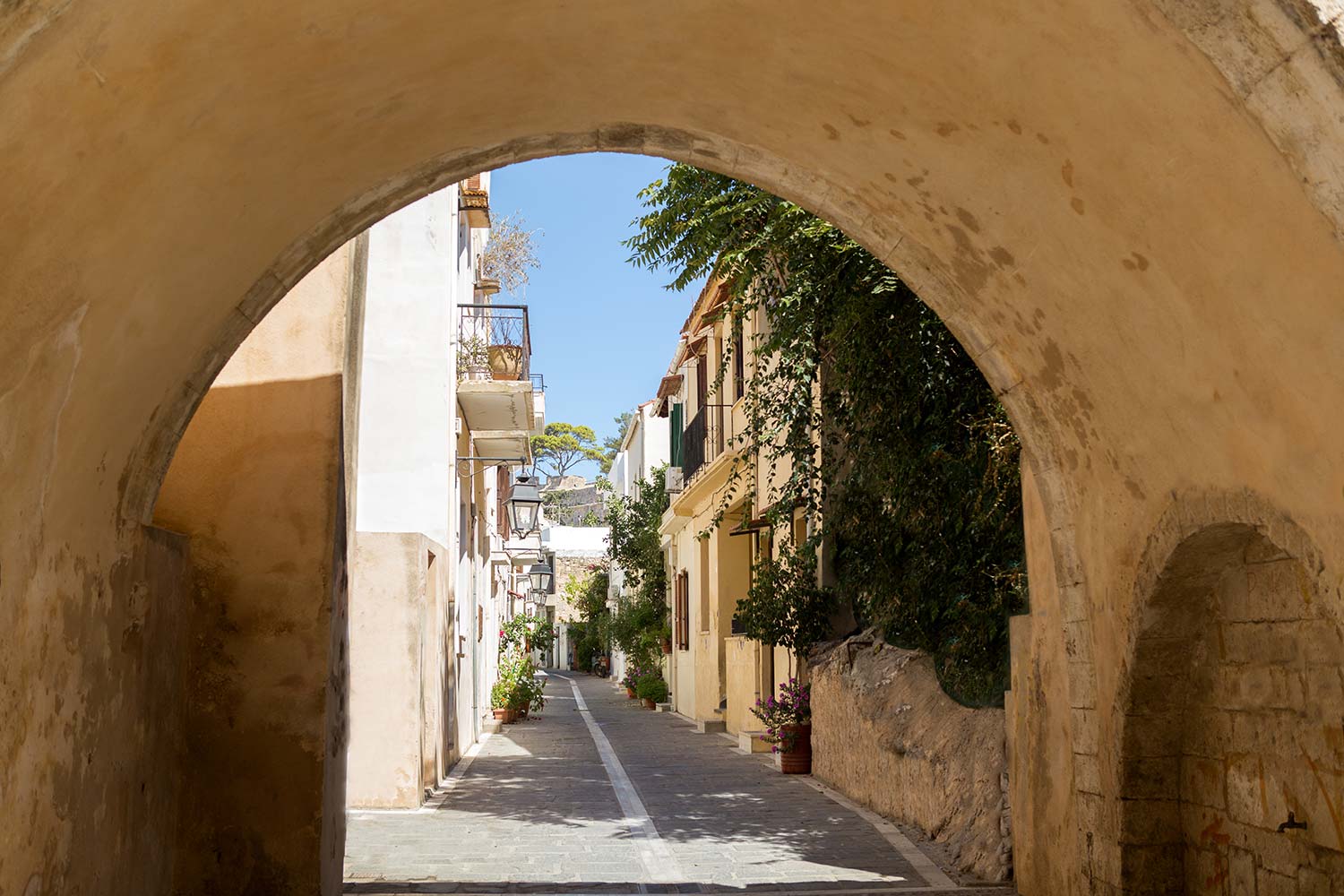
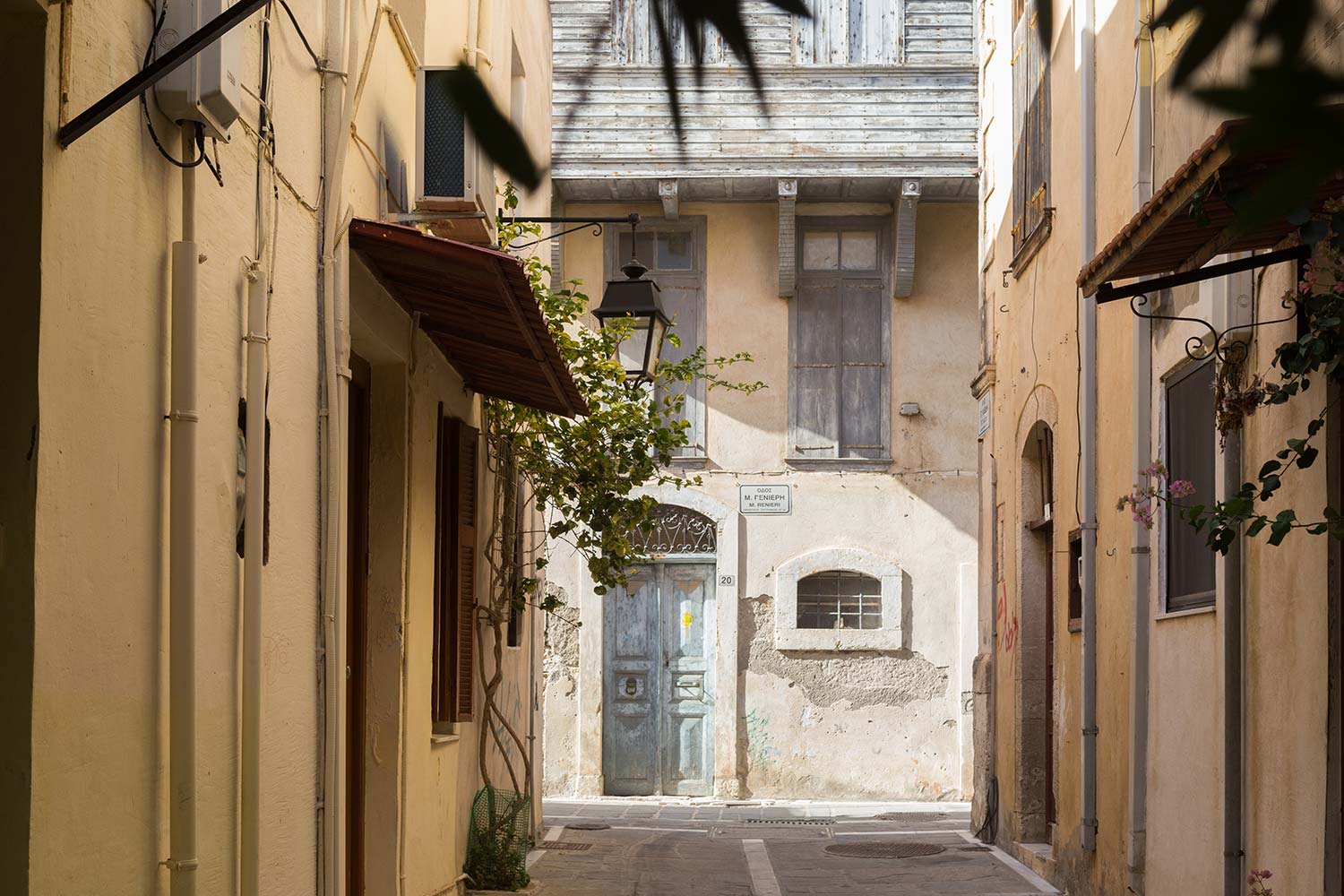
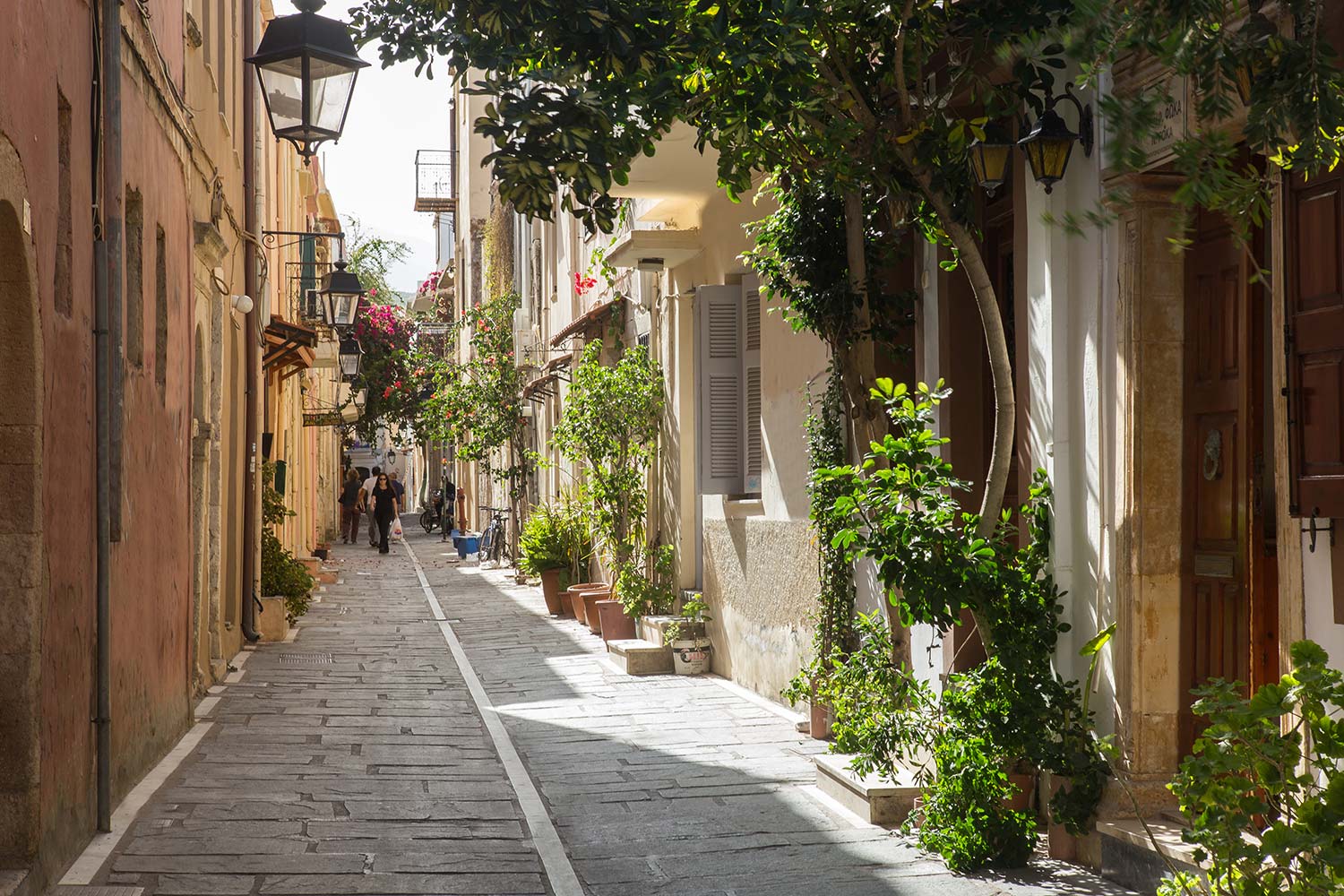
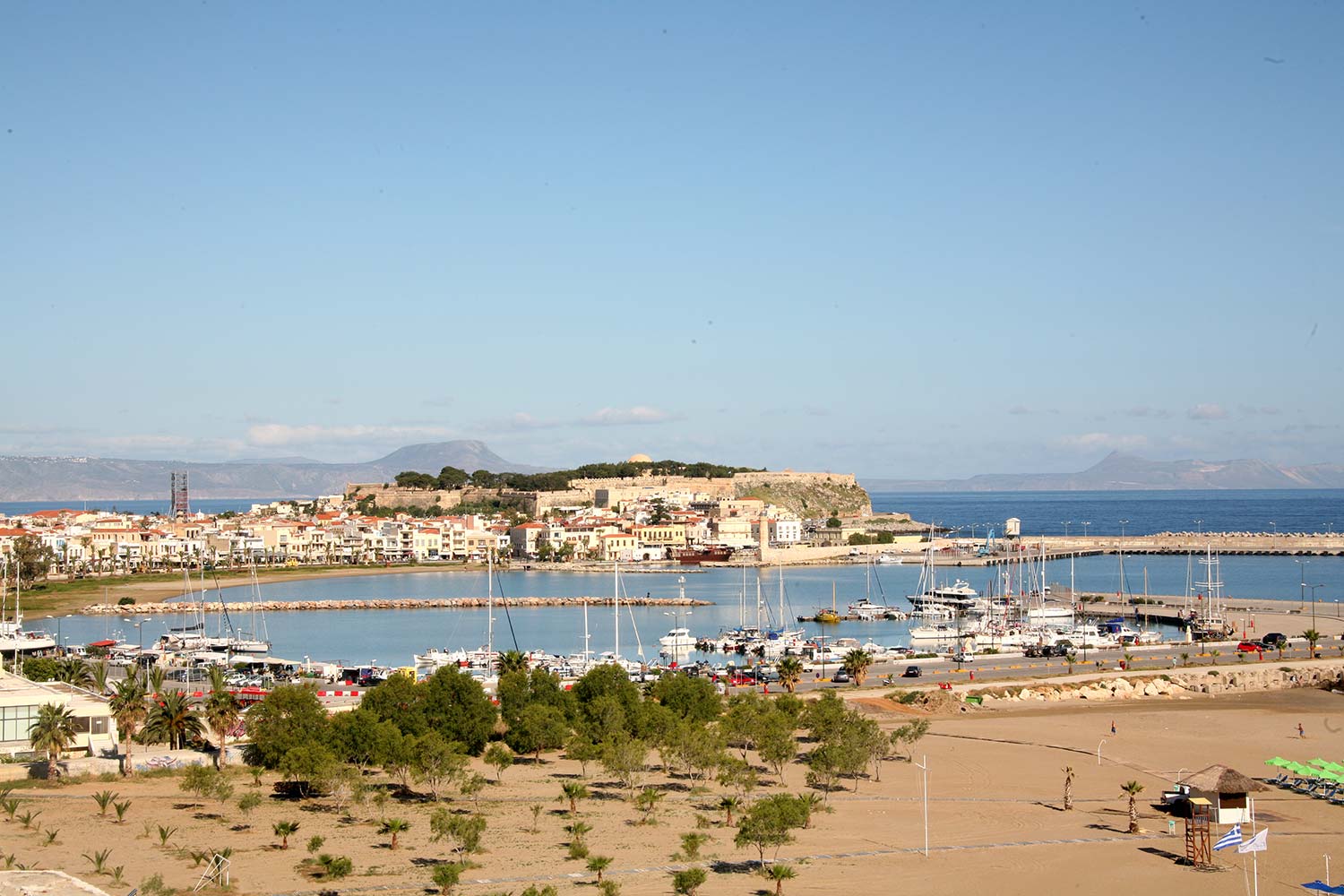
Rethymno is situated on the north coast of Crete. The city is inhabited since 1600 BC; its history and cultural identity has been influenced from the Turkish, Arabic and Venetian domination. A visit in the historic center offers the ascertainment that Rethymno is a multicultural, colourful and well-preserved city.
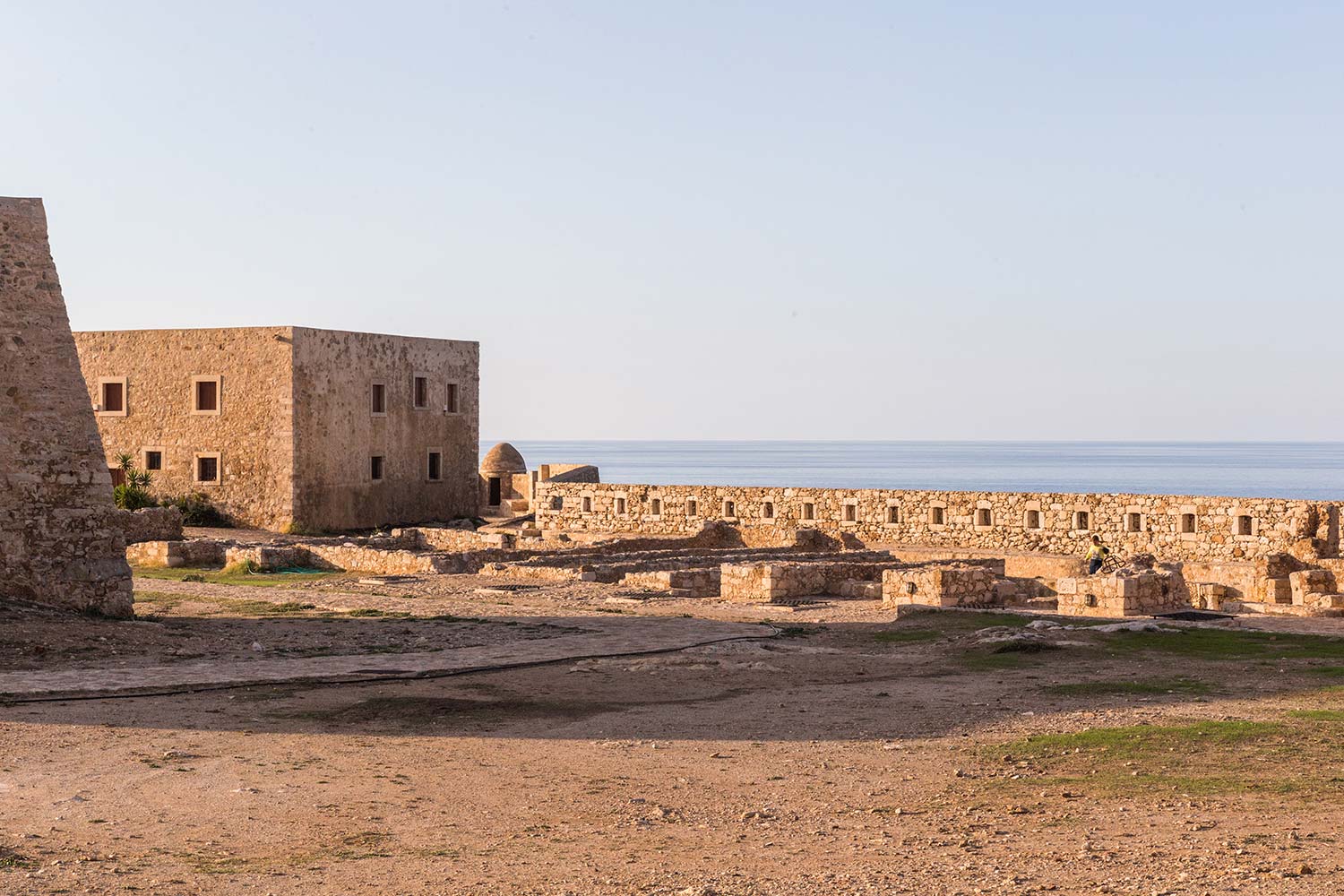
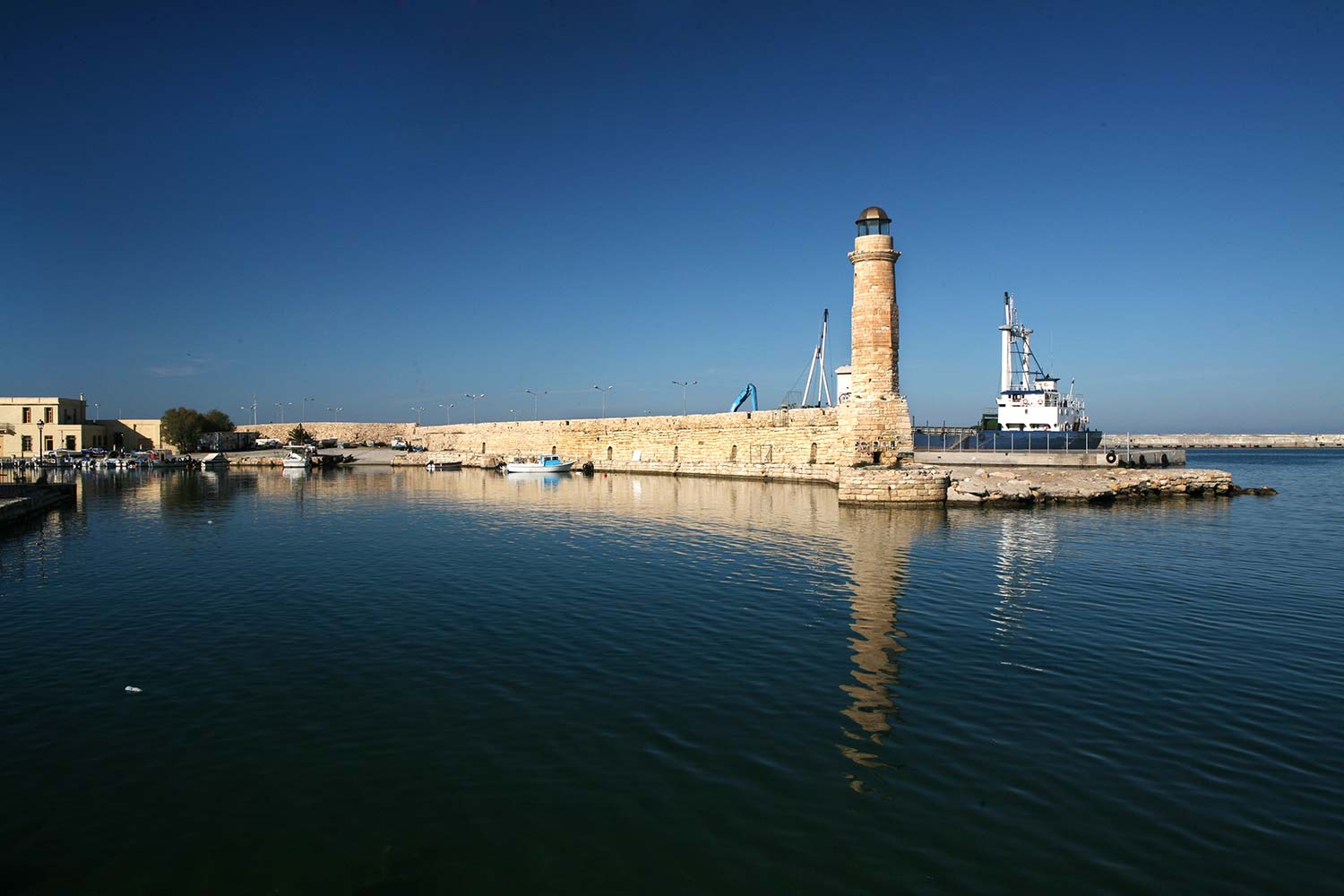
Starting from the Old Town, one of the best-preserved cities of the Renaissance that is located in the heart of modern Rethymno, you will admire the oriental characteristics of the Turkish period as well as the Renaissance-style Venetian architecture. Meeting the small harbour in the Old Town, you will be impressed of the 13th-century Venetian mole which was used as its protection. This is the ideal starting-point for a visit to the Fortezza, the Venetian fortress of Rethymno (16th century), that is located in the centre of the Old Town.
Rethymno is a region with historical monasteries and cathedrals, beautiful museums, amazing streets, shops and architecture. Its quiet, idyllic villages as well as its long, sandy beaches offer some trouble-free moments, inviting visitors to come back again and again.
Crete
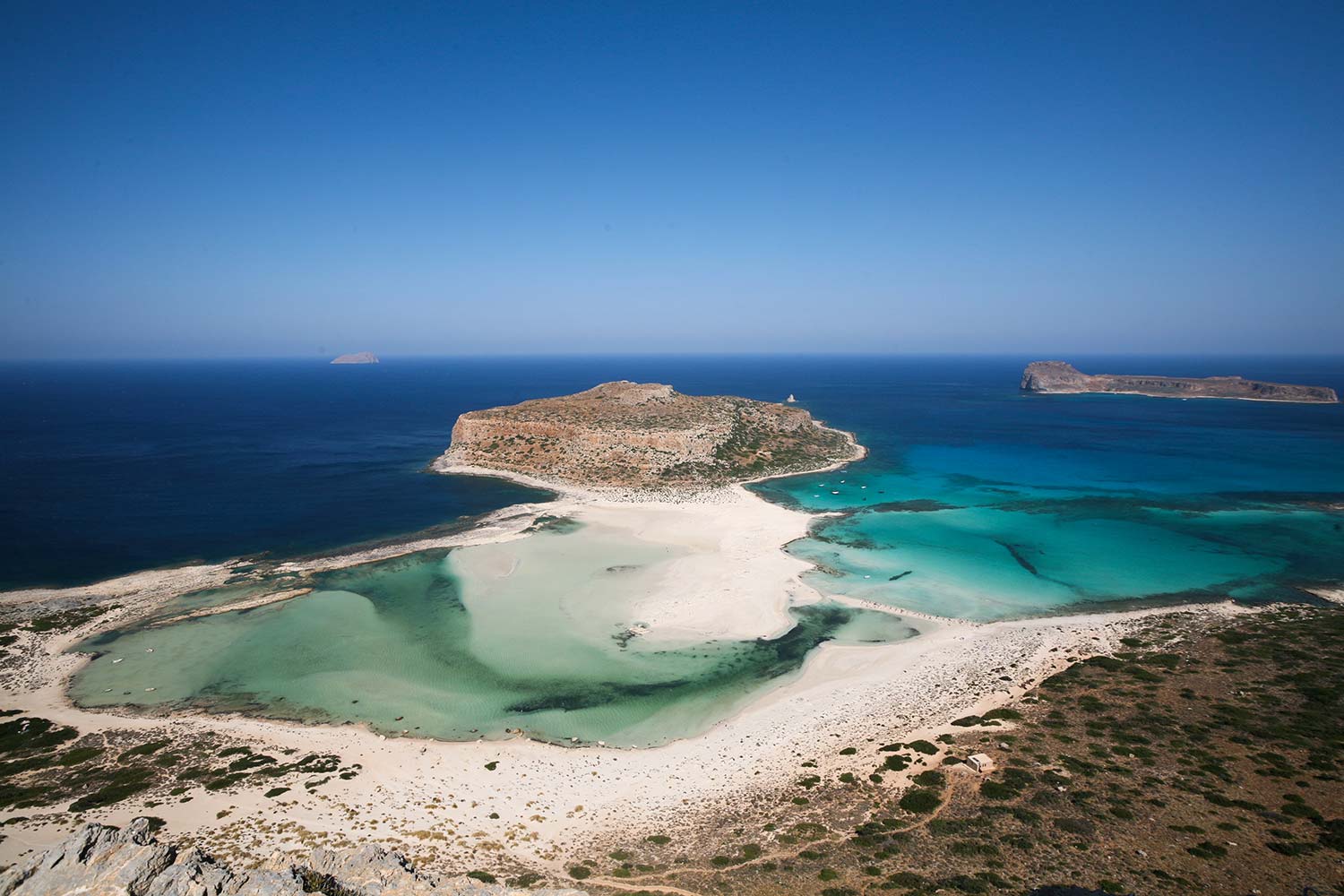
The birthplace of both the king of the Olympian gods and the western civilization.
The legendary Crete, is one of the largest Mediterranean islands.
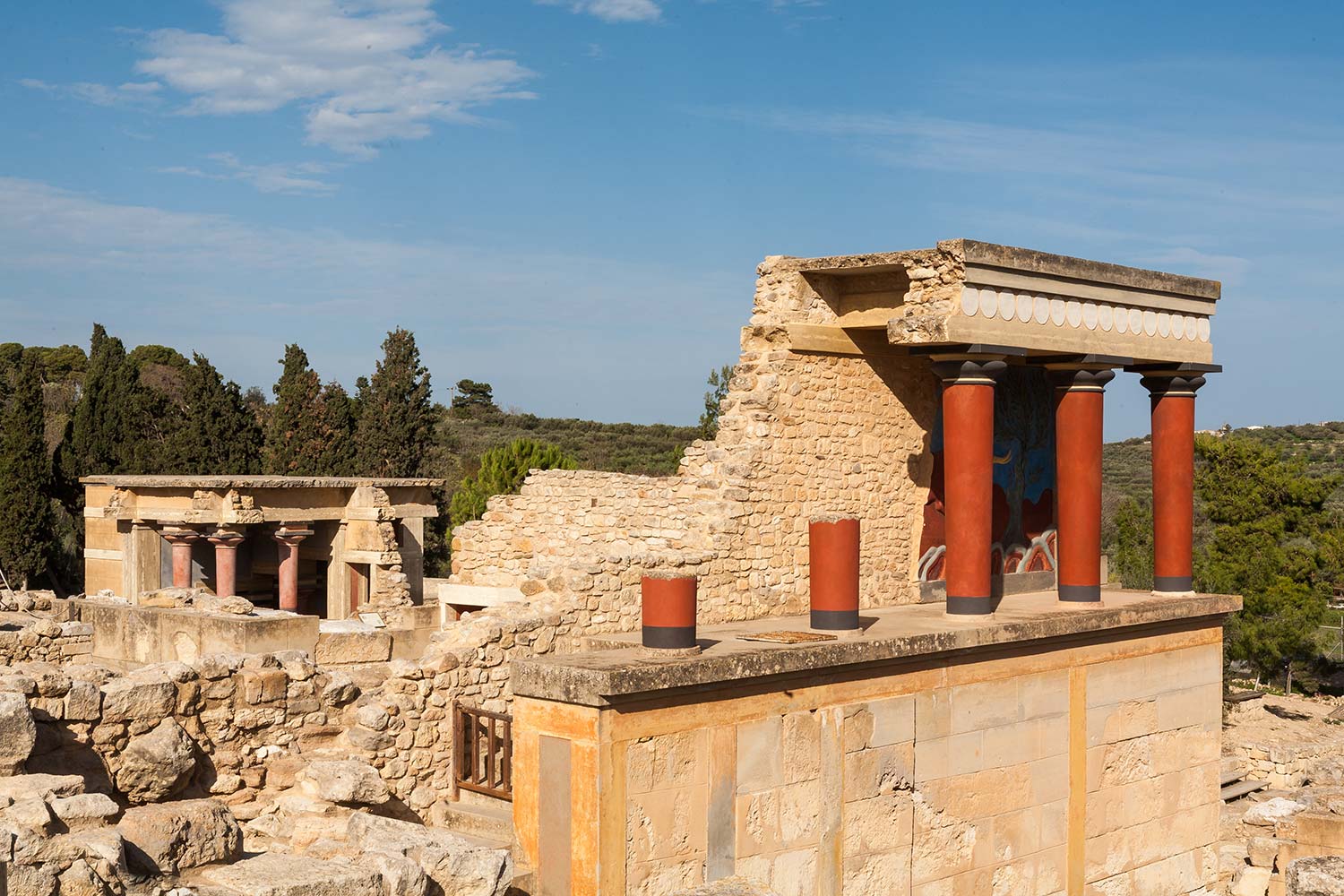
Unique archaeological sites and temples will bring the Minoan myth to life and will offer you lifetime memories.
How to get to Crete
There are multiple options of getting to Crete and Villa Angelica from Europe and the mainland by sea and.
2 Airports, both welcoming daily flights from Athens and Thessaloniki all year round, as well as numerous flights from all main European airports from March to November.
- Heraklion International “Nikos Kazantzakis”
- Airport & Chania International “Daskalogiannis” Airport
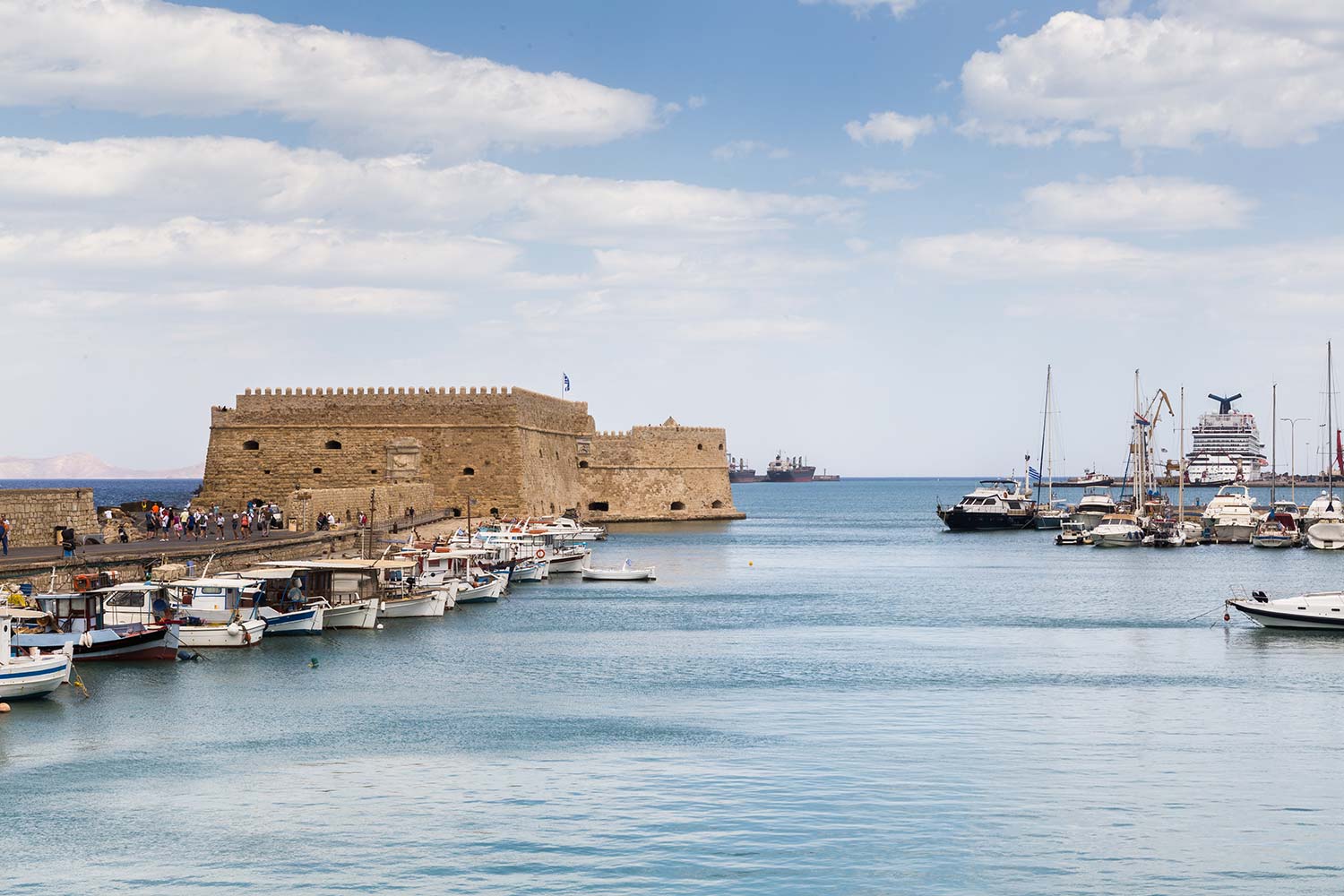
2 Harbours, both connecting Crete to the mainland (Pireaus) all year round, as well as numerous Greek islands (Santorini, Mykonos, Rhodes and more) during the summer
- Heraklio’s city port
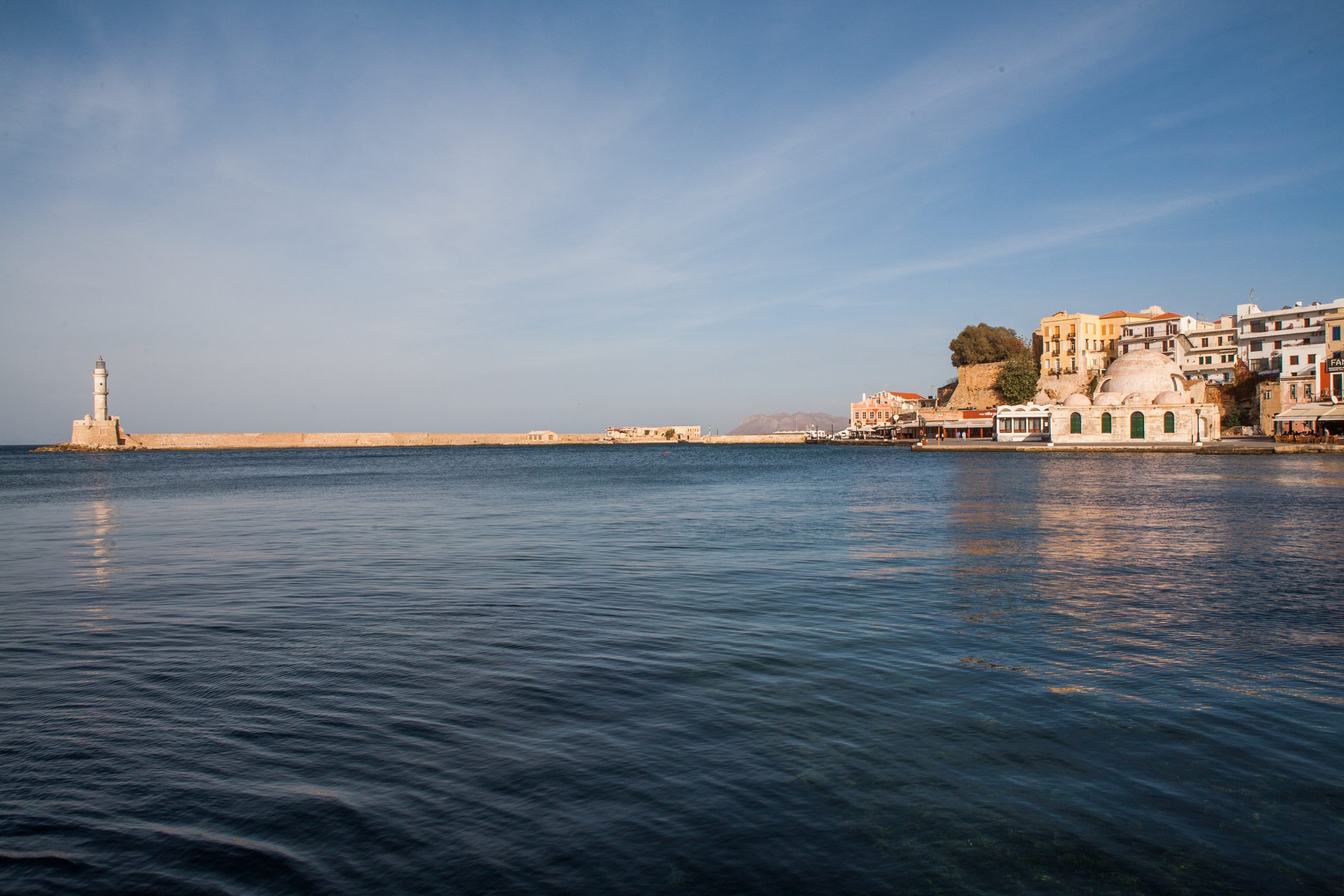
- Chania’s port of Souda

Quicklinks
Newsletter
Subscribe
and keep up to date with latest news, behind the scenes, exclusive offers and more
Villa Angelica © 2020 | GDPR | Impressum | Social Responsibility